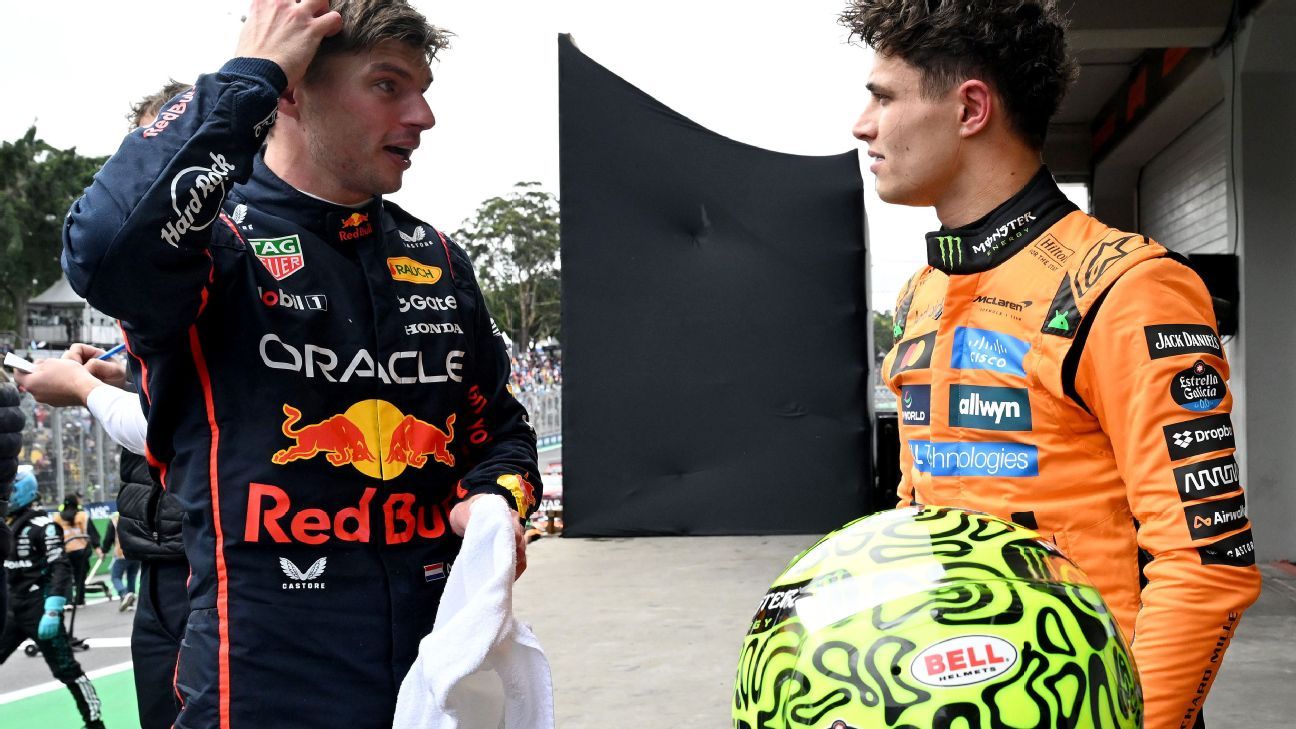
Verstappen’s Interlagos Charge: Red Bull’s Bold Strategy and a Return to Form
Max Verstappen delivered a stunning recovery drive at the São Paulo Grand Prix, battling back from a pit lane start to finish third. This performance, echoing his remarkable win from 17th place in last year’s rain-soaked race at Interlagos, highlighted both Verstappen’s exceptional talent and a notable turnaround for Red Bull Racing.But what sparked this change? And what does it say about the team’s approach under new leadership?
A Qualifying Disaster & A Calculated risk
The weekend began with a shock. Verstappen was eliminated in Q1 – the first time he hadn’t made it past the first qualifying session on merit in his Formula 1 career,which began in 2015. Teammate Yuki Tsunoda also failed to advance, marking Red Bull’s first double Q1 exit as 2006.
This wasn’t a case of simply lacking pace. Red Bull, lead by team principal Laura Mekies (who replaced Christian Horner in July), identified a fundamental issue with the car’s balance after the sprint race. They weren’t content with a potential P5 finish, even acknowledging Oscar Piastri’s crash inflated that position.
Rather, they took a calculated risk. Mekies explained the team attempted a significant setup change before qualifying, hoping to unlock the car’s potential. It backfired, but Mekies defends the decision.”We take risks and if we don’t take that amount of risks we don’t think we’ll be able to win,” she stated.
The Turnaround: Driver Feedback & Aggressive Development
The key to Red Bull’s recovery wasn’t just Verstappen’s skill, but the team’s willingness to react decisively. Mekies credited Verstappen for a “sensational drive,” emphasizing the parallels to his 2023 Interlagos victory.
Hear’s what fueled the comeback:
* Driver Input: Verstappen’s feedback was crucial in diagnosing the car’s issues.
* bold Adjustments: Red Bull wasn’t afraid to make considerable changes, even if it meant risking further setbacks.
* Learning from Failure: The qualifying mistake provided valuable insights that informed their setup for the main race.
“The car was alive today,” Mekies said,indicating a significant enhancement in handling and performance. “That’s the most crucial thing.” She believes the car was capable of fighting for the win, a testament to the progress made after a difficult Saturday.
A Philosophy of Risk & Continuous Improvement
Mekies made it clear that Red Bull’s aggressive approach isn’t a one-off response to a bad qualifying session. It’s ingrained in the team’s DNA.
“We have taken a lot of these risks in the past few months,” she said. “I insist it is the way this team goes racing. That’s the spirit in our racing.”
This philosophy, while occasionally leading to setbacks, is driven by a relentless pursuit of performance. Red Bull believes that learning from failures – even painful ones – is essential for long-term success.As Mekies pointed out, “You learn a lot more in the dark moment of the qualifying last night, [more] than in any other moment.”
looking Ahead
Red Bull’s weekend in Brazil demonstrated a crucial point: even the most dominant teams face challenges. Their response – a willingness to take risks, listen to their driver, and learn from their mistakes – is what sets them apart. You can expect this aggressive, data-driven approach to continue as they strive to maintain their competitive edge in the remaining races of the season and beyond.
Related Stories: