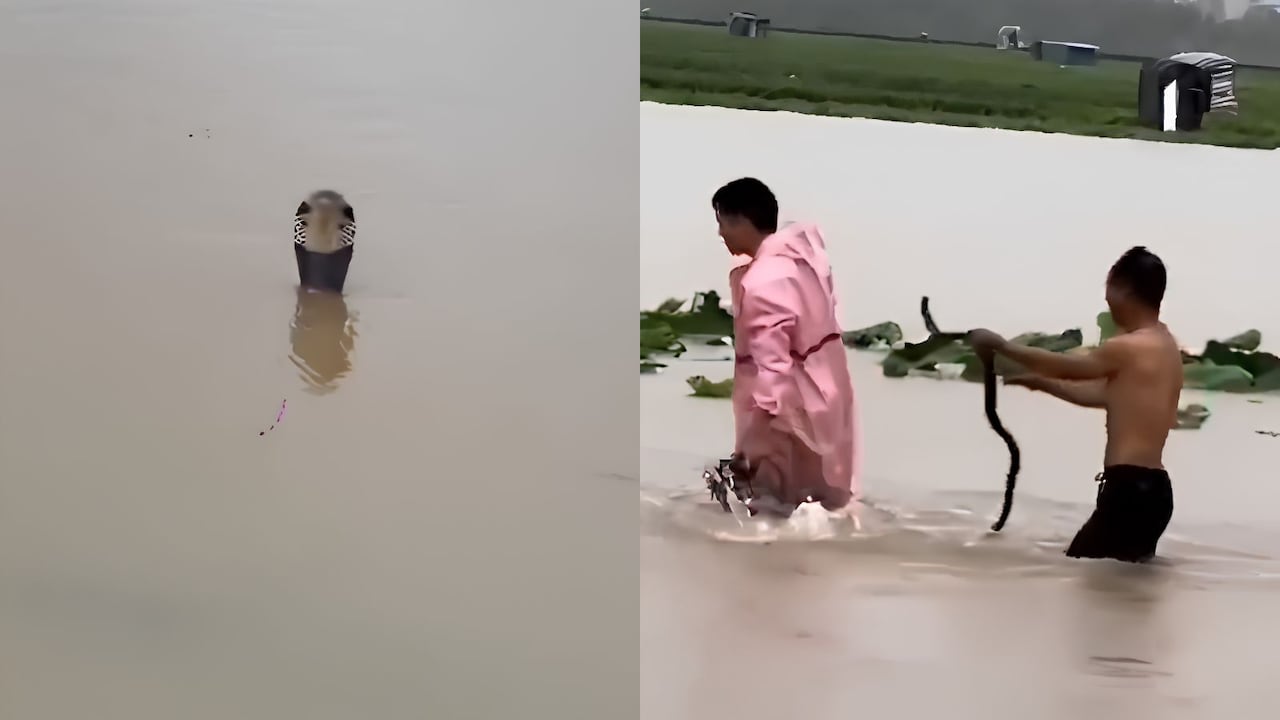
A woman has died following a snake bite in Hengzhou, Guangxi, after severe flooding and subsequent road obstructions hindered her transport to a medical facility. The incident occurred as extreme weather conditions continue to impact southern China, complicating emergency medical responses in rural and semi-rural regions. Local authorities have reported that rising water levels and debris have created hazardous conditions, leading to reports of displaced wildlife, including snakes, entering residential areas.
The death highlights the secondary risks posed by the ongoing monsoon season in China, where heavy rainfall often leads to the displacement of reptiles from their natural habitats. According to the World Health Organization, snakebite envenoming is a significant public health issue in tropical and subtropical regions, particularly when environmental disasters like floods disrupt access to essential healthcare services. In the context of the Guangxi floods, the intersection of limited emergency vehicle access and the proximity of displaced wildlife has become a focal point for local disaster management teams.
Environmental Impacts of Flooding on Wildlife
Heavy rainfall and flash flooding in Guangxi have significantly altered the landscape, forcing various species to seek higher ground. This often brings snakes into closer proximity to human settlements, increasing the frequency of human-wildlife encounters. Experts from the China Meteorological Administration have consistently tracked the intensity of these weather patterns, noting that sustained precipitation levels across the southern provinces have been higher than seasonal averages this year.
When floods breach natural barriers, snakes—which are often adept swimmers—may be carried into urban or village perimeters. The presence of these animals in flooded residential zones has been documented in various regional reports as a compounding factor for emergency services already strained by evacuation and rescue operations. Residents in affected areas have been advised by local disaster relief offices to exercise extreme caution when navigating standing water and to report sightings of dangerous wildlife to the relevant municipal bureaus.
Emergency Response and Healthcare Challenges
The delay in reaching the hospital in this specific case underscores the difficulties posed by damaged infrastructure. In Guangxi, as in many parts of rural China, the National Health Commission oversees the distribution of anti-venom and emergency medical resources, but the efficacy of these supplies is heavily dependent on the ability of ambulances to traverse flooded roads. When primary access routes are blocked by landslides or high water, the “golden hour” for treating severe envenomation is often compromised.
Local authorities are currently managing a multi-pronged crisis, balancing search and rescue operations with the maintenance of supply chains for medical necessities. For individuals residing in flood-prone zones, the recommended protocol involves minimizing movement through flooded areas, wearing protective footwear, and maintaining a clear path for emergency responders. The provincial government has reiterated that emergency hotlines remain open for those requiring urgent medical assistance, though response times may continue to fluctuate until water levels recede.
Safety Measures and Ongoing Monitoring
As the monsoon season progresses, the potential for further displacement of wildlife remains high. The National Forestry and Grassland Administration monitors wildlife movement and provides guidelines for communities to mitigate risks during natural disasters. Residents are encouraged to monitor local weather bulletins and flood warnings, which are updated daily by regional government platforms.
While the immediate focus remains on flood mitigation and public safety, the incident in Hengzhou serves as a reminder of the indirect mortality risks associated with extreme weather events. The regional government has not yet released a final report on the total number of snake-related incidents since the start of the current flooding cycle, but monitoring stations remain active in high-risk zones. Further updates regarding flood control measures and emergency medical access will be provided by the Guangxi municipal government as the situation evolves.
If you have information regarding local safety advisories or wish to contribute to the ongoing discussion on disaster management, please feel free to comment below or share this report with those in the affected regions.