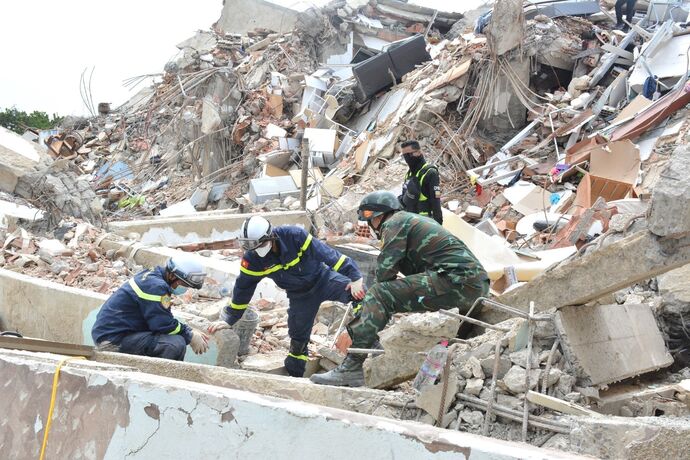
International search and rescue teams, including a contingent from Vietnam, have intensified operations in Venezuela following the catastrophic landslide in Las Tejerías, Aragua state. According to reports from official civil protection agencies, recovery efforts remain ongoing as teams work to clear debris and locate missing individuals in the wake of the disaster.
The Vietnamese Ministry of Public Security confirmed that its specialized rescue personnel have been deployed to support local authorities in the aftermath of the severe weather events that impacted the region. These operations are part of a broader humanitarian response involving international partners aiming to stabilize affected areas and recover victims trapped under deep layers of mud and sediment.
Current Status of Search and Recovery Operations
Recovery efforts in the Aragua region have been complicated by the scale of the landslide, which brought massive amounts of debris into residential zones. As of the most recent operational updates from the Venezuelan Ministry of Interior, Justice and Peace, specialized teams are utilizing heavy machinery alongside manual extraction techniques to reach areas previously inaccessible due to unstable terrain. Official government portals provide ongoing situational reports regarding the coordination between international aid groups and the Venezuelan National Risk Management System.
The arrival of international rescue teams has provided additional technical capabilities, including advanced acoustic sensors and canine units trained for disaster response. These tools are critical for identifying potential survivors or recovering victims in areas where mechanical excavation could cause further structural collapse. The cooperation between the Vietnamese mission and local Venezuelan civil defense forces is governed by bilateral humanitarian agreements signed to facilitate rapid deployment during state-declared emergencies.
International Cooperation and Humanitarian Deployment
The deployment of the Vietnamese rescue contingent underscores the international nature of the response to the Venezuelan crisis. According to statements released by the Vietnam News Agency, the team arrived with self-sustaining equipment designed to operate in remote, disaster-stricken zones without placing additional strain on local infrastructure. This mission is part of a series of deployments intended to assist in disaster relief and infrastructure recovery following extreme meteorological events.

Logistical coordination is managed through the Ministry of Foreign Affairs of Venezuela, which serves as the primary liaison for all foreign aid missions. The process involves:
- Verification of safety protocols for international personnel operating in high-risk zones.
- Integration of foreign rescue data into the national missing persons registry.
- Supply chain management for fuel, food, and medical provisions required by the rescue teams.
The Impact of Extreme Weather in Venezuela
The events in Las Tejerías are categorized by meteorologists as a consequence of extreme precipitation linked to regional climate patterns. The sudden saturation of soil in the mountainous Aragua region triggered a series of landslides that destroyed homes and critical infrastructure. The United Nations Office for Disaster Risk Reduction has previously highlighted the vulnerability of northern Venezuelan coastal areas to such events, citing the combination of steep topography and rapid urban expansion into high-risk zones.
The economic and social impact remains significant, as the government continues to manage the displacement of thousands of residents. Recovery efforts are currently focused on three primary pillars: debris clearance, restoration of basic utility services—including water and electricity—and the structural assessment of remaining residential buildings. Authorities have established temporary shelters to accommodate those who lost their homes, with health monitoring being conducted to prevent the spread of waterborne illnesses in the affected areas.
Next Steps for Recovery and Reconstruction
The immediate focus for the coming week remains the completion of search operations in the designated high-risk zones. Once the search phases are concluded and the area is declared secure, the focus will shift toward long-term reconstruction and the implementation of early-warning systems to mitigate future disaster risks. Residents are encouraged to monitor updates from the Venezuelan Civil Protection website for information regarding safe zones and ongoing safety advisories.

As the situation develops, we will continue to provide updates on the progress of the recovery mission and the status of the affected communities. We invite readers to share their thoughts or engage in the discussion below as we track this international humanitarian effort.