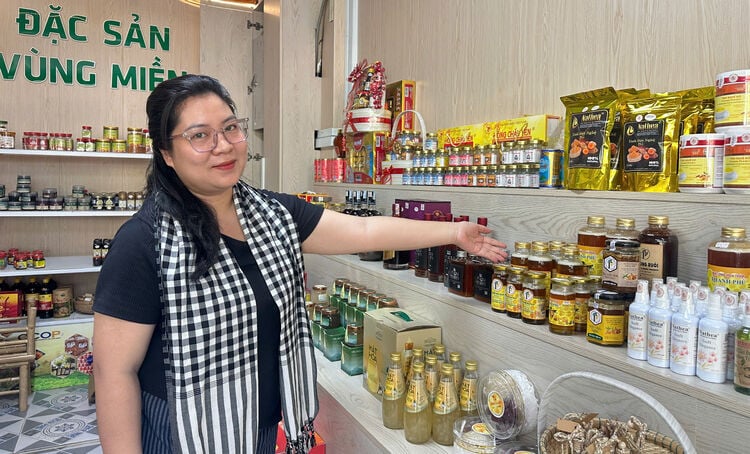
The digital marketplace is rapidly evolving, and increasingly, women are at the forefront of this transformation. From rural Vietnam to bustling urban centers across the globe, women entrepreneurs are leveraging the power of e-commerce and social media to build thriving businesses, expand their reach, and secure greater financial independence. This shift isn’t merely about adopting new technologies; it represents a fundamental change in economic empowerment, offering opportunities previously unavailable to many.
The story of Vietnamese women embracing digital business is particularly compelling. Traditionally, many rural women relied on local markets and limited distribution networks to sell their products, often facing unstable incomes and dependence on seasonal demand. However, a growing number are now successfully utilizing platforms like Facebook, Zalo, TikTok, and Shopee to connect directly with consumers, both domestically and internationally. This digital leap is not without its challenges, but the potential rewards – increased income, greater control over their businesses, and enhanced economic security – are proving to be a powerful motivator.
This trend is particularly significant in a country like Vietnam, where small and medium-sized enterprises (SMEs) are the backbone of the economy. According to the General Statistics Office of Vietnam, SMEs account for over 98% of all enterprises in the country and contribute significantly to employment and GDP growth. The General Statistics Office of Vietnam provides comprehensive data on the country’s economic landscape, highlighting the crucial role of SMEs. The increasing participation of women in the digital economy is therefore not just a matter of individual empowerment, but a key driver of broader economic development.
From Local Specialties to Global Markets: The Rise of Vietnamese Women Entrepreneurs
Le Thi Kim Thoa, a resident of Vinh Phong commune, exemplifies this burgeoning trend. Previously, Thoa’s family operated a small-scale business selling local specialties – dried shrimp, dried snakehead fish, dried catfish, and fresh seafood – primarily to customers in their immediate area. Sales were inconsistent, tied to local demand and the availability of fresh produce. Recognizing the potential of online shopping, Thoa proactively learned to market her products on social media. Initially, her efforts were modest, utilizing her phone to capture simple product photos and descriptions on platforms like Facebook, Zalo, and TikTok.
However, Thoa’s perseverance paid off. Through continuous learning and experimentation, she refined her approach, improving her photography skills, crafting more engaging product descriptions, and creating compelling video content. This dedication extended to exploring e-commerce platforms, specifically Shopee, which allowed her to reach a wider customer base, particularly in major cities where demand for regional specialties and artisanal products is high. “Thanks to selling on Facebook and Zalo, as well as creating videos and livestreams on TikTok, my products have become more well-known,” Thoa explained, as reported by Vietnam.vn. “Previously, I only sold in my village, but now, customers from several provinces regularly order, the volume of orders is stable, and advertising costs are low.”
Thoa’s success story isn’t unique. Le Thi Ngoc Nhan, a small business owner in Rach Gia, is another example of a woman thriving in the digital marketplace. Nhan distributes nearly 100 products under the “One Commune, One Product” (OCOP) program, a Vietnamese government initiative aimed at developing and promoting high-quality local products. The OCOP program focuses on enhancing the value chain of agricultural and non-agricultural products, and Nhan has effectively leveraged digital tools to showcase her offerings, including traditional fish sauce, pineapple wine, honey, and handcrafted items.
The OCOP Program and Digital Transformation
The OCOP program, launched in 2008, plays a crucial role in supporting rural economic development in Vietnam. It aims to build strong brands for local products, improve product quality, and enhance market access. The program categorizes products based on their quality and potential, ranging from 3-star to 5-star ratings. Nhan’s business benefits from this framework by providing clear standards for product presentation and information, including origin, production unit, expiration date, and storage instructions, all readily available online. This transparency builds trust with customers, particularly those located far from the source or tourists seeking authentic Vietnamese souvenirs.
Nhan’s diversification into artisanal products, such as woven bags and mats, further demonstrates the potential of digital platforms to preserve traditional crafts and generate income for local artisans. By promoting these products online, she’s not only expanding her customer base but also contributing to the sustainability of cultural heritage. “To reach a wider audience, I promote my products via short videos and livestreams on TikTok, which has led to a steady increase in orders,” Nhan stated.
The impact of these digital initiatives extends beyond the entrepreneurs themselves. Customers like Ho Thi Tuyet Hoa, a regular patron of Nhan’s business, appreciate the convenience and transparency offered by online platforms. “I often order fish sauce and specialty rice from her for my family,” Hoa explained. “I discovered her products through her TikTok channel and follow her closely. The videos clearly demonstrate the origin of the products, the prices are reasonable, and the customer service is extremely pleasant, which has given me confidence to place regular orders.”
Challenges and Opportunities in Vietnam’s Digital Economy
While the opportunities are significant, Vietnamese women entrepreneurs still face challenges in navigating the digital landscape. Access to reliable internet connectivity, digital literacy, and financial resources remain key hurdles. According to a 2023 report by the International Finance Corporation (IFC), the digital gender gap in Vietnam persists, with women lagging behind men in terms of digital skills and access to technology. This gap limits their ability to fully participate in the digital economy and realize its potential benefits.
building trust and establishing a strong online brand requires ongoing effort and investment. Competition in the digital marketplace is fierce, and entrepreneurs need to continuously adapt their strategies to stay ahead. However, government initiatives, such as the OCOP program, and support from organizations like the IFC are helping to address these challenges and create a more enabling environment for women-led businesses.
Key Takeaways
- Digital Empowerment: Vietnamese women are increasingly leveraging digital platforms to overcome traditional barriers to economic participation.
- OCOP Program’s Role: The “One Commune, One Product” program provides a framework for quality and branding, enhancing market access for local products.
- Social Media Marketing: Platforms like Facebook, Zalo, and TikTok are proving to be powerful tools for reaching customers and building brand awareness.
- Persistent Challenges: Digital literacy, internet access, and financial resources remain key hurdles for women entrepreneurs.
The success stories of Le Thi Kim Thoa and Le Thi Ngoc Nhan are indicative of a broader trend: the digital transformation is opening up new avenues for economic empowerment for women in Vietnam and beyond. As technology continues to evolve, and as more resources are directed towards bridging the digital gender gap, we can expect to notice even greater participation of women in the digital economy, driving innovation, creating jobs, and fostering sustainable economic growth. The Vietnamese government is currently reviewing and updating its national digital transformation strategy, with a focus on inclusive growth and gender equality, with the next phase of implementation expected to be announced in late 2026.
What are your thoughts on the role of digital technology in empowering women entrepreneurs? Share your comments below and let us know how you’ve seen digital tools impact small businesses in your community.
Worth a look
- Afrobeats Star Evolves: New Album ‘ORIADÉ’ Marks a Bold New Chapter After 15 Years
- Bank of Japan Maintains 1% Interest Rate and Raises GDP Growth Forecast to 0.6%
- Mexico Leads Digital Investment for 2026 World Cup via Streaming and AI (world-today-news.com)
- Apple Shares Fall on Supply Warnings Despite Record June Quarter Sales (time.news)