
Viktor Orbán Announces Resignation from Hungarian Parliament Seat
Hungarian Prime Minister Viktor Orbán announced on Saturday that he will resign his seat in the National Assembly to focus on rebuilding his ruling Fidesz-KDNP coalition ahead of the 2026 parliamentary elections. The statement was made during a party meeting in Budapest, where Orbán emphasized the need for internal restructuring within Fidesz to maintain its political dominance. According to the party’s official communication, Orbán intends to dedicate his efforts to strengthening grassroots organizations and refining policy platforms rather than continuing his legislative duties.
The decision comes amid growing scrutiny over Fidesz’s electoral performance in recent local elections and increasing pressure from opposition parties demanding greater accountability. Orbán, who has served as Hungary’s prime minister since 2010 and previously held the office from 1998 to 2002, remains the leader of Fidesz, which he co-founded in 1988. His resignation from parliament does not affect his position as head of government or party president, roles he continues to hold under Hungary’s constitutional framework.
Political analysts suggest the move may be strategic, allowing Orbán to distance himself from day-to-day parliamentary debates while maintaining control over national policy direction. By stepping back from legislative responsibilities, he aims to concentrate on revitalizing Fidesz’s campaign machinery and addressing internal divisions that have emerged within the coalition. The Fidesz-KDNP alliance, which has governed Hungary since 2010, faces renewed challenges from newly formed opposition groupings and civic movements advocating for democratic reforms.
Context Behind Orbán’s Parliamentary Resignation
Orbán’s announcement follows a series of setbacks for Fidesz in municipal elections held across Hungary in late 2025, where the party lost control of several key urban centers including districts in Budapest. These results were interpreted by political commentators as a sign of voter fatigue with over a decade of Fidesz-led governance and growing concerns about rule of law issues raised by European Union institutions. The party’s national popularity has fluctuated in recent polls, prompting internal discussions about leadership strategy and policy priorities.
Under Hungary’s electoral system, members of parliament who resign their seats are replaced by the next candidate on their party’s regional list. Fidesz officials confirmed that Orbán’s vacancy will be filled according to standard procedures, ensuring no disruption to the party’s parliamentary representation. The National Assembly currently consists of 199 members, with Fidesz-KDNP holding a supermajority that enables it to pass constitutional amendments without opposition support.
The timing of Orbán’s decision coincides with ongoing debates in Brussels regarding Hungary’s access to EU recovery funds, which have been partially suspended due to concerns over judicial independence and media pluralism. While Orbán has repeatedly criticized EU conditionality as infringing on national sovereignty, his focus on party rebuilding suggests an acknowledgment that domestic political consolidation is necessary to withstand external pressures.
Implications for Hungarian Politics and Fidesz-KDNP
Orbán’s shift from parliamentary activity to party leadership highlights a potential evolution in his political approach, emphasizing organizational strength over legislative engagement. This transition could allow him to mentor emerging figures within Fidesz while preserving his ultimate authority over major policy decisions. Observers note that similar strategies have been employed by other long-serving leaders in democratic systems who seek to prolong their influence beyond formal office terms.
The move as well raises questions about succession planning within Fidesz, particularly as Orbán approaches his 63rd birthday. Although he has not indicated any intention to step down as prime minister, his increased focus on party infrastructure may signal preparations for a eventual leadership transition. Internal party sources suggest that several vice presidents, including Kinga Gál and Lajos Kósa, are being positioned to capture on greater responsibilities in the coming months.
For Hungary’s opposition, Orbán’s resignation presents both opportunities and challenges. While it removes a prominent debating figure from parliamentary sessions, it also concentrates his energy on electoral strategy, potentially making Fidesz a more formidable opponent in future campaigns. Opposition leaders have called for renewed efforts to unite fragmented progressive and liberal factions, arguing that only a coordinated challenge can counter Fidesz’s entrenched advantages in media access and campaign financing.
Reactions from EU Institutions and International Observers
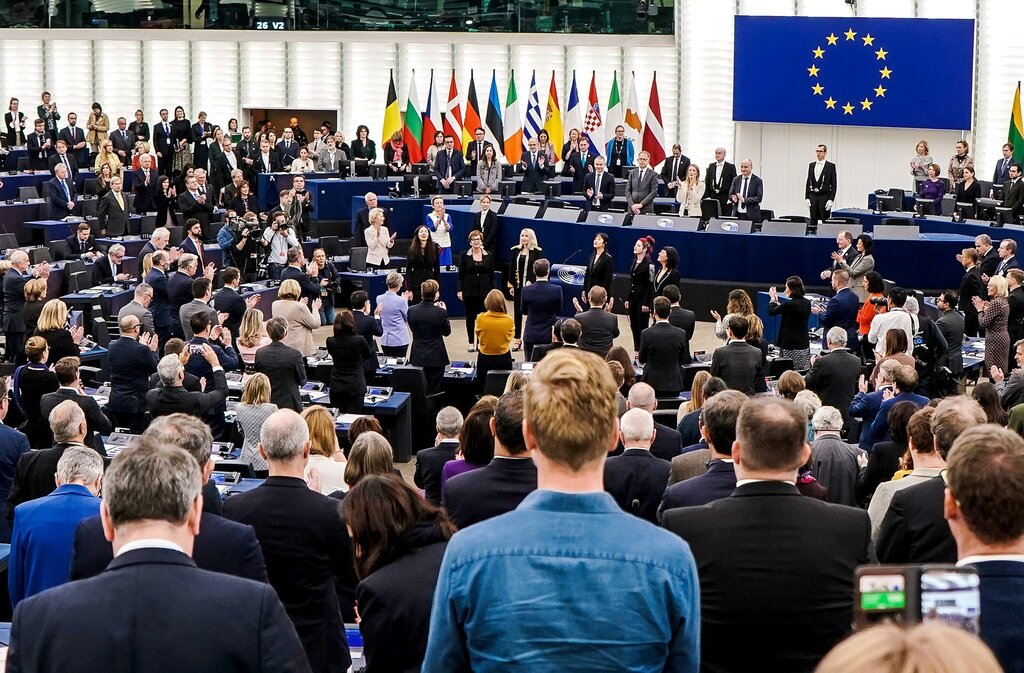
European Parliament members have monitored the situation closely, with some expressing cautious optimism that Orbán’s renewed focus on internal party affairs might create space for dialogue on democratic backsliding concerns. However, officials from the European Commission reiterated that conditionality mechanisms tied to EU funding remain active, stressing that substantive reforms in areas such as judicial independence and corruption prevention are required for full financial restoration.
International election observation groups, including the OSCE Office for Democratic Institutions and Human Rights (ODIHR), have noted improvements in certain technical aspects of Hungarian elections but continue to highlight systemic issues affecting media fairness and campaign equity. ODIHR’s final report on the 2022 parliamentary elections recommended measures to ensure more balanced media coverage and transparent campaign financing—recommendations that remain partially implemented according to follow-up assessments.
Hungarian civil society organizations have welcomed any initiative that promotes internal party democratization but caution that meaningful change requires structural reforms beyond leadership reshuffles. Groups such as the Hungarian Helsinki Committee and Atlas Network-affiliated think tanks emphasize that sustained pressure from both domestic citizens and international partners is necessary to encourage lasting improvements in governance standards.
What This Means for Hungary’s Political Future
Orbán’s decision to relinquish his parliamentary seat while retaining executive power underscores the personalized nature of power in Hungary’s political system, where institutional loyalty often flows through individual leaders rather than party structures alone. By focusing on Fidesz’s rebuilding, he appears to be attempting to renew the party’s ideological coherence and mobilizational capacity, which have weakened amid prolonged incumbency and policy stagnation in certain sectors.
The coming months will be critical in determining whether this strategic shift strengthens Fidesz’s electoral prospects or merely delays inevitable challenges posed by changing demographics, economic pressures, and evolving voter expectations. Political scientists at Budapest’s Central European University suggest that long-term regime durability depends not only on electoral victories but also on the ability to adapt to societal changes—a test that Orbán’s renewed party focus may help address.
As Hungary navigates this transitional phase, attention will center on how effectively Fidesz-KDNP can renew its appeal while addressing legitimate concerns about democratic quality. For now, Orbán’s move represents a significant tactical adjustment in a political career spanning over three decades, one that could reshape the dynamics of Hungarian politics in the lead-up to the 2026 national elections.
For ongoing updates on developments in Hungarian politics and European Union relations, readers are encouraged to consult official sources including the Hungarian National Assembly website, the European Commission’s rule of law framework page, and reputable international news outlets covering Central European affairs.
Share your thoughts on this development in the comments below, and help spread informed discussion by sharing this article with others interested in global political trends.
Worth a look