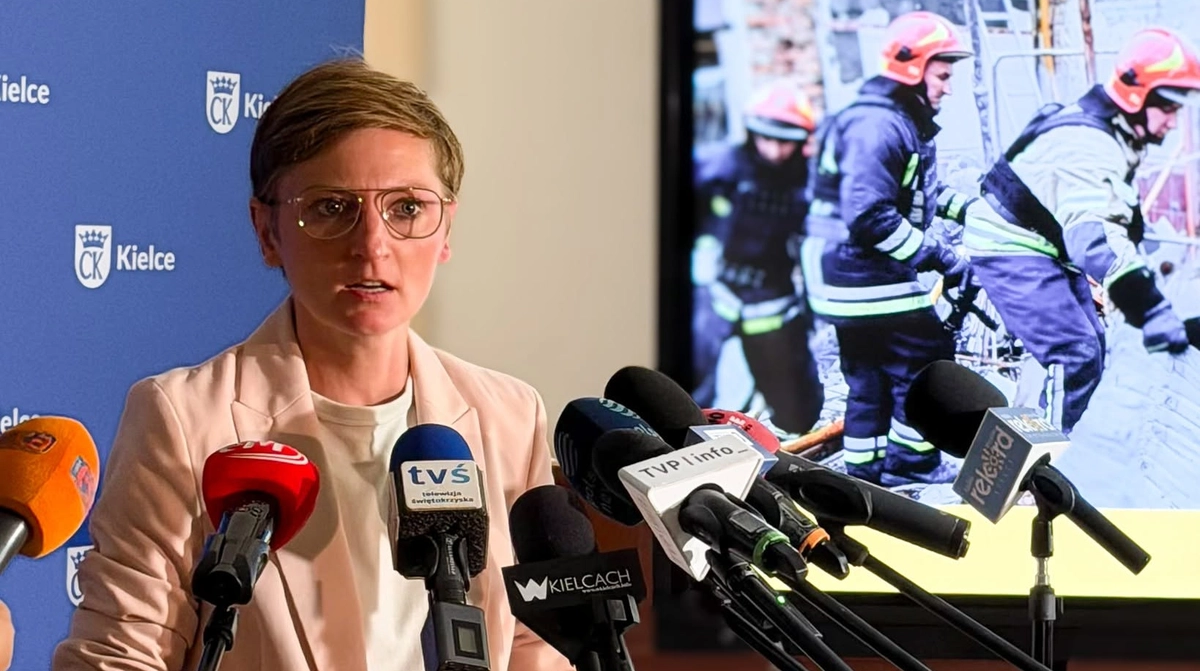
Municipal authorities in Vinnytsia, Ukraine, have formally withdrawn a request to receive a fleet of used public transport buses from their twin city in Poland. The decision follows a diplomatic dispute triggered by comments from Polish local officials regarding the naming of a street in Vinnytsia after Stepan Bandera, a figure whose historical legacy remains a point of contention in Polish-Ukrainian relations. According to local government statements, the move is intended to prevent further political friction between the two municipalities.
The incident highlights the ongoing sensitivity surrounding historical memory and public infrastructure projects in Eastern Europe. While the buses were intended to bolster Vinnytsia’s public transit capacity—a system currently under strain due to the ongoing conflict in Ukraine—the controversy surrounding street nomenclature effectively stalled the donation process. The withdrawal of the request marks a significant cooling of bilateral cooperation between the specific city administrations involved.
Historical Memory and Diplomatic Friction
The core of the dispute centers on the naming of a street in Vinnytsia in honor of Stepan Bandera, a nationalist leader who headed the Organization of Ukrainian Nationalists (OUN) during the mid-20th century. While viewed by many in Ukraine as a symbol of the struggle for independence, Bandera is widely condemned in Poland for the role of the OUN in the Volhynia massacres during World War II, an event recognized by the Polish parliament as genocide, as detailed in reports from the Polish Ministry of Foreign Affairs.

Polish local government officials cited the street name as a primary reason for reconsidering the donation of the buses. The debate intensified after public statements from Polish representatives suggested that providing aid to a city that honors a figure viewed as responsible for crimes against the Polish population was politically untenable. By withdrawing the request, Vinnytsia officials aim to avoid further public confrontation, noting that the aid was intended to be a humanitarian gesture rather than a vehicle for political debate.
Impact on Municipal Transit Cooperation
Vinnytsia has relied on international support to maintain its urban infrastructure since the full-scale Russian invasion of Ukraine began in February 2022. The city has previously engaged in successful partnerships with various European cities to upgrade its bus and tram fleets, which are essential for transporting civilians and displaced persons. The cancellation of this specific transfer illustrates how geopolitical tensions—specifically those rooted in historical grievances—can directly interrupt essential municipal services.
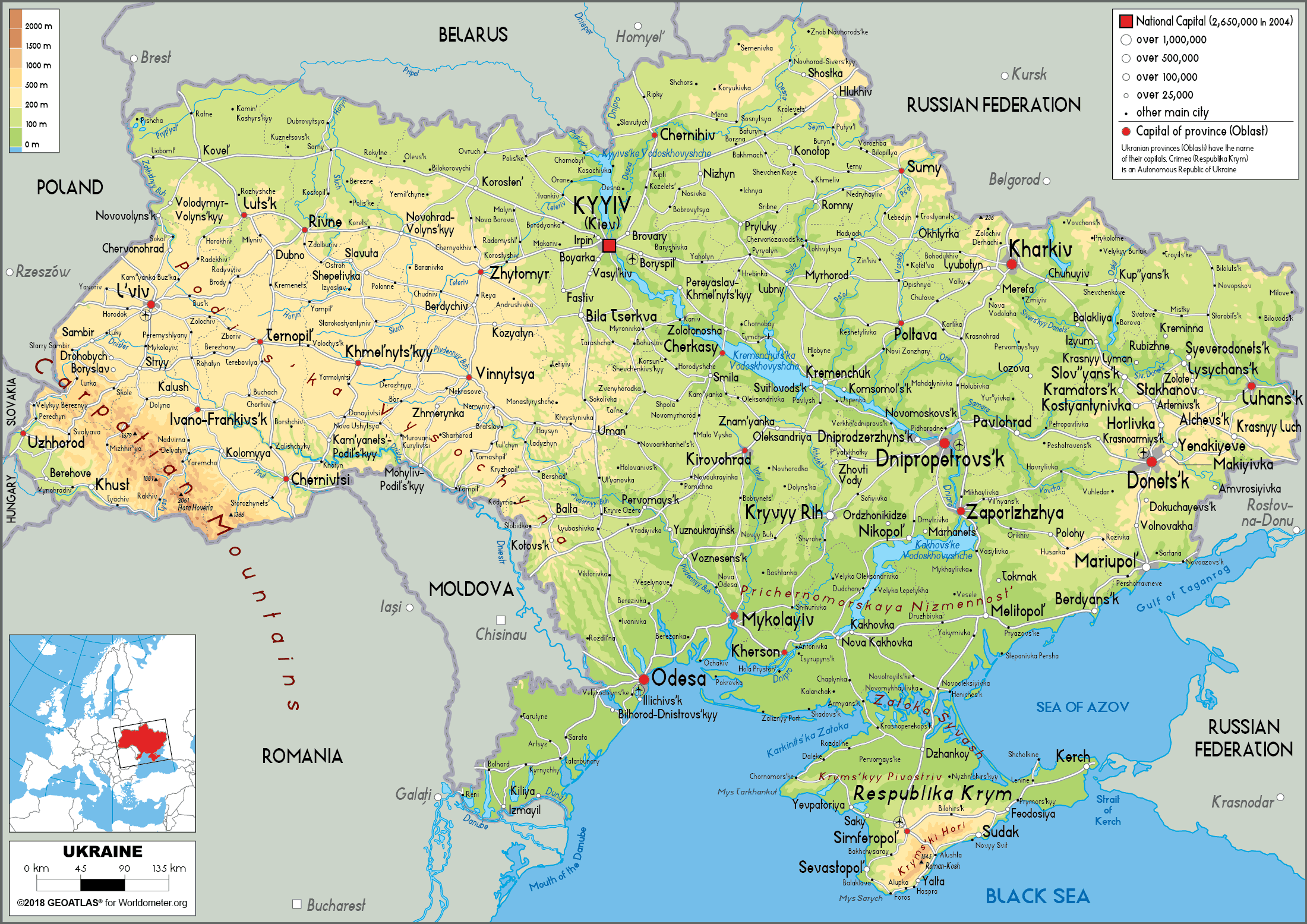
According to updates from the Vinnytsia City Council, the municipality continues to seek alternative sources for transport equipment. The city remains a significant hub for internally displaced persons, and public transport demand has remained high throughout the conflict. Despite the breakdown in this particular cooperation, municipal leaders have stated their intention to maintain broader diplomatic ties with other European partners, emphasizing that local infrastructure needs remain a priority for the city’s administration.
Broader Context of Polish-Ukrainian Relations
This incident is not an isolated occurrence but rather part of a wider, complex landscape of Polish-Ukrainian historical dialogue. While Poland has been a leading supporter of Ukraine’s defense efforts since 2022—providing significant military and humanitarian aid—the question of historical memory continues to occasionally disrupt bilateral relations at both the national and local levels. The Embassy of the Republic of Poland in Kyiv has frequently navigated these sensitive issues, often balancing the strategic necessity of supporting Ukraine against domestic political pressures within Poland regarding the interpretation of 20th-century history.
The situation in Vinnytsia underscores that even at the municipal level, twin-city agreements are subject to the influence of national historical narratives. For residents of Vinnytsia, the immediate consequence is a lost opportunity to modernize a fleet that has faced years of wear. For observers of international relations, the event serves as a reminder of the enduring power of historical memory to influence contemporary logistics and statecraft.
No further official hearings or negotiations regarding this specific bus transfer have been scheduled. The Vinnytsia City Council is expected to provide updates on their public transit procurement plans through their official portal in the coming fiscal quarter. We encourage readers to share their thoughts on the role of historical diplomacy in municipal aid in the comments section below.
Worth a look