
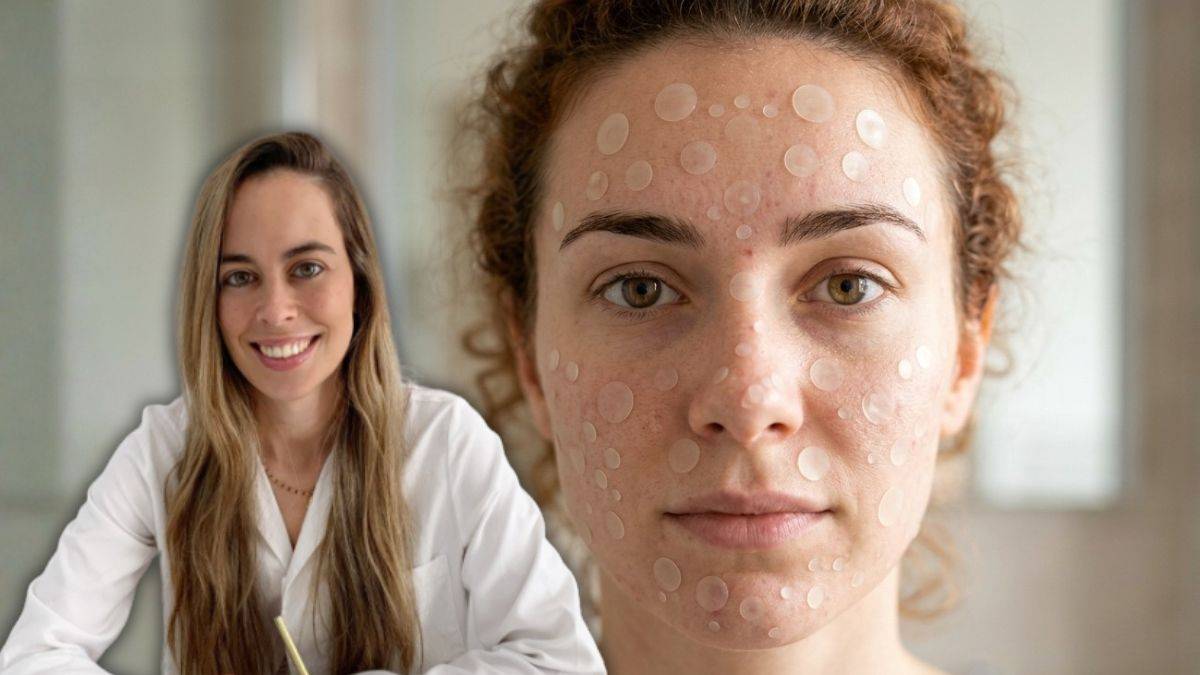
Do Pimple Patches Work? Dermatologists Weigh In on the Viral Acne Treatment Trend
What started as a discreet beauty hack has become a full-blown trend: pimple patches, once a niche product, are now a staple in skincare routines worldwide. Marketed as quick fixes for acne, these hydrocolloid bandages have gone viral—literally—appearing in shades of glitter, pastel, and even camouflage to match skin tones. But as their popularity soars, dermatologists are sounding the alarm: while these patches can be effective for certain types of blemishes, overuse may do more harm than good. Here’s what the science says about their efficacy, risks, and why they’ve become a cultural phenomenon.
The global pimple patch market has seen explosive growth, with projections suggesting it could exceed $1.2 billion by 2027, driven largely by Gen Z’s embrace of “skincare transparency.” Unlike traditional acne treatments, which often require prescription-strength medications, pimple patches offer an instant, visible solution—one that aligns with the aesthetic-driven approach of today’s beauty standards. Yet, as with any viral health trend, the hype often outpaces the evidence. So, do they work? And if so, for whom?
To separate fact from fiction, we consulted board-certified dermatologists and analyzed clinical insights. The consensus? Pimple patches are not a cure-all, but when used correctly, they can be a valuable tool in acne management. The key lies in understanding their mechanism, limitations, and the potential pitfalls of relying on them too heavily.
How Pimple Patches Work: The Science Behind the Hype
At their core, pimple patches are designed to address two primary issues: inflammation, and contamination. The most effective versions use hydrocolloid technology, a gel-like substance that absorbs excess fluid, pus, and debris from blemishes. “They create a moist wound-healing environment,” explains Dr. Kunal Malik, a board-certified dermatologist at Spring Street Dermatology in New York City. “This helps draw out the inflammatory components of a pimple while protecting it from external bacteria.”
Unlike acne medications that target underlying causes—such as retinoids or benzoyl peroxide—pimple patches provide a physical barrier. This dual action explains their appeal: they offer immediate relief for surface-level breakouts while reducing the temptation to pick at them. Studies, including a 2024 clinical review in the Journal of Cosmetic Dermatology, confirm that hydrocolloid patches can reduce redness and swelling in inflamed lesions by up to 30% within 24 hours.
—Dr. Kunal Malik, Board-Certified Dermatologist
What Types of Pimples Do They Help?
Not all blemishes respond equally to pimple patches. Dermatologists agree they work best for:
- Whiteheads: Patches can help extract the trapped sebum and dead skin cells.
- Small cysts: The hydrocolloid gel reduces inflammation and prevents further irritation.
- Mild blackheads: While less effective than comedone extractors, some patches can help loosen the plug.
However, they are not recommended for:
- Deep, painful nodules: These require prescription oral or topical treatments.
- Inflamed acne with pus: Overuse may spread bacteria if the patch isn’t changed frequently.
- Sensitive or broken skin: The adhesive can cause irritation or allergic reactions in some individuals.
The Dark Side of Viral Acne Solutions
The rise of pimple patches coincides with a broader shift in skincare culture: the prioritization of instant gratification over long-term solutions. While patches can provide temporary relief, dermatologists warn that relying on them exclusively may mask underlying acne triggers—such as hormonal imbalances, diet, or stress. “Patients often come in after using patches for weeks, only to find their acne has worsened because they weren’t addressing the root cause,” says Dr. Malik.
Another concern is overuse and dependency**. Some users report developing patch-induced folliculitis, a mild infection caused by prolonged occlusion of the skin. The adhesive in some brands can clog pores if left on too long, leading to pore stripping and compensatory breakouts. “It’s a bit like using a bandage on a paper cut—it helps in the short term, but if you don’t treat the underlying issue, the problem persists,” warns Dr. Malik.
—Dr. Malik, Spring Street Dermatology
Are Pimple Patches Safe for Daily Use?
Dermatologists recommend treating pimple patches as a short-term solution, not a daily habit. The general guidelines include:
- Limit use to 2–3 patches at a time, applied only to active blemishes.
- Replace patches every 6–8 hours to prevent bacterial buildup.
- Avoid using on open wounds or active infections.
- Patch-test first: Apply to a small area for 24 hours to check for irritation.
For those with acne-prone skin, patches should be part of a broader regimen that includes:
- Gentle cleansers (e.g., salicylic acid or benzoyl peroxide).
- Moisturizers to prevent over-drying.
- Sun protection to avoid post-inflammatory hyperpigmentation.
The Cultural Shift: Why Pimple Patches Went Viral
The popularity of pimple patches extends beyond their efficacy—it’s a reflection of changing attitudes toward acne and beauty. Historically stigmatized as a sign of poor hygiene, acne is now openly discussed in social media circles, with influencers and celebrities normalizing its treatment. Brands have capitalized on this shift, offering patches in aesthetic designs that turn skincare into a form of self-expression.
“There’s a destigmatizing effect happening,” notes Dr. Malik. “Younger generations are more open about their skin concerns, and products like pimple patches give them a sense of control. It’s not just about clearing a pimple—it’s about confidence.”
The trend has also been fueled by social media algorithms, which amplify viral beauty hacks. A 2025 study in the Journal of Medical Internet Research found that TikTok and Instagram posts featuring pimple patches increased by 400% in 2024, often with misleading claims about overnight results. While the patches themselves are not inherently dangerous, the lack of regulation in influencer marketing can lead consumers to misuse them.
Expert Recommendations: How to Use Pimple Patches Safely
Key Takeaways
- They work best for whiteheads and small cysts, reducing inflammation and preventing picking.
- Limit use to 2–3 patches at a time and replace every 6–8 hours to avoid infections.
- Combine with a skincare routine, not as a standalone treatment.
- Patch-test first to avoid allergic reactions or folliculitis.
- Avoid overuse: Patches are not a cure for acne and may mask underlying issues.
When to See a Dermatologist
If acne persists despite using pimple patches, it may indicate an underlying condition such as:

- Hormonal acne (common in teens and women with PCOS).
- Bacterial infections (requiring antibiotics).
- Cystic acne (needs prescription-strength treatments).
A dermatologist can recommend personalized treatments, such as:
- Topical retinoids (e.g., tretinoin).
- Oral medications (e.g., spironolactone for hormonal acne).
- Professional extractions or chemical peels.
Looking Ahead: The Future of Acne Treatments
As pimple patches continue to dominate shelves, researchers are exploring next-generation acne solutions, including:
- Smart patches with embedded sensors to monitor pH and bacteria levels.
- Biodegradable adhesives to reduce environmental impact.
- Combination patches infused with mild actives like niacinamide or tea tree oil.
However, dermatologists stress that no single product can replace a consistent skincare routine. “The goal isn’t to hide acne with patches, but to treat it effectively,” says Dr. Malik. “Patches are a tool—not a replacement for good habits.”
Have you tried pimple patches? Share your experience in the comments—and let us know if they worked for your skin type!
For more expert advice on acne treatment, explore our skincare guide or ask a dermatologist.