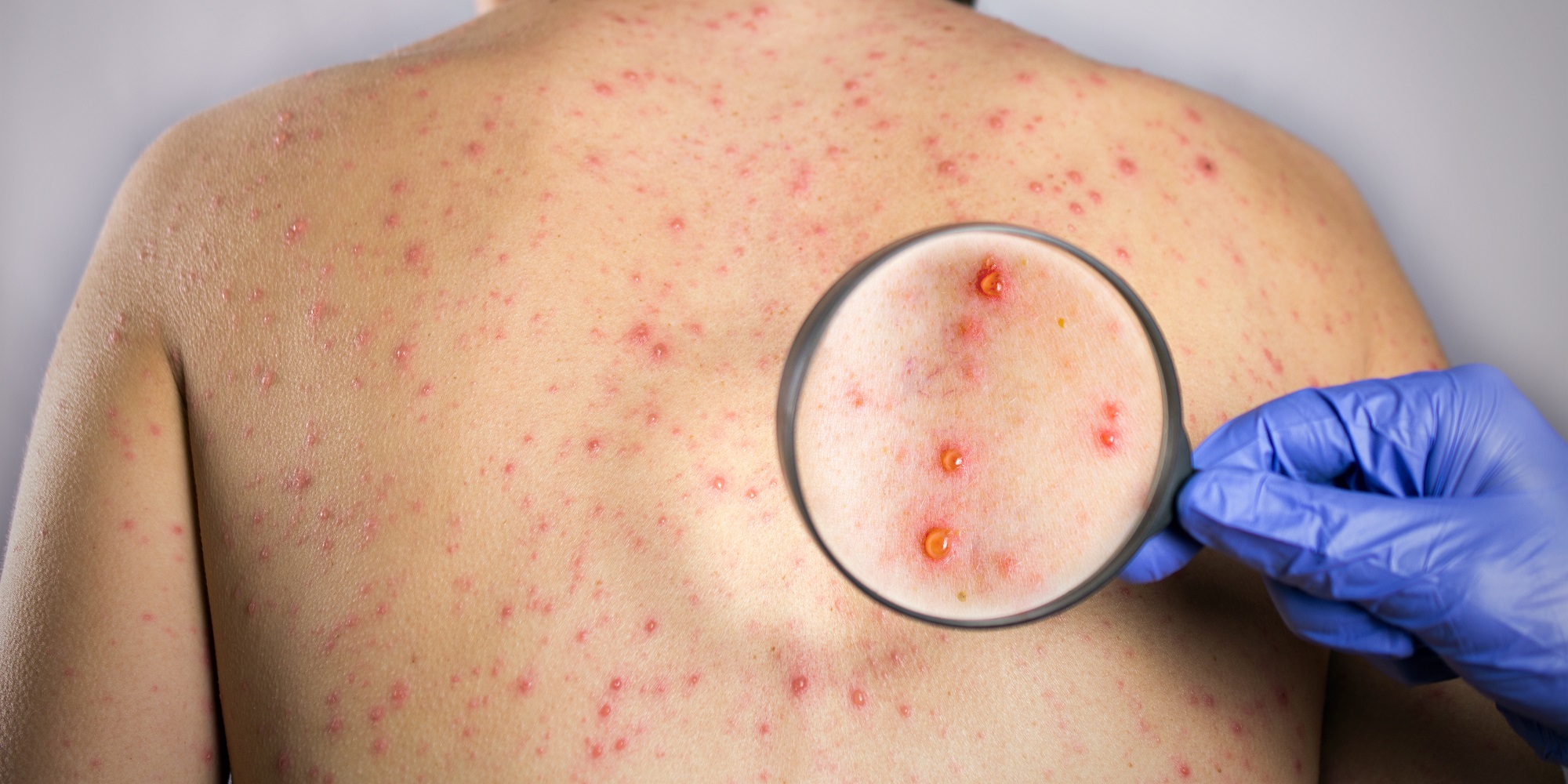
Viral skin diseases are experiencing a global resurgence, driven by a combination of environmental changes, increased international travel, and shifts in population immunity. As a physician, I have observed that conditions once considered rare or geographically confined are now appearing with greater frequency in diverse healthcare settings. Understanding the mechanics of these pathogens is essential for both clinicians and the public to manage risks effectively.
The rise in these infections is not attributed to a single cause but rather to a convergence of factors that facilitate the spread of viruses such as mpox, varicella-zoster, and various enteroviruses. According to the World Health Organization (WHO), the global landscape of infectious diseases is shifting, necessitating more robust surveillance and rapid diagnostic capabilities to prevent localized outbreaks from becoming widespread health concerns.
Drivers of Global Viral Dermatological Trends
Several variables contribute to the current trajectory of viral skin conditions. Climate change is a significant factor, as warmer temperatures expand the habitats of disease vectors, such as mosquitoes and ticks, which can carry viruses that manifest with cutaneous symptoms. Furthermore, the Centers for Disease Control and Prevention (CDC) notes that increased global mobility allows pathogens to cross borders with unprecedented speed, challenging the containment strategies of local public health authorities.
Beyond environmental and travel factors, gaps in routine immunization programs—often exacerbated by disruptions during the COVID-19 pandemic—have left segments of the population more vulnerable to vaccine-preventable viral illnesses. Conditions like hand, foot, and mouth disease, caused by enteroviruses, continue to circulate in childcare and school settings, proving that common viral skin conditions remain a persistent public health challenge in both developed and emerging economies.
Clinical Recognition and Diagnostic Challenges
Identifying viral skin infections requires a high index of clinical suspicion. Many viral exanthems present with non-specific symptoms, such as fever, malaise, or generalized rashes, which can mimic bacterial infections or allergic reactions. As noted by the European Centre for Disease Prevention and Control (ECDC), the reliance on telemedicine has added a layer of complexity to dermatological diagnosis, as high-resolution imaging is often required to distinguish between benign viral eruptions and more serious conditions.
For patients, the appearance of a sudden rash should prompt a consultation with a healthcare provider, especially if accompanied by systemic symptoms. Early intervention is often the difference between a mild, self-limiting course and the development of complications. In my practice at Charité, we emphasize that while many viral skin conditions are self-limiting, secondary bacterial infections can occur if the skin barrier is compromised by scratching or improper wound care.
Preventative Strategies and Public Health Policy
Mitigating the impact of viral skin diseases centers on three pillars: vaccination, hygiene, and public awareness. Vaccination remains the most effective tool against viruses like varicella-zoster (chickenpox/shingles). The Robert Koch Institute (RKI), Germany’s central public health agency, provides comprehensive guidelines on age-appropriate immunization schedules that are crucial for maintaining herd immunity and protecting those who cannot be vaccinated for medical reasons.
Personal hygiene measures—including frequent handwashing and the avoidance of direct contact with active lesions—are critical in preventing the transmission of viruses within households and community settings. As these infections continue to evolve, health ministries worldwide are increasingly prioritizing the integration of dermatological surveillance into broader infectious disease monitoring systems to detect early clusters of unusual skin presentations.
Future Outlook for Infectious Skin Pathology
The medical community is currently focusing on improving rapid diagnostic tests that can be used at the point of care. By reducing the time between the onset of symptoms and laboratory confirmation, clinicians can provide more targeted treatment and effective isolation guidance. Research published in international medical journals underscores that the future of managing viral skin diseases lies in combining genomic surveillance with enhanced clinical training to ensure that healthcare systems remain resilient.
The next checkpoint for global monitoring will involve the upcoming review of the International Health Regulations (IHR) by member states at the World Health Assembly, which aims to strengthen the global response to emerging and re-emerging infectious diseases. Staying informed through verified government health portals is the best defense for the public as we monitor these ongoing trends. Please feel free to share your thoughts or questions regarding these developments in the comments section below.