
In the mid-1980s, the Argentine rock scene underwent a transformative shift led by the band Virus and their frontman, Federico Moura. The group’s evolution during this period, particularly regarding their studio approach and the creation of their signature sound, remains a cornerstone of Latin American musical history. By focusing on a polished, synth-driven aesthetic, the band successfully transitioned from the raw energy of early post-punk toward a definitive, highly influential style that balanced pop accessibility with artistic depth.
The recording process for the band’s mid-80s output is often noted for its spontaneity and the pressure to capture a specific creative moment. Rather than laboring over abstract concepts, the group prioritized the immediacy of the studio environment. This “made-in-a-hurry” approach, as described in historical accounts of their sessions, allowed for a level of raw, creative urgency that arguably contributed to the success of their major hits. For fans and critics alike, this era represents the moment Virus achieved their definitive artistic identity, moving beyond experimentation to establish a coherent, recognizable sound that would define their legacy.
The Evolution of the Virus Sound
During the mid-1980s, Federico Moura served as the primary visionary for the group. His background in fashion and design influenced the band’s visual and sonic choices, pushing them toward a more sophisticated, cosmopolitan aesthetic. This shift was not merely stylistic; it was a deliberate move to distance the band from the more traditional, guitar-heavy rock of the era. By integrating synthesizers and a tighter, more rhythmic production style, Virus bridged the gap between underground alternative music and mainstream pop charts.
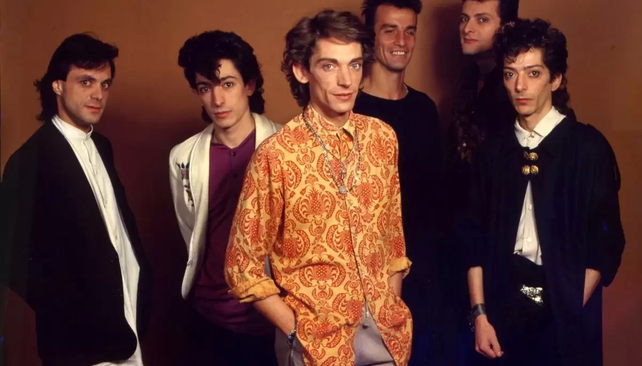
The band’s ability to remain relevant while pushing boundaries can be traced back to their disciplined yet innovative approach to production. By the time they reached their creative peak in the middle of the decade, they had mastered the balance between catchy hooks and complex arrangements. This evolution is well-documented in the retrospective analysis of the Argentine rock movement, where scholars and music journalists often highlight how the band’s transition into a more “definitive style” allowed them to influence a generation of musicians across the Spanish-speaking world.
Creative Urgency and Studio Success
The notion that some of their most significant hits were recorded under tight deadlines is a recurring theme in the history of the band. In the music industry, such constraints often force artists to make immediate, decisive choices rather than over-analyzing their work. For Virus, this pressure appeared to act as a catalyst for their creative output. The recordings from this time possess a clarity and focus that suggests the band had reached a point of total confidence in their collaborative process.
While the recording sessions were often described as hurried, the result was a polished, high-fidelity sound that stood in stark contrast to much of the local production at the time. This contrast was intentional, as the group sought to emulate international standards of production. The success of these mid-80s tracks cemented their status as pioneers of the “new wave” in Argentina, proving that a band could achieve both critical acclaim and mass appeal without compromising their artistic integrity.
Why the Mid-80s Remain Relevant
The impact of Virus on the musical landscape of the 1980s continues to be a subject of interest for contemporary listeners. Their work serves as a case study in how a group can evolve its identity while maintaining a core artistic vision. By prioritizing the “definitive style” mentioned in historical critiques, the band provided a blueprint for future artists who sought to blend electronic elements with rock songwriting.

For those interested in the broader context of this era, it is helpful to look at how the band’s discography from 1984 through 1987 reflects this transformation. These years marked a period of intense activity, characterized by constant touring and a relentless pursuit of a “perfect” sound. The legacy of Federico Moura, who passed away in 1988, remains inextricably linked to this period of creative peak, ensuring that the music from this era remains a vital part of the cultural conversation in Argentina and beyond.
As we look back at this influential period, the focus remains on the band’s ability to innovate under pressure. Their story is one of artistic evolution, demonstrating that even work created in haste can achieve a timeless quality when the creative vision is sufficiently clear. We encourage readers to share their thoughts on the lasting influence of Virus in the comments section below, and to stay tuned for further analyses of 20th-century musical movements.
Worth a look