Unearthing the Stories of Visigothic Women: A Glimpse into Power and Status
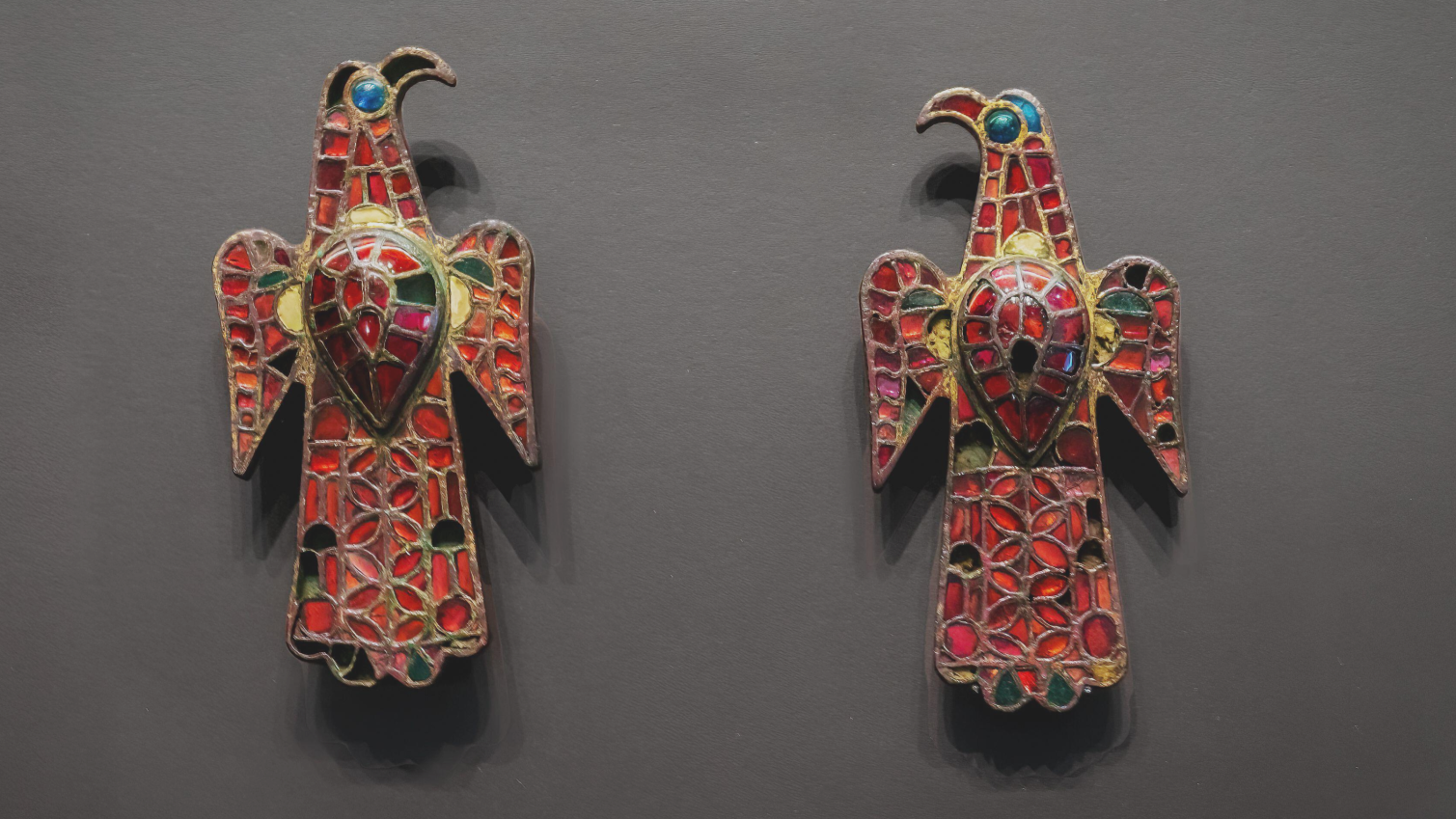
Recent archaeological discoveries are shedding new light on the lives of women during the Visigothic period in Spain, offering tantalizing clues about their influence and societal roles.Specifically,a remarkable find – ornate eagle brooches – is sparking debate and intrigue among historians and archaeologists. These aren’t just beautiful artifacts; they represent a potential window into the world of powerful women in 7th-century Iberia.
The Meaning of the eagle Brooches
These stunning brooches, unearthed at a cemetery in Alovera, were likely used too fasten the shoulders of women’s garments. Their intricate design and craftsmanship suggest they belonged to someone of considerable status. You can imagine the impact these pieces would have made, signifying wealth and importance.
But who wore them? were they the adornments of a queen, a noblewoman, or someone else entirely?
A Society with Surprisingly Progressive Laws
The Visigoths, who ruled much of the Iberian Peninsula from the 5th to the 8th centuries, had a legal code that was remarkably forward-thinking for its time. Known as the Visigothic Code, established in the mid-7th century, it granted women significant rights.
Consider these key provisions:
* Women could inherit property and titles.
* They had the autonomy to arrange their own marriages.
* They possessed a degree of financial independence.
These laws suggest a society where women weren’t entirely powerless, a interesting contrast to many other cultures of the era. However, past records primarily mention the names of Visigothic queens and consorts, leaving many questions unanswered about the lives of other influential women.
The Challenge of Archaeological Interpretation
while the eagle brooches hint at the existence of powerful women, definitive proof remains elusive. Unfortunately, the original excavations at the Alovera cemetery occurred over a century ago, before modern archaeological techniques were widely adopted. This lack of rigorous excavation methods means crucial contextual information may have been lost.
therefore, determining whether these exquisite brooches belonged to a Visigothic queen or another high-ranking woman may remain a mystery. Despite this challenge, each new discovery continues to enrich our understanding of this fascinating period.
Continuing the Search for Answers
The story of the Visigothic women is still being written. Ongoing research and potential future excavations promise to reveal more about their lives, their power, and their place in history. You can stay informed about these exciting developments by following archaeological news and scholarly publications.
These artifacts aren’t just relics of the past; they are invitations to explore a complex and compelling chapter in history, reminding us that the stories of women – even those from centuries ago – deserve to be told.
Worth a look