
A common vitamin B12 deficiency often presents with subtle symptoms that frequently mimic the natural progression of aging, potentially delaying diagnosis and effective treatment. While the body requires only microscopic amounts of this essential nutrient, a persistent shortage can lead to significant neurological and metabolic disruptions, including fatigue, cognitive clouding, and peripheral nerve issues. According to the National Institutes of Health (NIH) Office of Dietary Supplements, vitamin B12 is vital for DNA synthesis, red blood cell formation, and the maintenance of the myelin sheath that protects nerve fibers.
The medical understanding of this vitamin has evolved significantly since 1926, when researchers George Minot and William Murphy discovered that consuming large amounts of liver could treat pernicious anemia, a condition later identified as a B12 absorption failure. This breakthrough, which earned them the Nobel Prize in Physiology or Medicine in 1934, marked the beginning of modern B12 research. Today, clinical focus has expanded beyond anemia to include the role of B12 in mitochondrial health, the cellular powerhouses responsible for energy production, as noted by the National Center for Biotechnology Information.
How Vitamin B12 Deficiency Mimics Aging
Patients with low levels of vitamin B12 often report symptoms that overlap with common age-related complaints, leading many to dismiss their condition as a routine byproduct of growing older. These symptoms include persistent lethargy, memory lapses, and a sense of “brain fog.” Because these manifestations are non-specific, they are frequently misattributed to stress, sleep deprivation, or the expected cognitive decline associated with aging. However, unlike natural aging, these symptoms can be reversible with appropriate supplementation or medical intervention if caught before permanent neurological damage occurs.
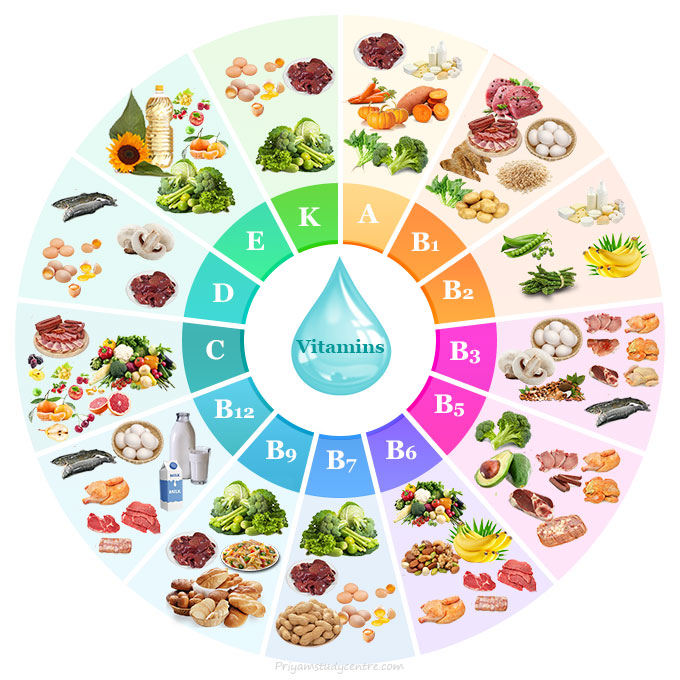
The Mayo Clinic highlights that the body does not produce B12, meaning individuals must obtain it through animal-based foods or fortified products. Older adults are at a higher risk of deficiency because the production of stomach acid—which is necessary to release B12 from food—naturally decreases with age. This physiological change, often termed atrophic gastritis, can prevent the absorption of the vitamin even in individuals who consume a balanced diet.
The Connection Between B12 and Mitochondrial Function
Recent research suggests that the fatigue associated with B12 deficiency may stem from the vitamin’s influence on mitochondria. Mitochondria are the organelles responsible for generating adenosine triphosphate (ATP), the primary energy carrier in cells. When B12 levels are insufficient, the metabolic pathways that fuel these powerhouses may become impaired, leading to a systemic drop in energy levels. This energy crisis occurs at a cellular level, providing a biological explanation for why some patients experience profound exhaustion long before blood tests show the classic signs of anemia.

According to findings published in the journal Molecular Nutrition & Food Research, vitamin B12 acts as a necessary cofactor for enzymes that regulate energy metabolism. When these cycles are disrupted, cells struggle to meet their energy demands, which manifests clinically as fatigue. This link is particularly relevant for the aging population, as mitochondrial efficiency naturally declines over time, potentially exacerbating the impact of even mild B12 shortages.
Identifying and Addressing Deficiency
Diagnosis typically involves a blood test to measure serum B12 levels, though clinicians often also evaluate methylmalonic acid (MMA) levels to determine if the deficiency is functionally significant. Elevated MMA is a more sensitive marker for early-stage deficiency, as it increases when B12 is not being properly utilized at the cellular level. The Centers for Disease Control and Prevention (CDC) emphasizes that while severe deficiency is rare, marginal deficiency is increasingly recognized as a public health concern, particularly in populations with restricted diets or gastrointestinal absorption issues.
For those at risk, the following groups should consult with a healthcare professional regarding periodic screening:
- Individuals aged 60 and older, due to age-related changes in gastric acid production.
- Vegetarians and vegans, who may lack dietary sources of B12.
- Patients taking metformin for type 2 diabetes, which has been linked to decreased B12 absorption in clinical studies.
- Individuals who have undergone gastrointestinal surgery, such as weight-loss procedures that bypass parts of the stomach or small intestine.
What Happens Next in Clinical Diagnostics
The medical community continues to refine screening protocols for vitamin B12 to better capture those experiencing subclinical symptoms. While there is no universal mandate for routine B12 screening in asymptomatic adults, healthcare providers are increasingly encouraged to check levels when patients report unexplained fatigue or cognitive complaints. Future research is expected to further clarify the threshold at which B12 supplementation provides measurable cognitive and energy benefits in older adults.
Readers who suspect they may be experiencing symptoms of a deficiency should request a formal blood panel from their primary care physician rather than relying on over-the-counter supplements, as high doses of certain vitamins can mask other underlying health issues. Engaging in a conversation with a medical professional is the most reliable way to determine if your symptoms are related to nutrition or other health factors. Please share your experiences or questions in the comments section below, and stay tuned to our health news feed for the latest updates on metabolic research and public health guidelines.
Keep reading