
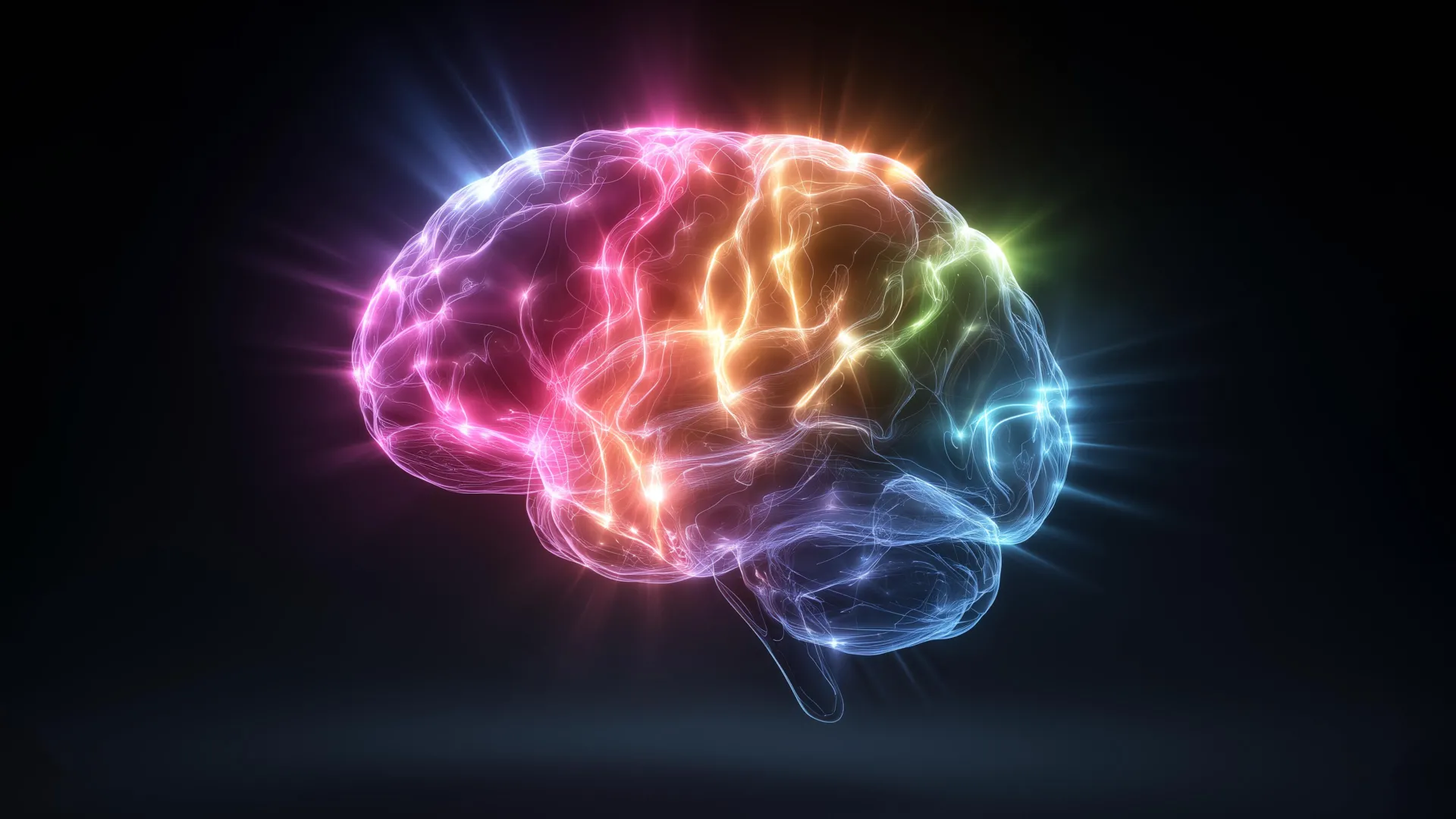
Recent research indicates a potential correlation between vitamin C levels and brain health, specifically regarding the maintenance of gray matter and cognitive function in older adults. A study involving more than 2,000 participants in Japan suggests that individuals with lower concentrations of vitamin C in their blood may exhibit reduced gray matter and weaker connections in a key brain network involved in memory, attention, and other cognitive functions.
I frequently discuss the importance of micronutrients with patients, yet the specific role of vitamin C—an essential antioxidant—in neurological aging remains a subject of ongoing clinical investigation. This study provides a window into how systemic nutritional status might influence neuroanatomical integrity as we age. While these results are observational, they contribute to a growing body of evidence regarding the “brain-gut” and “brain-nutrient” axes in public health.
The Connection Between Micronutrients and Neuroanatomy
The research utilized blood samples and magnetic resonance imaging (MRI) to analyze the relationship between vitamin C and brain structure. The team observed that participants with lower plasma vitamin C levels demonstrated a statistically significant decrease in gray matter density in specific cortical regions. These regions are primary drivers of executive function, including cognitive processing speed, focus, and memory retrieval.
Vitamin C, or ascorbic acid, is a potent antioxidant that helps neutralize free radicals, which are known to cause oxidative stress—a factor heavily implicated in neuronal damage. In the brain, the high metabolic activity of neurons makes them particularly susceptible to this oxidative burden. By supporting the body’s antioxidant defense system, vitamin C may help mitigate the cellular degradation that often accompanies the natural aging process.
Understanding Gray Matter and Cognitive Function
Gray matter consists primarily of neuronal cell bodies and is responsible for muscle control, sensory perception, and decision-making. As individuals age, a certain degree of gray matter atrophy is considered typical; however, the rate of this decline can vary based on lifestyle, genetics, and nutritional intake. The study emphasizes that the integrity of white matter—the “cabling” that connects different brain regions—was also associated with vitamin C levels, suggesting a broader impact on global brain connectivity.

For those interested in maintaining cognitive health, these findings highlight the necessity of a balanced diet. Vitamin C is found in high concentrations in many common foods, including citrus fruits, bell peppers, strawberries, and broccoli. Unlike some other vitamins, the human body cannot synthesize vitamin C, making regular dietary intake essential for maintaining optimal blood plasma levels.
Limitations and Future Directions in Research
It is important to interpret these findings within the context of clinical research. Because this study was cross-sectional, it identifies a link but does not definitively prove that vitamin C supplementation will prevent cognitive decline or increase gray matter volume. Other factors—such as physical activity, socioeconomic status, and overall dietary patterns—often overlap with nutritional status, making it difficult to isolate the effect of a single vitamin.
Future longitudinal studies are required to determine if increasing vitamin C intake through diet or supplementation can slow the rate of brain atrophy in aging populations. Researchers are currently looking at larger, more diverse cohorts to see if these trends in the Japanese population hold true across different environmental and genetic backgrounds. The next phase of this research is expected to involve controlled clinical trials to assess whether targeted nutritional interventions can produce measurable changes in neuroimaging markers over time.
For now, maintaining a diet rich in fruits and vegetables remains a cornerstone of preventative health. Readers are encouraged to consult with their primary care physicians before beginning any new supplement regimen, as excessive intake of vitamin C can interact with certain medications or underlying health conditions. We continue to monitor developments in this field and will provide updates as new, peer-reviewed data becomes available. Please feel free to share your thoughts or questions in the comments section below.