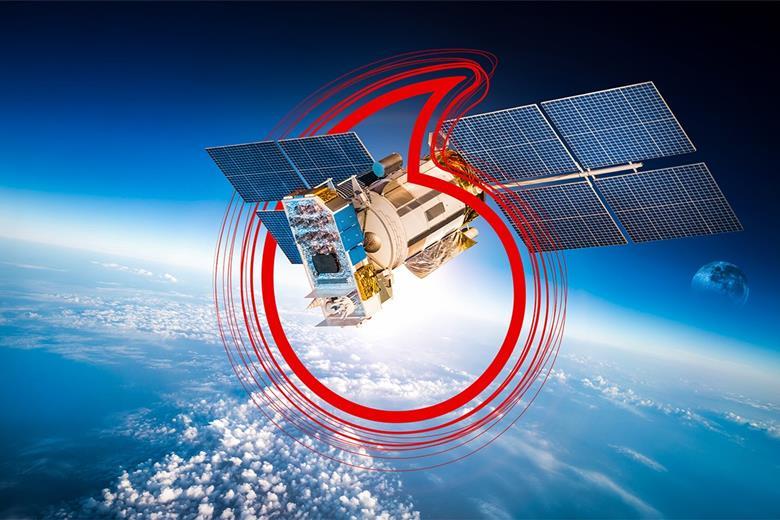
Bucharest, Romania – Vodafone Romania and Satellite Connect Europe are joining forces to bring satellite connectivity directly to mobile devices, a move poised to eliminate dead zones and enhance communication capabilities across the country. The partnership, announced today, will initially focus on testing ‘direct to device’ (D2D) technology in Romania starting in the summer of 2026, marking a significant step towards ubiquitous mobile coverage.
This collaboration addresses a critical need for reliable connectivity, particularly in rural and isolated areas where traditional cellular infrastructure is limited or non-existent. The initiative aims to seamlessly integrate satellite capabilities into existing 4G and 5G networks, allowing smartphones to automatically switch between terrestrial and satellite signals, ensuring uninterrupted service. The implications extend beyond personal convenience, promising enhanced safety and communication for emergency services during severe weather events, major incidents, and potential cross-border crises.
The move comes as satellite technology is increasingly viewed as a vital component of future telecommunications infrastructure. Vodafone’s commitment to this technology aligns with broader European regulatory frameworks and spectrum usage requirements, signaling a strategic investment in the future of connectivity. The company intends to function alongside other European mobile operators, EU institutions, and member states to establish a harmonized framework for D2D satellite services, streamlining authorization procedures and fostering innovation.
Expanding Connectivity Through Direct-to-Device Technology
The core of this partnership lies in the implementation of D2D satellite technology. Currently, smartphones rely entirely on terrestrial cell towers for connectivity. Although, D2D allows devices to connect directly to satellites orbiting the Earth, bypassing the need for local infrastructure. This is particularly crucial in areas with sparse populations or challenging terrain where building and maintaining cell towers is cost-prohibitive or logistically difficult. According to Vodafone, this technology will reduce coverage gaps and enhance security, especially for vulnerable communities.
Nedim Baytorun, CEO of Vodafone Romania, emphasized the company’s dedication to connecting Romania and its citizens. “Our partnership with Satellite Connect Europe and today’s announcement regarding upcoming trials are a testament to our efforts to connect Romania and Romanians,” Baytorun stated. “We look forward to beginning and being able to bring together mobile and satellite networks to offer our customers coverage through innovative connectivity solutions, as part of our promise to Romania.”
Meredith Sharples, Director General of Satellite Connect Europe, echoed this sentiment, highlighting the importance of a European satellite connectivity service. “We are delighted to announce this collaboration with Vodafone Romania, a company that recognizes the importance of a European satellite connectivity service direct to device,” Sharples said. “This is an important step forward for mobile service users across Europe and demonstrates how leading European operators are increasingly confident in Satellite Connect Europe.”
The Technical Integration: 4G, 5G, and Satellite Networks
The integration of satellite connectivity into existing 4G and 5G networks is a complex undertaking. The technology will require smartphones equipped with specialized chipsets capable of receiving and processing satellite signals. The seamless handover between terrestrial and satellite networks will be crucial to ensure a smooth user experience. Users should not experience any interruption in service as their devices switch between the two networks. This automatic switching capability is a key feature of the D2D technology.
Satellite Connect Europe is a key player in developing this technology. The company focuses on building a pan-European satellite network designed to provide reliable connectivity across the continent. Their collaboration with Vodafone Romania represents a significant milestone in their efforts to bring this technology to market. The initial trials in Romania will serve as a testing ground for the technology, allowing Vodafone and Satellite Connect Europe to refine the system and address any technical challenges before a wider rollout.
Benefits Beyond Consumer Convenience
While improved mobile coverage for consumers is a primary benefit, the implications of this partnership extend far beyond personal use. Reliable satellite connectivity is critical for public safety, particularly for emergency services. During natural disasters or other crises, traditional communication networks can become overwhelmed or damaged. Satellite connectivity provides a resilient backup, ensuring that first responders can maintain communication and coordinate their efforts effectively. This is especially important in Romania, which is prone to severe weather events, including floods and earthquakes.
The technology also has the potential to bridge the digital divide, providing access to essential services for communities that have historically been underserved. Access to reliable internet connectivity is increasingly essential for education, healthcare, and economic development. By extending coverage to remote areas, this partnership can help to level the playing field and create new opportunities for individuals and businesses.
European Regulatory Landscape and Future Development
Vodafone’s commitment to developing satellite services aligns with the European Union’s broader efforts to promote connectivity and digital inclusion. The EU has been actively working to establish a regulatory framework that supports the development and deployment of satellite technologies. This includes streamlining authorization procedures and ensuring that satellite services are interoperable with existing terrestrial networks. The collaboration between Vodafone and Satellite Connect Europe is expected to contribute to these efforts, helping to shape the future of satellite connectivity in Europe.
The companies plan to collaborate with other mobile operators, EU institutions, and member states to develop a harmonized European framework for D2D satellite services. This framework will address key issues such as spectrum allocation, regulatory compliance, and data security. A standardized approach will be essential to ensure that satellite services can be deployed efficiently and effectively across the continent.
Looking Ahead: Trials and Wider Rollout
The initial trials of the D2D satellite technology are scheduled to begin in Romania in the summer of 2026. These trials will involve testing the technology in a variety of real-world scenarios, including rural areas, mountainous regions, and areas prone to natural disasters. Vodafone and Satellite Connect Europe will collect data on the performance of the technology and use this information to optimize the system. The results of the trials will be crucial in determining the feasibility of a wider rollout.
While the initial focus is on Romania, the partnership has the potential to expand to other European countries. Satellite Connect Europe is actively working to build a pan-European satellite network, and Vodafone has a significant presence in several other European markets. The success of the trials in Romania could pave the way for similar deployments in other countries, bringing the benefits of satellite connectivity to a wider audience.
The development of D2D satellite technology represents a significant advancement in the field of telecommunications. By seamlessly integrating satellite capabilities into existing mobile networks, Vodafone Romania and Satellite Connect Europe are paving the way for a future where ubiquitous connectivity is a reality. This partnership not only promises to enhance the mobile experience for consumers but also to improve public safety, bridge the digital divide, and drive economic growth.
The next key milestone will be the commencement of the trials in the summer of 2026, providing valuable data and insights into the performance of the D2D technology. We will continue to follow this story as it develops, providing updates on the progress of the trials and the potential for wider rollout. Share your thoughts on this exciting development in the comments below, and be sure to share this article with your network.
Worth a look