
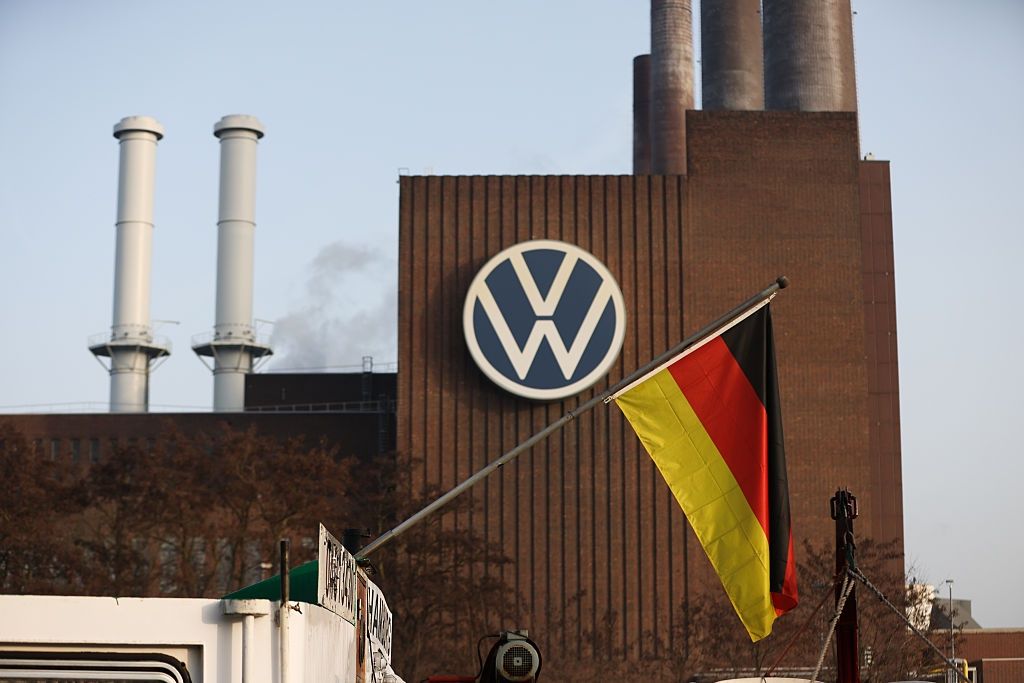
Volkswagen AG is shifting its strategic focus toward China and the United States to counter declining demand and high production costs in Germany, according to company reports and industry analysis. This pivot comes as the German automotive giant faces a critical period of restructuring to protect its margins amid a global transition to electric vehicles and intensifying competition from Chinese manufacturers.
The move signals a growing tension between Volkswagen’s corporate survival and its role as a pillar of the German industrial economy. While the company seeks growth in the North American and Chinese markets, the shift threatens thousands of jobs at its domestic plants in Wolfsburg and beyond, according to reports from Reuters and the German news agency DPA.
Volkswagen is currently navigating a complex environment where high energy costs in Germany and a slowdown in European EV adoption are eroding the competitiveness of its home-base operations. By prioritizing the U.S. and China, the company aims to leverage higher-margin luxury segments in America and the sheer scale of the world’s largest auto market in China.
Why is Volkswagen shifting focus away from Germany?
The decision stems from a combination of systemic economic pressures and a failure to maintain dominant market share in the electric vehicle (EV) sector. According to Volkswagen Group’s official corporate reports, the company is implementing a comprehensive performance program to reduce costs and improve efficiency across its brands.
High energy prices in Germany, exacerbated by the loss of cheap Russian gas following the 2022 invasion of Ukraine, have made domestic manufacturing significantly more expensive than in the U.S. or China. Furthermore, the German government’s abrupt end to EV subsidies in December 2023 led to a sharp drop in domestic demand, forcing the company to scale back production at several German facilities.
In China, Volkswagen faces a “perfect storm” of competition from local brands like BYD. To survive, the company is moving toward a “In China, for China” strategy, which involves partnering with local tech firms and developing software and hardware specifically for the Chinese consumer rather than exporting German-engineered platforms.
How will the U.S. and China strategies differ?
The strategy for the United States focuses on high-value segments and capitalizing on the Inflation Reduction Act (IRA). Under the IRA, EVs assembled in North America qualify for significant tax credits, which has incentivized Volkswagen to increase its investment in U.S.-based production, such as its Chattanooga plant in Tennessee.
In contrast, the China strategy is about agility and localization. Volkswagen recently entered a partnership with Xpeng to co-develop two new EV models for the Chinese market. This partnership allows Volkswagen to utilize Xpeng’s advanced software and electronics architecture to close the gap with local rivals who are currently outpacing the German giant in digital cockpit and autonomous driving features.
According to financial filings, the company is attempting to balance these two pillars: using the U.S. for profitability and stability, while using China for volume and technological evolution.
What are the consequences for German workers?
The shift has sparked alarm among German labor unions and political leaders. For the first time in the company’s history, Volkswagen has suggested that plant closures in Germany could become necessary. The company’s works council, which holds significant power over corporate decisions, is currently negotiating how to mitigate these losses.
The potential for job cuts is tied to the company’s need to lower its “break-even” point. Industry analysts report that Volkswagen’s labor costs in Germany are among the highest in the world, making it difficult to compete with the lean operations of Tesla or the state-supported manufacturers in China.
The German government has expressed concern that a retreat by Volkswagen would trigger a broader industrial decline, as the automotive sector remains the backbone of the nation’s export-driven economy.
Comparing the Market Pressures
The challenges facing Volkswagen vary significantly by region, as shown in the following comparison of market dynamics:

| Region | Primary Challenge | Strategic Response |
|---|---|---|
| Germany/EU | High energy costs; subsidy withdrawal | Cost-cutting; performance programs |
| China | Hyper-competition from local EV brands | Localization; Xpeng partnership |
| United States | Regulatory requirements for tax credits | Domestic production expansion (IRA) |
What happens next for Volkswagen?
The company is now focused on the rollout of its next generation of software and EV platforms, which are intended to fix the glitches that plagued early ID-series models. The success of these launches in the U.S. and China will determine if the company can sustain its global leadership without relying on the traditional German manufacturing model.
The next critical checkpoint will be the release of the company’s next quarterly financial results and the subsequent labor negotiations with the works council regarding the 2025 production schedule. These discussions will clarify whether plant closures in Germany are an inevitability or a bargaining chip for restructuring.
We invite readers to share their perspectives on the shift of industrial power from Europe to Asia and North America in the comments below.