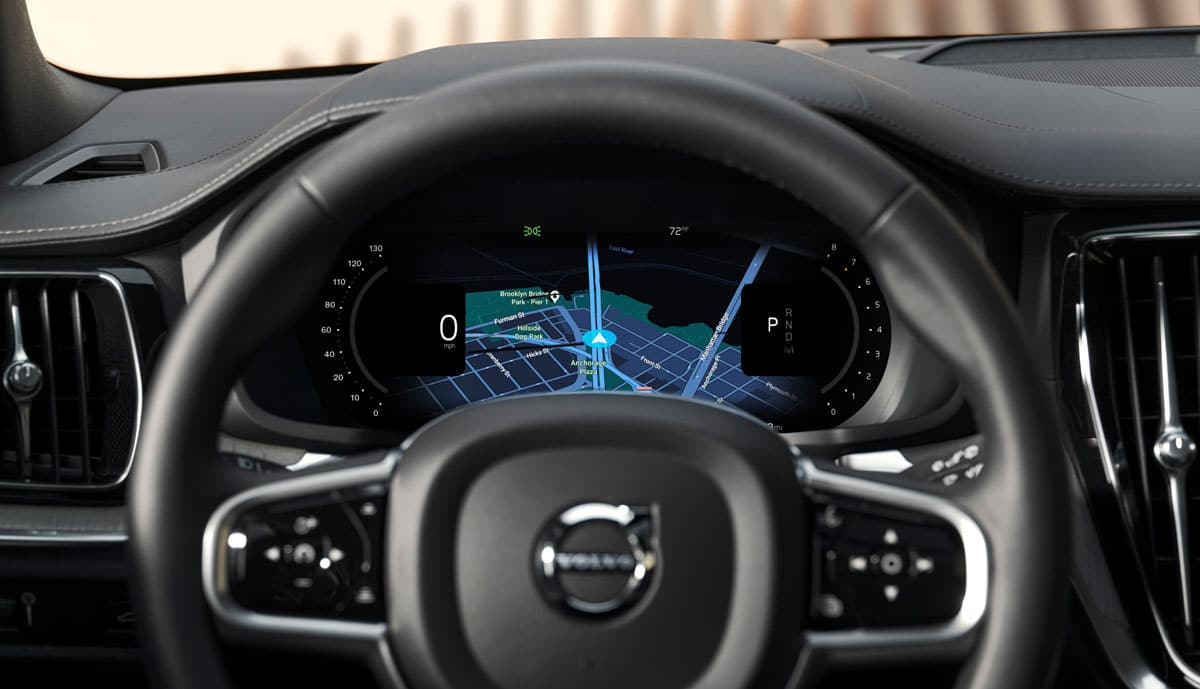
San Francisco, CA – Volvo Cars is rolling out what it calls its largest ever over-the-air (OTA) software update, a significant move aimed at enhancing the driving experience for approximately 2.5 million vehicle owners across 85 countries. The update, dubbed “Volvo Car UX,” introduces a redesigned user interface intended to streamline in-car technology and provide quicker access to frequently used features. This substantial software overhaul, beginning this week, underscores a growing trend in the automotive industry towards software-defined vehicles and continuous improvement through remote updates.
The revamp centers around a more intuitive layout for the central touchscreen, reducing the number of steps required to access common functions like navigation, media controls, and phone connectivity. According to Volvo, the update is free of charge for owners of models equipped with Google built-in, extending to vehicles manufactured as far back as 2020. This commitment to ongoing software support is becoming a key differentiator for automakers, allowing them to add features and address issues long after a vehicle leaves the factory floor. The move reflects a broader industry shift, where software is increasingly viewed as a critical component of the overall vehicle ownership experience.
Anders Bell, Chief Engineering & Technology Officer at Volvo Cars, stated that the update “is one of the largest over-the-air updates in automotive history, leveraging years of investment in Volvo Cars’ tech stack to improve life with their cars for millions of people.” He further emphasized that the improvements directly address customer needs and desires, focusing on the areas drivers use most frequently. This customer-centric approach is evident in the redesign, which prioritizes ease of use and accessibility.
A Recent Interface Built on Android Automotive
The Volvo Car UX is built upon the Android Automotive operating system, providing seamless integration with Google services. This foundation allows for a more fluid and responsive user experience, as well as access to a growing ecosystem of apps and features. The update aims to simplify interactions with the vehicle’s infotainment system, making it easier for drivers to stay connected and informed even as on the road. The Android Automotive OS, unlike Android Auto, runs directly on the vehicle’s hardware, offering greater customization and control for automakers like Volvo.
One of the most noticeable changes is a redesigned home screen. Frequently used apps – including navigation, media players, and phone functions – are now more prominently displayed, reducing the need to navigate through multiple menus. Volvo highlights the ability to adjust music playback without leaving the navigation display as a prime example of this improved functionality. A new contextual bar dynamically adapts to driving conditions, displaying recently used apps for quick access. At lower speeds, the system can also display shortcuts to exterior camera views, assisting with maneuvering in tight spaces.
Enhanced Features for Hybrid Drivers and Future Capabilities
For drivers of Volvo plug-in hybrid models, the update introduces a simplified way to access the “Pure” electric-only driving mode. This mode is now directly accessible from the home screen, allowing drivers to switch to all-electric operation with a single tap. This feature caters to the growing demand for electric driving and provides a convenient way for hybrid owners to reduce their emissions. The ease of access to the “Pure” mode underscores Volvo’s commitment to sustainable mobility.
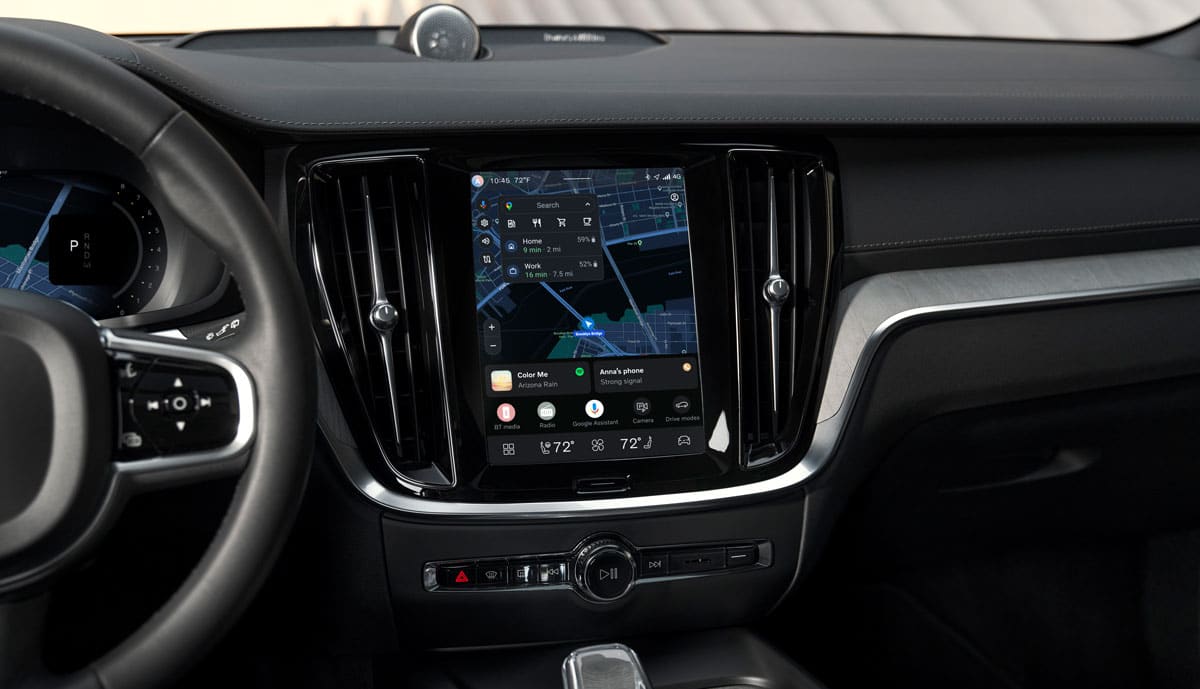
Beyond the immediate interface improvements, the update lays the groundwork for future features. Volvo will soon offer the Pilot Assist driver-assistance system as a downloadable purchase for eligible vehicles, expanding access to advanced safety technologies. Perhaps even more significantly, the update prepares vehicles for the integration of Google Gemini, a conversational AI system expected later this spring. Google Gemini is poised to revolutionize the in-car experience, enabling drivers to interact with their vehicles using natural language.
The Rise of Software-Defined Vehicles
Volvo’s substantial OTA update is emblematic of a broader trend in the automotive industry: the rise of the software-defined vehicle. Traditionally, car features were largely fixed at the time of manufacture. However, with the advent of powerful processors, robust connectivity, and operating systems like Android Automotive, automakers can now deliver new features and improvements through software updates, much like smartphones. This approach allows for continuous innovation and extends the lifespan of vehicles. The ability to add features like Pilot Assist post-purchase demonstrates the potential of this model.
This shift also has implications for vehicle ownership. The potential for subscription-based features, like Pilot Assist, could create new revenue streams for automakers and offer customers greater flexibility. However, it also raises questions about long-term costs and the potential for vendor lock-in. The success of this model will depend on automakers striking a balance between providing value to customers and generating sustainable revenue.
The update aims to create a consistent infotainment experience across Volvo’s range, bringing interface improvements to older models like the XC40 that rival those found in newer vehicles like the EX90. This commitment to supporting older vehicles demonstrates Volvo’s dedication to providing a premium experience for all its customers. The company’s investment in its tech stack is clearly paying dividends, allowing it to deliver significant improvements to a vast fleet of vehicles.
Volvo’s massive software update represents a significant step forward in the evolution of the modern automobile. By prioritizing user experience, embracing over-the-air updates, and integrating advanced technologies like Google Gemini, Volvo is positioning itself at the forefront of the software-defined vehicle revolution. The company plans to continue rolling out the update in the coming weeks, and drivers can expect further enhancements and new features in the future.
The next major development to watch for is the integration of Google Gemini into compatible Volvo vehicles later this spring. Volvo has not yet announced a specific date, but further details are expected in the coming months. We will continue to follow this story and provide updates as they become available. What are your thoughts on Volvo’s latest update? Share your comments below.
Related reading