Leipzig’s medical community is increasingly integrating robotic-assisted surgical systems into routine clinical practice, aiming to improve procedural precision and patient recovery times. Both the Herzzentrum Leipzig and the Helios Park-Klinikum Leipzig have adopted advanced robotic platforms to perform complex interventions in cardiac and abdominal surgery, marking a shift in how regional healthcare providers approach minimally invasive medicine.
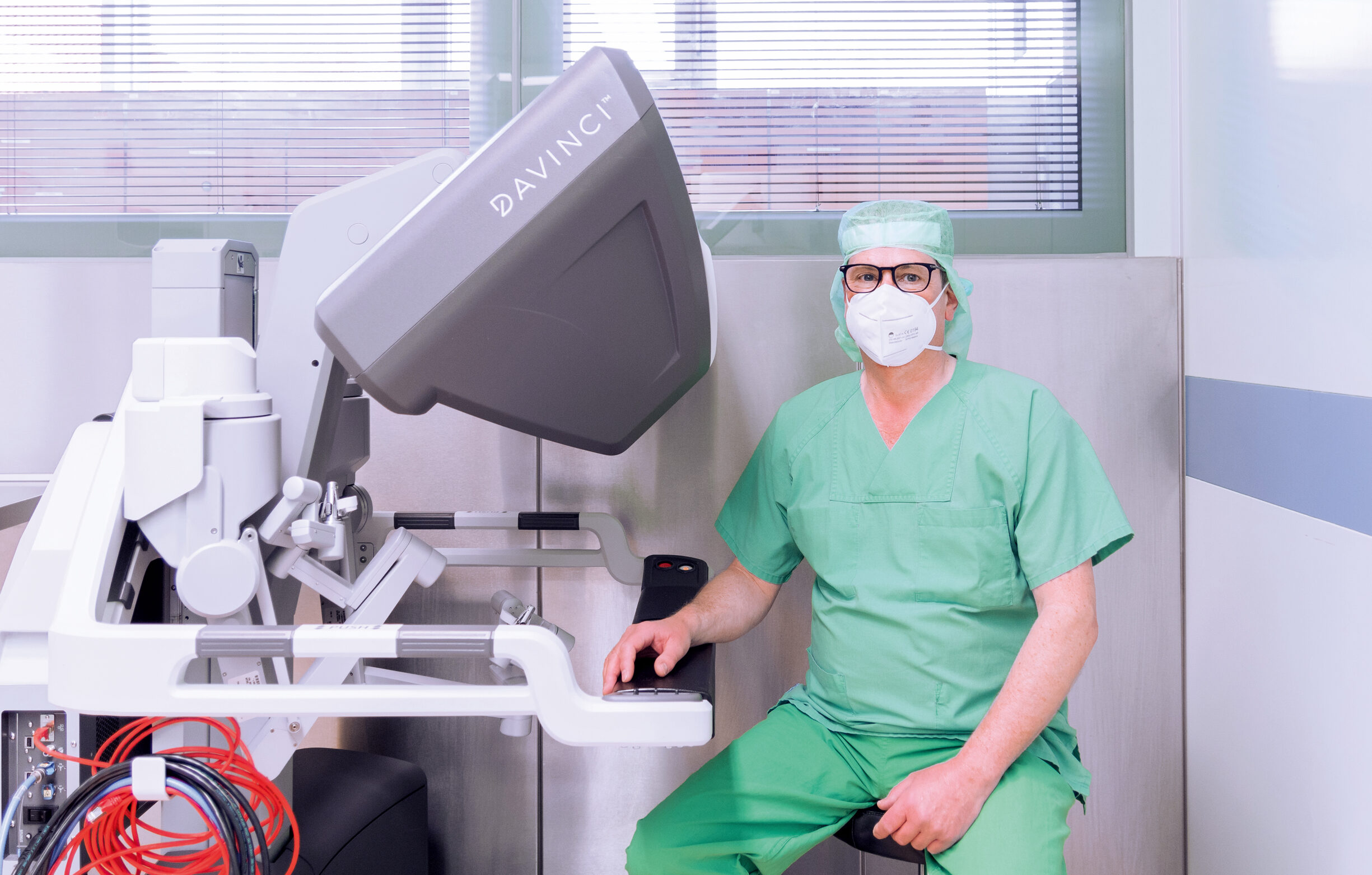
Robotic surgery, often referred to as computer-assisted surgery, allows surgeons to operate with enhanced dexterity and three-dimensional visualization. According to Helios Kliniken, these systems translate a surgeon’s hand movements into smaller, more precise motions, which can reduce trauma to surrounding tissue. This technological shift is part of a broader trend in German healthcare to utilize digital innovation to address challenges in surgical accuracy and post-operative healing.
How Robotic Systems Enhance Surgical Precision
The primary advantage of robotic-assisted platforms lies in the stabilization and magnification of the surgical field. Surgeons at the Helios Park-Klinikum report that the systems provide a high-definition, 3D view of the anatomy, which is particularly beneficial for complex procedures in the abdominal and thoracic cavities. By minimizing the size of incisions, the technology is designed to reduce blood loss and the risk of infection during the recovery process.

At the Herzzentrum Leipzig, the focus remains on cardiac applications. Robotic systems are used to assist in procedures where traditional open-heart surgery might otherwise be required. By using specialized robotic arms, surgeons can navigate the confined spaces of the chest with greater control. The Herzzentrum Leipzig, a facility known for its specialization in cardiovascular medicine, integrates these tools to maintain high standards of patient care while optimizing the efficiency of the operating theater.
Clinical Outcomes and Recovery Benefits
Patient recovery is a central metric for both institutions. Clinical data suggests that minimally invasive techniques—facilitated by robotics—often lead to shorter hospital stays and faster returns to daily activities. Because the robotic instruments allow for smaller incisions compared to traditional “open” surgery, patients frequently experience less post-operative pain and a reduced need for pain management medication.
However, the adoption of these platforms requires significant investment in specialized training. According to the German Federal Ministry of Health, the digitalization of hospital infrastructure is a key component of national healthcare strategy, supported by ongoing efforts to standardize robotic training for surgical teams. Surgeons must complete rigorous certification processes to operate these systems, ensuring that the transition to automation does not compromise the human oversight essential to patient safety.
The Future of Digital Integration in Leipzig Hospitals
The implementation of these technologies in Leipzig reflects a wider shift across Germany’s hospital landscape toward “smart” surgical environments. As hospitals upgrade their infrastructure, the focus is shifting toward long-term data collection to measure the efficacy of robotic systems against traditional methods. This involves tracking longitudinal patient outcomes, such as long-term survival rates and the incidence of surgical complications.
For patients, the decision to use a robotic system is typically made based on the specific clinical requirements of the case. While robotic surgery offers significant advantages, it is not a universal replacement for all surgical procedures. Medical professionals at both the Herzzentrum and Helios Park-Klinikum emphasize that the surgeon’s expertise remains the most critical factor in a successful outcome. The robot functions as a tool to augment human capability, not as a replacement for surgical judgment.
Frequently Asked Questions
Is robotic surgery performed by a computer?
No. The robot does not act autonomously. Every movement is controlled by a surgeon sitting at a console, who directs the robotic instruments in real-time. The system filters out natural hand tremors and provides enhanced precision.
Are there higher risks associated with robotic surgery?
Robotic surgery is generally considered as safe as traditional surgery when performed by trained professionals. All surgeries carry inherent risks, and the decision to use a robot is determined by the patient’s medical history and the complexity of the procedure.
Where can patients find more information?
Patients interested in specific procedures should consult their primary care physician or contact the surgical departments at the Herzzentrum Leipzig or Helios Park-Klinikum Leipzig directly. These institutions provide consultations that outline the potential benefits and limitations of robotic-assisted interventions for individual cases.
The next phase for these clinical centers involves the expansion of robotic capabilities into additional surgical disciplines, such as urology and gynecology, as part of their ongoing commitment to surgical innovation. Updates regarding new surgical equipment or departmental certifications will be published through the official portals of the respective medical centers.
Related reading