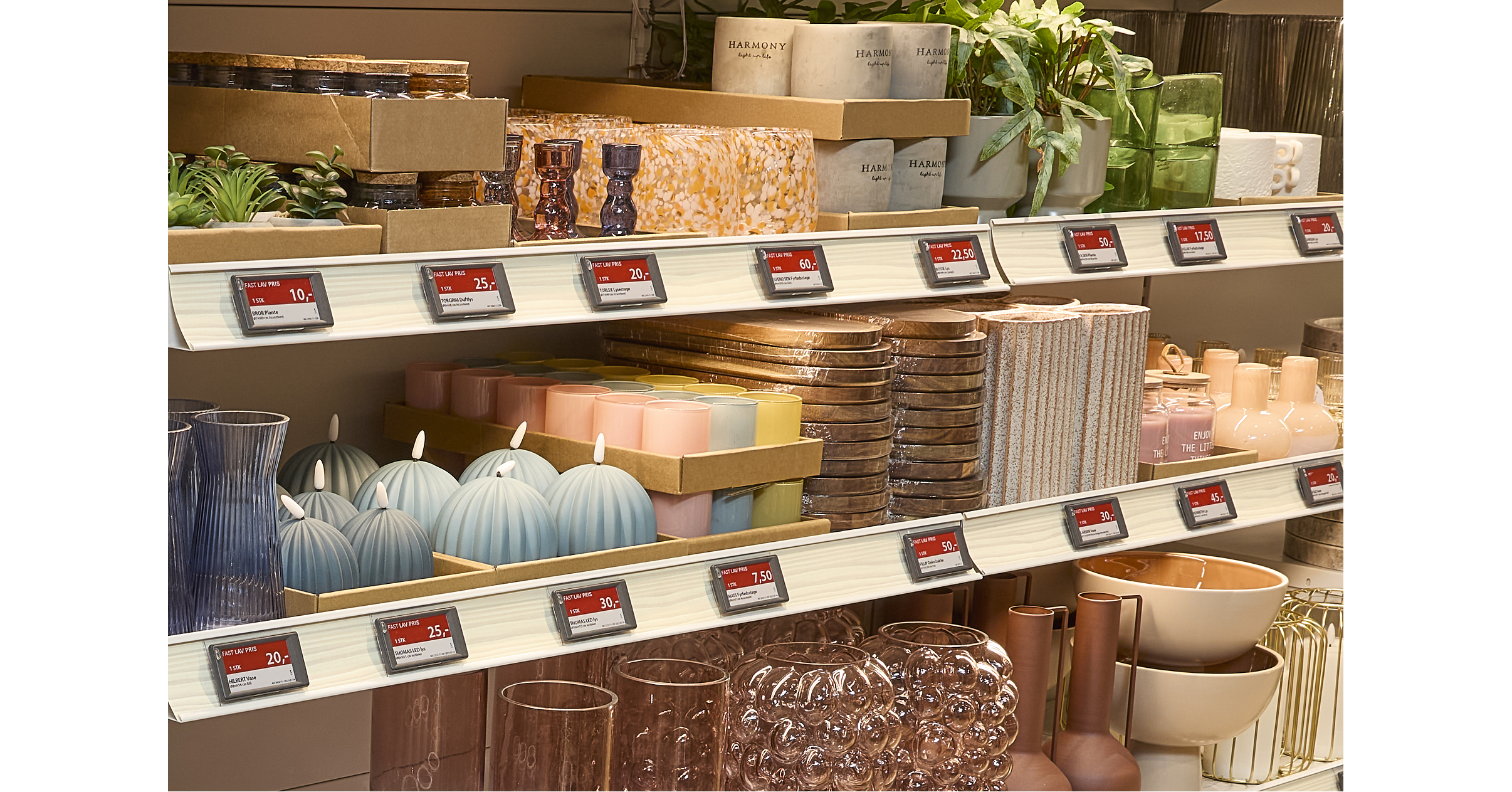
VusionGroup, a global provider of electronic shelf labeling (ESL) and digital automation solutions for physical retail, has confirmed an extension of its long-standing partnership with the Danish home goods retailer JYSK. The agreement scales the deployment of Vusion’s IoT-driven digital solutions across JYSK’s extensive European retail network, aiming to accelerate store digitalization and improve operational efficiency for the retailer’s thousands of locations.
This expansion continues a collaboration that has spanned several years, focusing on replacing traditional paper price tags with Vusion’s cloud-connected electronic labels. According to official company disclosures, the technology is designed to enable real-time price updates, inventory management, and improved customer engagement at the shelf edge. The partnership underscores a broader industry shift toward “phygital” retail, where physical storefronts integrate software-driven automation to match the speed and agility of e-commerce platforms.
Scaling Digital Infrastructure Across European Markets
The extended contract covers JYSK’s operations across multiple European countries, a region where the retailer maintains a significant physical footprint. JYSK, which operates over 3,300 stores globally as noted in its official corporate profile, has prioritized the integration of Vusion’s VUSION Cloud platform to synchronize pricing and promotional data across its international chain. By centralizing management of these digital assets, the retailer aims to reduce manual labor costs associated with manual price changes and mitigate errors in labeling.
VusionGroup, formerly known as SES-imagotag, has positioned itself as a major player in the retail tech sector, reporting a global reach that includes deployments in over 35,000 stores worldwide. The company’s focus remains on utilizing artificial intelligence and IoT sensors to provide real-time data to store managers. For JYSK, this means the ability to execute company-wide pricing strategies instantly, a critical requirement for maintaining competitiveness in the high-volume home furniture and decor market.
Why Retailers are Adopting Shelf-Edge Automation
The retail industry is currently undergoing a period of intense digital transformation driven by rising labor costs and the need for better data accuracy. Research from industry analysts highlights that automated shelf-edge technology is no longer viewed as a luxury but as a core requirement for omnichannel retail. By implementing Vusion’s systems, JYSK is able to bridge the gap between its online storefront and physical aisles, ensuring that customers encounter consistent pricing regardless of where they shop.
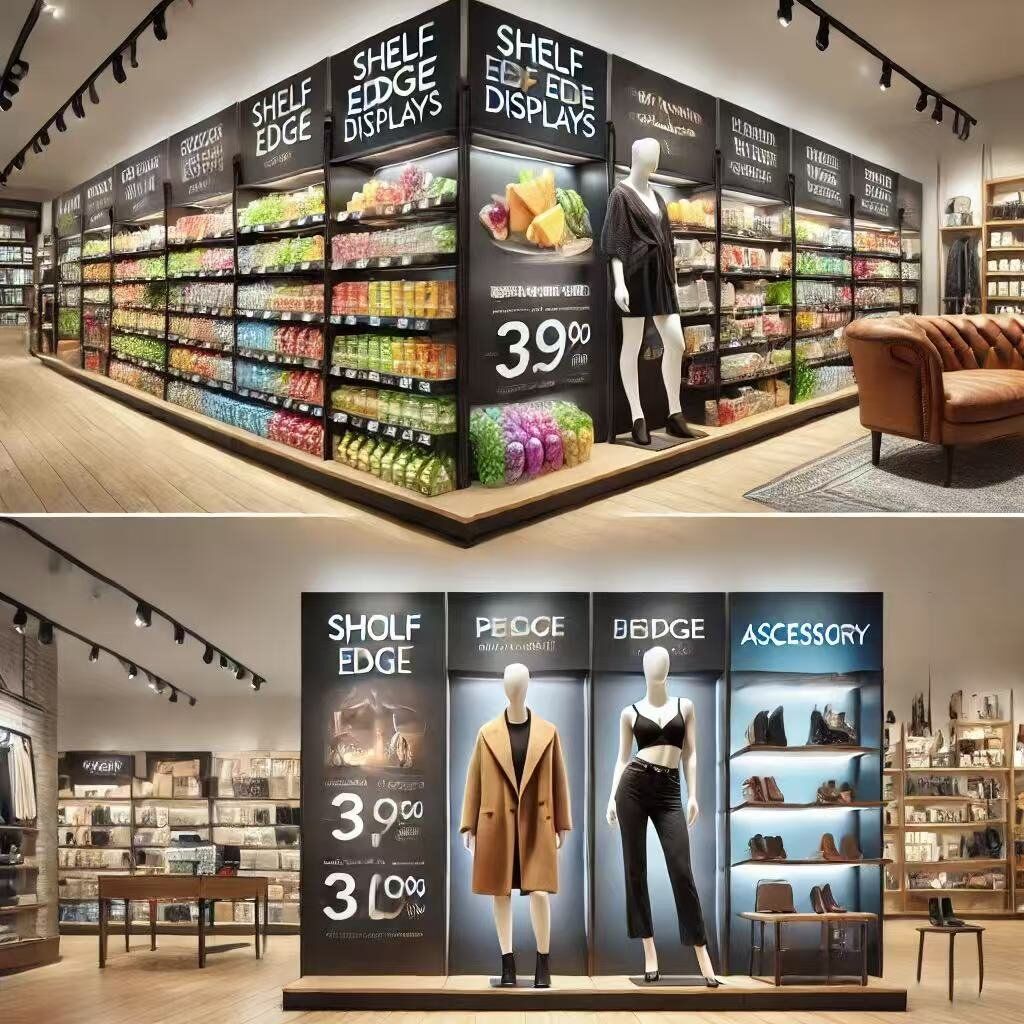
Beyond simple pricing updates, these digital labels serve as a foundation for advanced retail analytics. Vusion’s systems can integrate with inventory management software to alert staff when stock levels are low or when a product needs replenishment, a process known as automated replenishment signaling. This data-driven approach allows retailers to optimize shelf space and ensure that popular items remain available, directly impacting the bottom line.
Operational Impact and Future Outlook
For VusionGroup, the JYSK partnership represents a validation of its scalability. Managing a multi-country rollout requires robust cloud infrastructure capable of handling millions of data points simultaneously without latency. The company’s investor relations documentation emphasizes that its software-as-a-service (SaaS) model provides recurring revenue streams, which are bolstered by long-term contracts with major retailers such as JYSK. This stability is significant for a company operating in the volatile hardware-plus-software sector.
As JYSK continues to renovate its older stores and open new locations, the integration of digital labels remains a standard part of its store design. The partnership does not have a fixed end date, but rather operates as a continuous framework for technological upgrades. Future phases of the collaboration are expected to focus on further integrating AI-driven insights, such as predictive analytics for customer traffic and automated planogram compliance.
Industry Context: The Shift to Smart Retail
The retail landscape is increasingly defined by the competition between legacy physical retailers and digital-native companies. According to market data from Reuters financial reports regarding VusionGroup (listed on Euronext as VU), the demand for smart retail solutions has remained resilient despite broader economic headwinds in Europe. This suggests that retailers are prioritizing capital expenditure on technology that yields measurable efficiency gains over time.
The collaboration between Vusion and JYSK serves as a case study for mid-to-large-sized retailers looking to digitize their operations. By focusing on the “last meter” of the retail experience—the shelf edge—companies can capture data that was previously invisible to management. As this trend accelerates, the role of providers like Vusion is likely to expand from simple labeling to comprehensive store management ecosystems.
There are no further public filings or scheduled press conferences regarding the specific terms or financial value of this contract extension. Stakeholders and investors can monitor the company’s official newsroom for future updates on regional rollouts or new technological integrations. For more insights on the future of retail automation, readers are encouraged to share this article or join the discussion in the comments section below.