
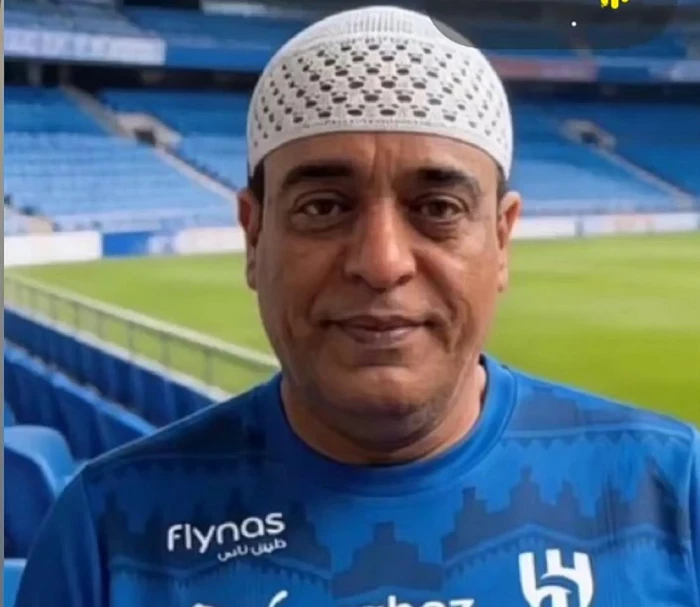
The intersection of professional sports journalism and raw fandom has once again sparked a heated debate in Saudi Arabia, this time centering on one of the region’s most recognizable media personalities. Walid Al-Farraj, a prominent figure in Saudi sports broadcasting, has found himself at the center of a social media storm following a candid post on his Snapchat account.
The controversy began when Al-Farraj shared a photo depicting himself in a state of high celebration, wearing an Al-Hilal SFC jersey and a traditional cap while playing a drum. While such displays of passion are common among the millions of supporters of the Riyadh-based club, the imagery has triggered a divide among viewers regarding the expected conduct of senior sports journalists.
For a global audience, the incident highlights the unique tension within the Saudi Pro League’s media ecosystem, where the lines between objective analysis and tribal loyalty are frequently blurred. As the league continues to attract international superstars and global viewership, the behavior of its primary messengers is under increasing scrutiny.
The Viral Image and the ‘Fan-Journalist’ Dilemma
The image, posted to Al-Farraj’s Snapchat, captured a moment of unrestrained joy. Dressed in the blue colors of Al-Hilal SFC, one of Asia’s most decorated football clubs, Al-Farraj was seen playing a traditional drum, a common sight in the celebratory atmosphere of Saudi football stadiums. The post was quickly mirrored across other platforms, including X (formerly Twitter), where it became a catalyst for a wider discussion on media ethics.
The core of the controversy lies in the perceived conflict of interest. Critics argue that a journalist of Al-Farraj’s stature—known for providing analysis and commentary that influences public opinion—should maintain a degree of professional distance from the clubs he covers. To these detractors, the image of a senior editor or presenter openly celebrating in team gear and playing instruments suggests a bias that could undermine the perceived neutrality of his reporting.
Conversely, a significant portion of the sporting community views the post as an authentic expression of identity. In many football-centric cultures, the fan-journalist
is a recognized archetype. Supporters of Al-Farraj argue that transparency about one’s loyalties is more honest than pretending to be neutral while harboring a lifelong passion for a specific club.
Cultural Context: The Weight of the Al-Hilal Brand
To understand why a photo of a man with a drum causes a national conversation, one must understand the cultural weight of Al-Hilal. The club is not merely a sports team but a symbol of excellence and dominance in the region. Their consistent success in the AFC Champions League and domestic competitions creates a high-pressure environment where every action by a public figure associated with the club is analyzed.
The rivalry between Al-Hilal and other major Saudi clubs, most notably Al-Nassr, adds a layer of volatility to the discourse. In the highly charged atmosphere of the Saudi Pro League, displays of exuberance are often interpreted by opposing fanbases as provocation. When a media personality enters this fray, the reaction is amplified by the professional platform they occupy.
This dynamic is further complicated by the rise of social media. Platforms like Snapchat allow public figures to project a “behind-the-scenes” persona that is more casual than their televised appearances. Still, as this incident proves, the boundary between a private social media story and a public professional statement is virtually non-existent for high-profile journalists.
The Evolving Standards of Sports Media in the Gulf
The debate surrounding Walid Al-Farraj reflects a broader transition occurring within Middle Eastern sports media. Traditionally, sports reporting in the region was often characterized by overt passion and loyalty. However, as the Saudi Pro League integrates into the global footballing landscape—bringing in figures like Cristiano Ronaldo and Neymar—there is a growing push toward Western-style journalistic standards of objectivity.
This shift creates a friction point. On one hand, the “passion” of the local reporter is what draws in the domestic audience; on the other, “objectivity” is what grants credibility with international partners and broadcasters. Al-Farraj, as a veteran of the industry, sits at the crossroads of these two philosophies.
Industry observers note that the controversy is less about the act of drumming and more about the symbol of the jersey. In the eyes of traditionalists, the jersey is a uniform of loyalty that is incompatible with the “uniform” of the press. To the modern digital creator, the jersey is simply part of the storytelling process, humanizing the journalist to the audience.
Key Perspectives on the Controversy
| Perspective | Primary Argument | View on Professionalism |
|---|---|---|
| The Critics | Journalists must remain neutral to ensure fair reporting. | Open fandom undermines professional credibility. |
| The Supporters | Authenticity builds a stronger connection with the audience. | Passion for the game enhances the quality of analysis. |
| The Pragmatists | Social media is a separate space from official broadcasts. | Personal expression is acceptable outside of operate hours. |
What This Means for the Future of Saudi Sports Coverage
As the Saudi Pro League continues its aggressive expansion, the role of the sports journalist is being redefined. The Al-Farraj incident serves as a case study in the challenges of maintaining a professional brand in an era of total connectivity. It raises a fundamental question: Can a journalist be both a credible analyst and a devoted fan in the public eye?
This proves likely that we will see a further bifurcation of roles. We may see the rise of the “Analyst-Fan,” who is hired specifically for their biased, passionate perspective, and the “Record-Journalist,” who adheres to strict neutrality. Al-Farraj’s ability to navigate both spaces has been a key part of his success, but the current backlash suggests that the audience’s tolerance for this duality is being tested.
the “drumming controversy” is a symptom of a sport growing faster than its media infrastructure. As the league matures, the expectations for its leading voices will likely continue to evolve, moving toward a balance that respects both the passion of the game and the integrity of the profession.
The sporting community now awaits whether Al-Farraj will address the criticism directly or allow the viral moment to fade. Given the cyclical nature of football news, the conversation will likely shift as soon as the next big match kicks off, but the underlying question of journalistic neutrality remains unresolved.
World Today Journal will continue to monitor the developments in the Saudi Pro League and the evolving landscape of international sports media. We invite our readers to share their thoughts: Should sports journalists be allowed to openly support their teams, or does it compromise the truth? Let us know in the comments below.