Sofia, Bulgaria – Global markets experienced a volatile week as a U.S. Supreme Court ruling striking down tariffs imposed during the Trump administration sent ripples through international trade and investment. Although Wall Street rebounded on the news, buoyed by e-commerce stocks, anxieties remain as former President Trump has threatened retaliatory measures, creating a climate of uncertainty for businesses and investors worldwide. The situation is further complicated by the European Parliament’s recent suspension of ratification of a trade agreement with the United States, adding another layer of complexity to transatlantic economic relations.
The Supreme Court’s decision, announced on Friday, February 20, 2026, deemed illegal the tariffs enacted by the Trump administration, which had been levied on a range of goods from various trading partners. The ruling asserted that the administration had overstepped its authority in invoking emergency powers to justify the tariffs. This legal challenge, long anticipated by trade experts, immediately impacted market sentiment, leading to gains in sectors previously burdened by the increased costs. The Dow Jones Industrial Average rose 0.47% to close at 49,625 units, while the S&P 500 advanced 0.69% to 6,909 points, and the Nasdaq gained 0.9% to 22,886 points, according to reports from Diario Libre.
Impact on Key Sectors and Market Reactions
The immediate beneficiaries of the court’s decision were companies involved in e-commerce. Stocks of companies like Etsy surged 8%, eBay increased by 4%, Shopify rose 2%, Pinduoduo Holdings (the parent company of Temu) gained 3%, Wayfair climbed 2%, and Amazon saw a 2.5% increase. These companies had been particularly affected by the tariffs, which increased the cost of imported goods and impacted their pricing strategies. The ruling effectively removes a significant headwind for these businesses, allowing them to potentially lower prices and increase sales. The positive market reaction demonstrates the sensitivity of investors to trade policy and the potential for significant gains when trade barriers are reduced.
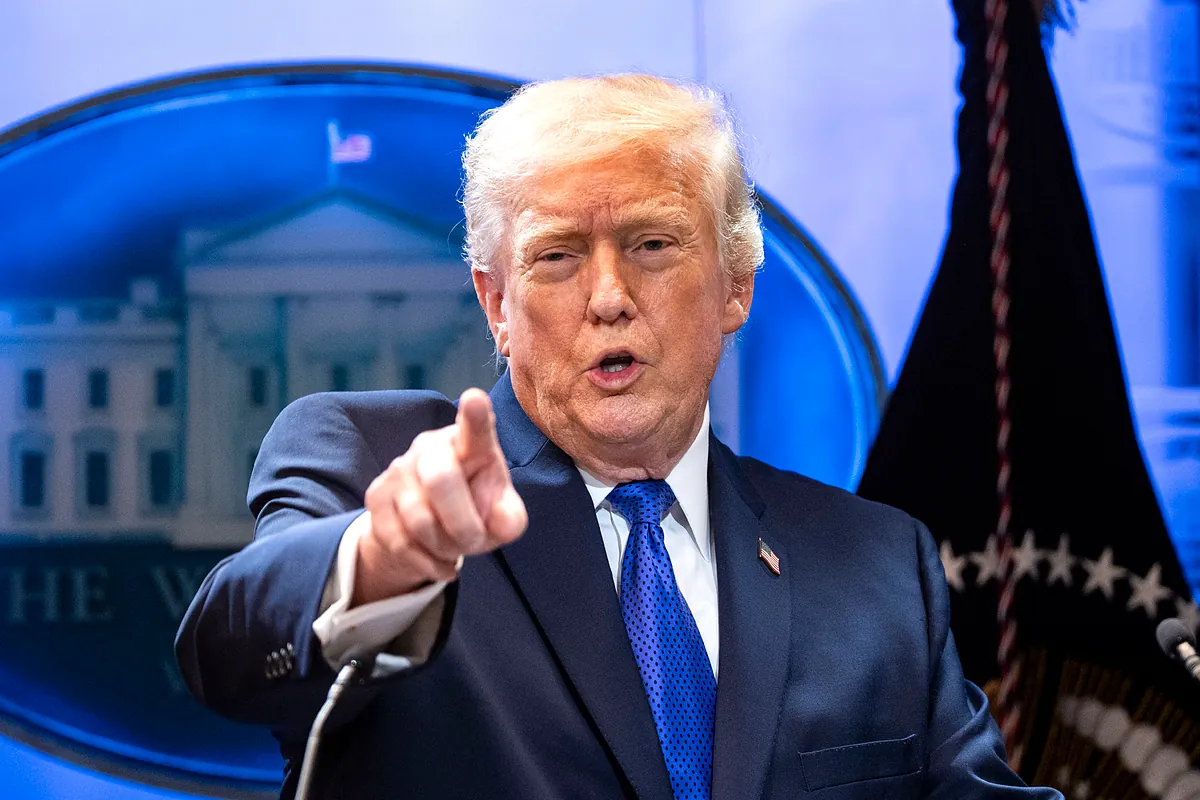
However, the positive market response was tempered by concerns over potential retaliation from former President Trump. Following the Supreme Court’s decision, Trump reportedly threatened to impose new tariffs on countries that “decide to play” with the ruling, as reported by ABC. This threat introduces a new level of uncertainty into the global trade landscape and raises the possibility of escalating trade tensions. The ambiguity surrounding Trump’s potential actions is causing anxiety among businesses and investors, who are bracing for further volatility.
European Parliament’s Response and Transatlantic Trade
Adding to the complexity, the European Parliament has suspended the ratification of a trade agreement with the United States in response to the Supreme Court’s decision. La Voz de Galicia reports that this decision reflects concerns within the European Union about the reliability of the United States as a trade partner, given the potential for future policy reversals. The suspension of ratification casts a shadow over future transatlantic trade relations and could lead to increased protectionism on both sides of the Atlantic. EL PAÍS also reported on the suspension, highlighting the political implications of the decision.
Economic Slowdown and Fed Policy
The market’s reaction to the tariff ruling also overshadowed news of a slowdown in the U.S. Economy. The U.S. Economy expanded at an annualized rate of 1.4% in the latest quarter, a deceleration from the 4.4% growth recorded in the previous period. This slowdown raises concerns about the overall health of the U.S. Economy and could influence the Federal Reserve’s monetary policy decisions. The Federal Reserve’s recent meeting revealed differing opinions among its members regarding the future path of interest rates, adding to the uncertainty surrounding economic policy. The minutes of the meeting indicated a debate between those favoring continued rate hikes to combat inflation and those advocating for a more cautious approach to avoid triggering a recession.
The interplay between the Supreme Court’s ruling, the European Parliament’s decision, the threat of new tariffs, and the economic slowdown creates a complex and challenging environment for global markets. Investors are closely monitoring these developments and adjusting their strategies accordingly. The price of gold, often seen as a safe-haven asset, has risen in response to the increased uncertainty, reflecting investor concerns about the potential for further economic instability.
Key Takeaways
- The U.S. Supreme Court invalidated tariffs imposed by the Trump administration, boosting e-commerce stocks.
- Former President Trump has threatened new tariffs, creating market uncertainty.
- The European Parliament suspended ratification of a trade agreement with the U.S. Due to concerns about trade reliability.
- The U.S. Economy is experiencing a slowdown, potentially influencing Federal Reserve policy.
- Gold prices are rising as investors seek safe-haven assets.
Looking ahead, the coming weeks will be crucial in determining the future direction of global trade and economic policy. The implementation of any new tariffs by the Trump administration will be closely watched, as will the response from the European Union and other trading partners. Further economic data releases will also provide insights into the health of the U.S. Economy and the potential for further monetary policy adjustments by the Federal Reserve. The situation remains fluid and requires careful monitoring by businesses, investors, and policymakers alike.
What are your thoughts on the Supreme Court’s decision and its potential impact on global trade? Share your comments below and let us know how these developments are affecting your business or investments.
Keep reading
- US Ambassador Condemns Settler Siege of Palestinian Home in Qusra
- S&P 500 Earnings Jump Over 50%: Why the Stock Market Is Rallying in August
- Blue Jackets’ Zach Werenski Doubles Down on Desire to Stay in Columbus: NHL Trade Talk and Future Plans for Star Defenseman” Keywords: – Zach Werenski – Columbus Blue Jackets – NHL trade talk – Columbus Blue Jackets news – Zach Werenski future plans – NHL rumors (archyworldys.com)