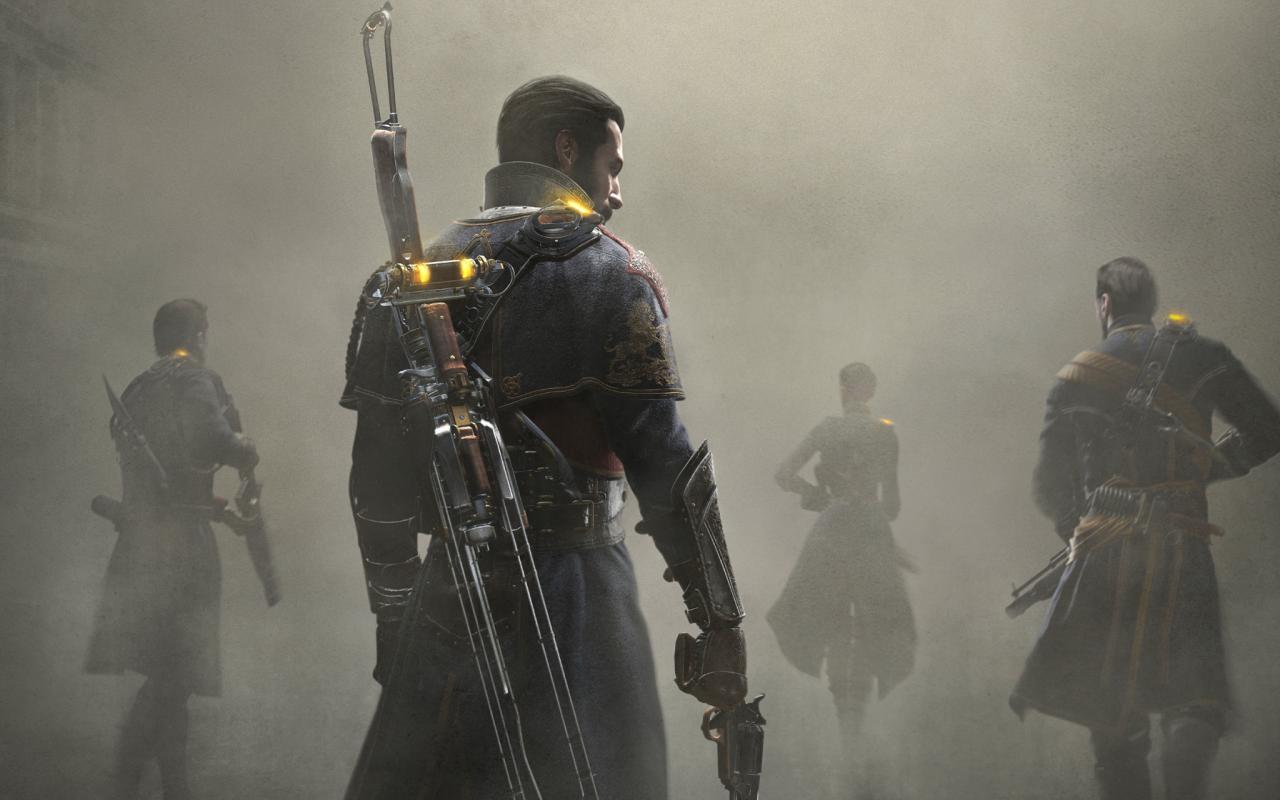
Eleven years ago, in February 2015, a single-player game debuted on the PlayStation 4 that continues to spark conversation and debate among gamers even today. The Order: 1886, developed by Ready at Dawn, was an ambitious action-adventure shooter set in a uniquely realized, alternate Victorian London. The game captivated players with its stunning visuals, blending Arthurian legends with the technological advancements of the Industrial Revolution and a brutal conflict against mythical creatures like vampires and werewolves. While a decade has passed since its release, the world crafted by Ready at Dawn remains lauded for its atmospheric detail and cinematic presentation.
However, despite its breathtaking graphics – which, even in 2026, can rival some newer releases – The Order: 1886 became a symbol of unrealized potential. A primary criticism centered on its extreme linearity and surprisingly short playtime. Players could experience the story of Sir Galahad in just four to six hours. For many, paying full price for a title offering such limited interaction and replayability proved difficult to justify. Critics praised the game’s cinematic quality and strong acting performances, but relentlessly pointed out the simplified shooting mechanics, which often felt secondary to the beautifully rendered cutscenes.
Looking back, The Order: 1886 serves as a case study of a narrative that struggled to fully integrate with the video game medium. The focus on character emotions and a dense, gothic atmosphere sometimes overshadowed repetitive action sequences that, instead of building tension, became predictable. Nevertheless, it remains one of the more intriguing PlayStation exclusives of the last decade. The game’s visual fidelity was particularly noteworthy for its time, pushing the boundaries of what the PS4 hardware was capable of.
A Victorian London Reimagined
The Order: 1886 plunges players into an alternate 1886 London, where a centuries-old order of knights protects humanity from a growing threat of the supernatural. These knights, bestowed with extended life by a mysterious elixir, are tasked with maintaining order and safeguarding the populace from creatures of myth and legend. The game’s setting is a masterclass in world-building, seamlessly blending historical architecture with steampunk-inspired technology. Gas lamps illuminate fog-laden streets, while advanced weaponry and mechanical marvels hint at a society on the cusp of a technological revolution. The visual design, heavily influenced by Victorian aesthetics, creates a palpable sense of atmosphere and immersion.
The narrative follows Sir Galahad, a seasoned knight of the Order, as he investigates a series of events that threaten the fragile peace between humans and the supernatural. He is joined by fellow knights, including the intelligent and resourceful Lady Percival, and the stoic and experienced Lord Isabeau. The story explores themes of duty, sacrifice, and the moral complexities of wielding power in a world teetering on the brink of chaos. The game’s narrative structure, while linear, is punctuated by compelling character interactions and dramatic plot twists.
The Promise of Cinematic Storytelling
Ready at Dawn aimed to deliver a truly cinematic experience with The Order: 1886, and in many ways, they succeeded. The game features stunning graphics, detailed character models, and meticulously crafted environments. The use of motion capture technology brought the characters to life, conveying a range of emotions and nuances. The game’s cutscenes are particularly impressive, often blurring the line between gameplay and film. The developers clearly prioritized visual fidelity and narrative presentation, creating a game that felt more like an interactive movie than a traditional action title.
However, this emphasis on cinematic storytelling came at a cost. The gameplay itself was often criticized for being too simplistic and lacking in depth. The shooting mechanics were straightforward, and the game offered limited opportunities for exploration or player agency. Many players felt that the game prioritized spectacle over substance, sacrificing engaging gameplay for the sake of visual grandeur. This imbalance ultimately contributed to the game’s divisive reception.
A Short but Beautiful Experience
One of the most significant criticisms leveled against The Order: 1886 was its brevity. The main story could be completed in approximately four to six hours, leaving many players feeling unsatisfied. This short playtime, combined with the game’s linear structure, limited replayability. While the game’s visuals and narrative were praised, the lack of substantial gameplay content made it difficult for some to justify the full retail price.
The game’s linearity also drew criticism. Players were largely confined to a predetermined path, with limited opportunities to deviate or explore the world. This lack of freedom stifled player agency and reduced the sense of immersion. While the game’s narrative was compelling, the inability to influence the story or interact with the environment in meaningful ways left some players feeling like passive observers rather than active participants.
The Fate of Ready at Dawn and the Legacy of The Order
Despite its critical acclaim for its visuals and atmosphere, The Order: 1886 did not receive a sequel. Ready at Dawn, the studio behind the game, shifted its focus to virtual reality development, eventually being acquired by Oculus (owned by Meta) in 2020. GameSpot reported on the acquisition in June 2020. The studio was ultimately closed in 2024, effectively ending any possibility of a continuation of the The Order franchise.
The closure of Ready at Dawn marked a sad end for a studio that had demonstrated a clear talent for visual storytelling and world-building. The fate of The Order: 1886 serves as a cautionary tale for the gaming industry, highlighting the importance of balancing visual fidelity and narrative ambition with engaging gameplay and player agency. The game remains a valuable lesson: a compelling concept and stunning graphics are not enough to guarantee success if the core gameplay experience is lacking.
The Enduring Appeal of “Film Games”
The Order: 1886 occupies a unique space in gaming history as a prime example of a “film game” – a title that prioritizes cinematic presentation and narrative storytelling over traditional gameplay mechanics. While often criticized for sacrificing interactivity, these games can offer a compelling and immersive experience for players who appreciate a strong narrative and stunning visuals. Other examples of games that have embraced this approach include Detroit: Become Human and Heavy Rain, both developed by Quantic Dream. The success of these titles demonstrates that there is a market for games that prioritize storytelling and emotional impact.
The debate over the merits of “film games” continues to this day. Some argue that these games are not “true” video games, as they offer limited player agency and rely heavily on scripted sequences. Others contend that they represent a valid and innovative approach to game design, offering a different kind of experience that appeals to a different audience. The value of a “film game” depends on the individual player’s preferences and expectations.
The recent remake of Like a Dragon: Ishin!, while receiving generally positive reviews, faced criticism for its graphical quality, with some comparing it unfavorably to older titles. Ppe.pl reported on the criticism in February 2024. This highlights the ever-increasing expectations for visual fidelity in modern games and the challenges developers face in meeting those expectations.
Despite the lack of a sequel, The Order: 1886 continues to be remembered fondly by many gamers for its unique setting, stunning visuals, and ambitious storytelling. It remains a testament to the creative vision of Ready at Dawn and a reminder that even games that fall short of their full potential can leave a lasting impact.
As the gaming industry continues to evolve, It’s likely that we will see more games that experiment with cinematic storytelling and push the boundaries of visual fidelity. Whether these games will be able to strike the right balance between narrative ambition and engaging gameplay remains to be seen. However, the legacy of The Order: 1886 serves as a valuable lesson for developers seeking to create truly immersive and unforgettable gaming experiences.
The future of single-player narrative-driven games remains uncertain, but the enduring appeal of titles like The Order: 1886 suggests that there will always be a demand for games that prioritize storytelling and emotional impact. The industry will likely continue to explore new ways to blend cinematic presentation with interactive gameplay, creating experiences that are both visually stunning and deeply engaging.
What are your thoughts on The Order: 1886? Share your memories and opinions in the comments below. And if you enjoyed this article, please share it with your friends and colleagues.
Worth a look