
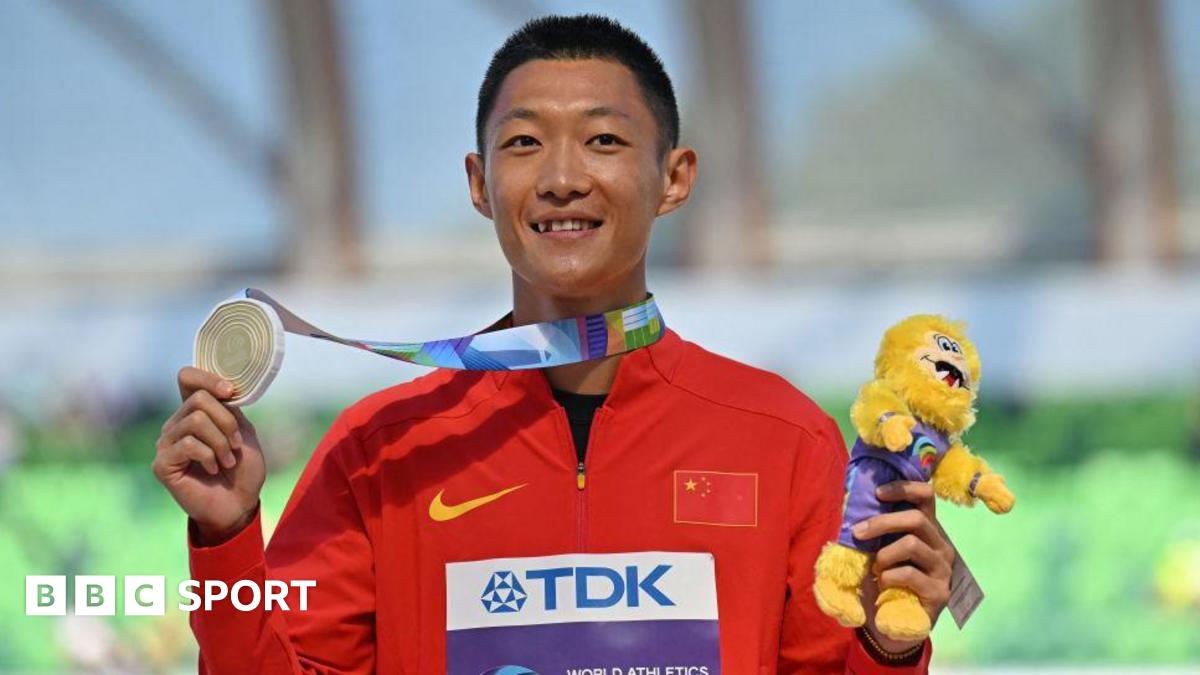
Wang Jianan Doping Case: A champion Cleared – Understanding Passive Inhalation & Athlete Duty
The world of competitive sports thrives on fairness and integrity. Recent headlines surrounding China’s long jump world champion, Wang Jianan, tested those principles. Initially flagged for a doping violation, wang has now been cleared, sparking debate about unintentional doping and the complexities of anti-doping regulations. This article delves into the details of the Wang jianan case, exploring the circumstances, the investigation, and the implications for athletes facing similar situations. We’ll unpack the science behind passive inhalation and what this ruling means for the future of anti-doping protocols.
The Initial Shock: A Positive Test for Terbutaline
In november 2024, Wang Jianan, the first Asian man to win the world long jump title (achieved with an impressive 8.36m leap in Oregon 2022), tested positive for terbutaline. This drug, primarily used as a bronchodilator for asthma and breathing difficulties, is prohibited by the World Anti-Doping Agency (WADA).A positive test immediately raises concerns, potentially jeopardizing an athlete’s career and reputation. But what happened next was far from straightforward.
- Athlete: wang Jianan (China)
- Sport: Long Jump
- Positive Test For: Terbutaline
- Date of Test: November 2024
- Ruling: No fault or negligence found; cleared of doping violation.
The Defense: Passive Inhalation & The Hospital Visit
The China Anti-doping Agency (Chinada) presented a compelling defense: Wang Jianan hadn’t intentionally ingested terbutaline. Instead, the presence of the substance was attributed to passive inhalation during a hospital visit. He was accompanying a relative receiving nebulizer treatment – a common method of delivering medication directly to the lungs.
This explanation immediately raised questions. Could simply being near a nebulizer truly lead to a positive doping test? The answer, as the investigation revealed, is surprisingly plausible.
A Rigorous Investigation: CCTV, Records & Expert Opinion
The Athletics Integrity Unit (AIU), responsible for overseeing integrity in athletics, launched a thorough investigation. This wasn’t a simple acceptance of Chinada’s explanation. The AIU meticulously reviewed:
* Hospital CCTV Footage: Confirming Wang Jianan’s presence and proximity to the nebulizer treatment.
* Patient Records: Verifying the relative’s treatment and the use of terbutaline.
* Independent scientific Expert Opinion: Crucially, an expert concluded that “a passive transfer of the substance to the athlete could not be excluded.”
The AIU found no evidence of wrongdoing or suspicious activity in the documentation provided by Chinada. This extensive approach demonstrates the commitment to due process and a nuanced understanding of potential contamination scenarios.
Understanding Terbutaline & Its Effects on Athletes
Terbutaline is a beta2-agonist, meaning it relaxes the muscles in the airways, making breathing easier. While beneficial for those with respiratory conditions like asthma, it can also enhance athletic performance by increasing oxygen uptake. This is why it’s prohibited in competition.Though, the method of delivery and dosage are critical factors.In Wang Jianan’s case, the levels detected were consistent with environmental exposure, not performance enhancement.
Implications for Athletes & Anti-Doping Regulations
The Wang Jianan case highlights the evolving challenges in anti-doping.It underscores the need for:
* Increased awareness of Passive Inhalation: athletes and support staff must be educated about the risks of





