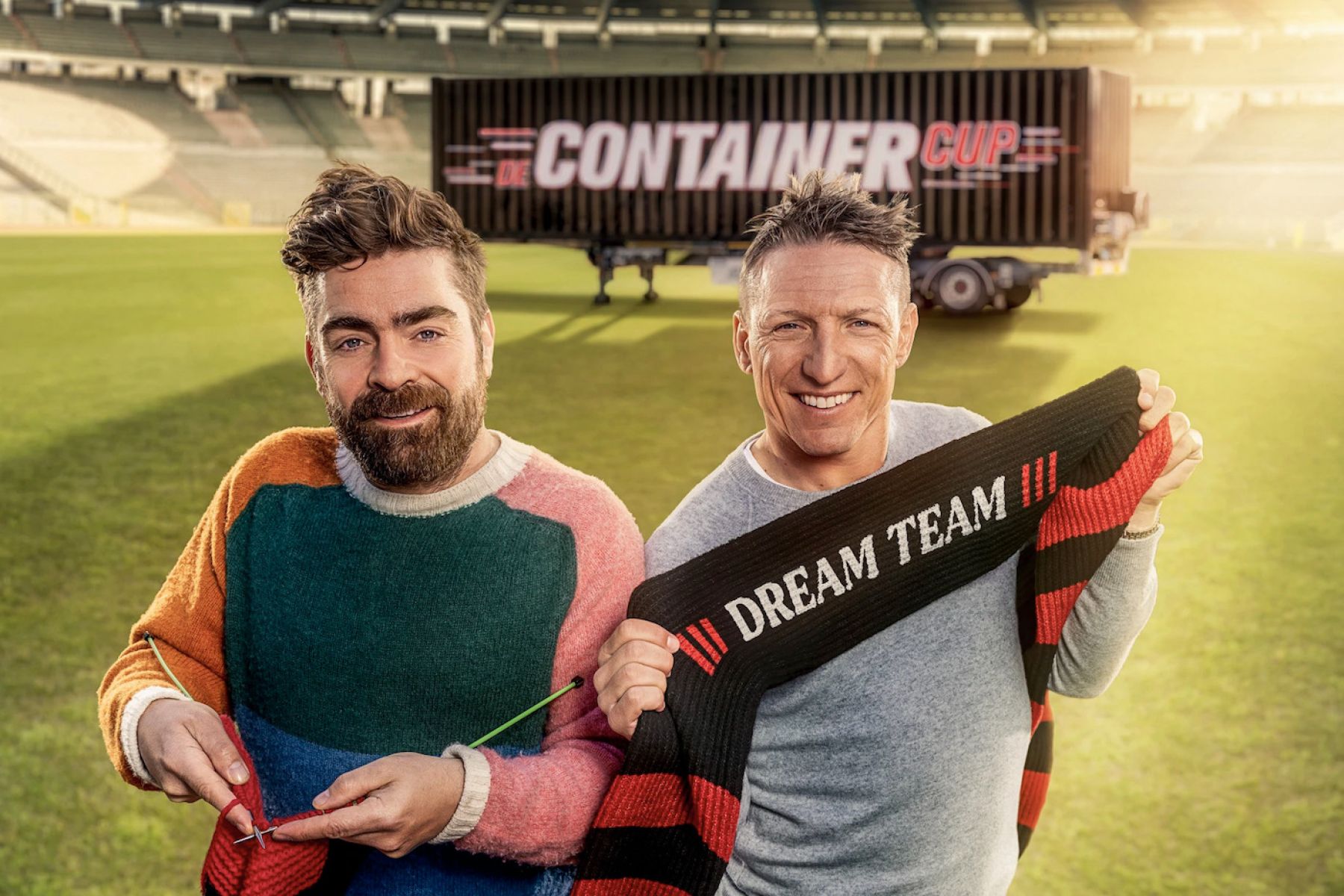
In the high-stakes world of competitive physical challenges, few spectacles capture the intensity of human endurance quite like De Container Cup. Recently, Belgian rowing standout Ward Lemmelijn pushed his limits to the absolute brink, delivering a performance that combined record-breaking athleticism with a sobering reminder of the physical cost of elite competition. During a grueling rowing segment, Lemmelijn—a former champion of the series—pushed through significant physical distress, leaving observers stunned by his tenacity.
The event, which pits professional athletes against one another in a multifaceted container-based obstacle course, serves as a rigorous test of strength, cardiovascular capacity, and mental fortitude. For Lemmelijn, the competition was not merely about reclaiming a title, but about demonstrating the relentless spirit that has defined his career in professional rowing. His recent appearance underscored why he remains a formidable figure in the sport, even when the outcome does not fall in his favor.
Pushing Beyond the Breaking Point
The intensity of the rowing discipline within De Container Cup is well-documented, requiring participants to maintain peak power output while navigating the compact, high-pressure environment of the container. During his latest attempt, Lemmelijn’s efforts resulted in visible physical trauma, specifically to his hands. The severity of the exertion led to a moment that drew immediate concern from the production crew and viewers alike, as the athlete continued his performance despite suffering from bleeding caused by the friction and intensity of the rowing stroke.
Despite the physical toll, Lemmelijn managed to secure a world record in the rowing segment, a testament to his specialized training and technical proficiency. In elite rowing, maintaining such a high output under duress is a hallmark of world-class athletes who compete at the international level. According to data from the World Rowing Federation, the sport demands precise physiological management, and Lemmelijn’s ability to sustain his pace while injured highlights the thin margin between record-breaking performance and total physical failure.
The Competitive Landscape
While Lemmelijn’s record-setting rowing performance was a highlight of the season, the overall structure of De Container Cup requires consistency across multiple disciplines, including cycling, running, and strength-based tasks. The cumulative nature of the scoring means that a singular record in one category does not guarantee an overall victory. In this instance, Lemmelijn’s comeback effort saw him finish in second place, narrowly missing the top spot on the podium.
This result serves as a poignant reminder of the volatility inherent in multidisciplinary sports. For an athlete like Lemmelijn, who hails from the Belgian municipality of Alken, the pursuit of perfection is a continuous process. His history with the competition—including previous victories—has established him as a benchmark for other participants, making his every appearance a closely watched event in the Belgian sporting calendar. The Belgian Olympic and Interfederal Committee often highlights the importance of such local high-performance platforms in preparing athletes for the rigorous demands of international competition.
Why Elite Performance Matters
The appeal of De Container Cup lies in its ability to translate the abstract concept of “fitness” into a tangible, measurable struggle. By placing athletes in a confined space, the show strips away external factors, leaving only the raw output of the individual. For professional rowers, the transition from the water to the container is not seamless, as the mechanics of the rowing ergometer are pushed to their limits in a non-traditional setting.
The dedication shown by athletes like Lemmelijn resonates with a global audience because it mirrors the unseen sacrifices made in training facilities worldwide. Whether in Lisbon, where I have spent my career covering the nuances of professional football and Olympic disciplines, or in the training hubs of Belgium, the story remains the same: elite success is rarely about the singular moment of victory, but rather the thousands of hours of preparation that allow an athlete to endure when the body begins to fail.
Looking Ahead
As the current season of De Container Cup concludes, the focus shifts toward the recovery and future training cycles of the participants. For Ward Lemmelijn, the takeaway is likely a mix of pride in his record-breaking effort and a determination to address the gaps that kept him from the overall win. Official updates regarding the next competitive cycles and the availability of the athletes for future challenges are typically managed through the show’s primary production channels.
The resilience displayed by Lemmelijn serves as an inspiration to aspiring athletes, proving that even at the highest levels, the path to greatness is often paved with setbacks and physical hardship. We invite our readers to share their thoughts on the performance—did the rowing record justify the risk? How do you think the competition should balance safety with the high-stakes nature of these athletic trials? Join the conversation in the comments section below.
Related reading