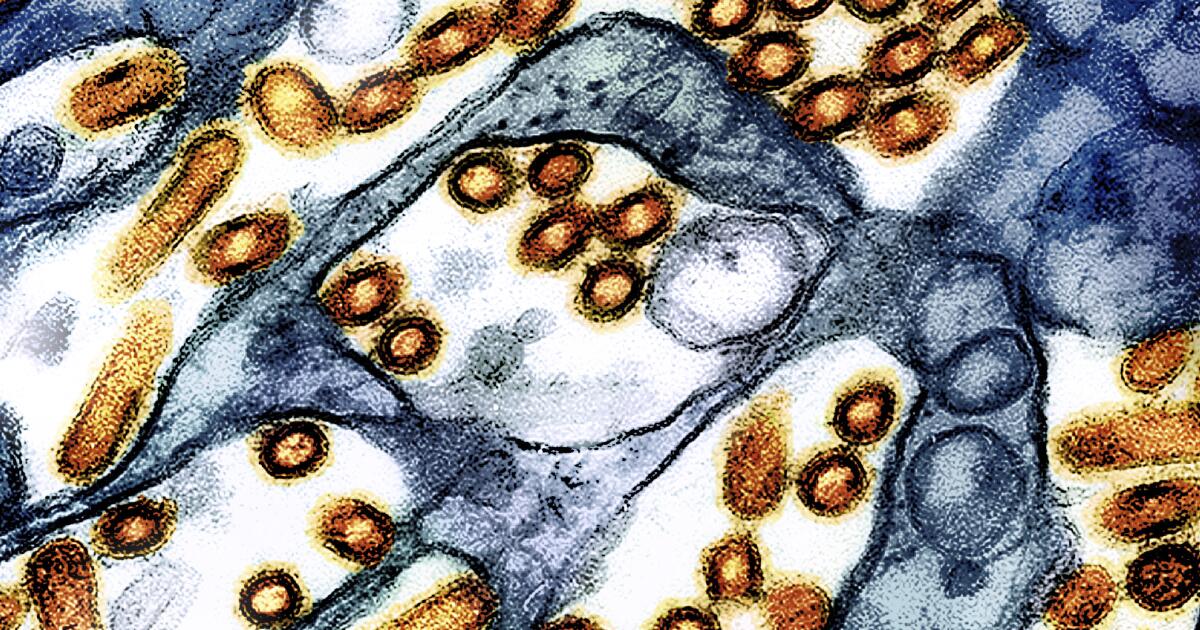
First Human Death from H5N5 Bird Flu: What You Need to Know
The world is facing a concerning new development in avian influenza. Health officials in Washington state have confirmed the first human death linked to the H5N5 strain of bird flu. This marks a meaningful escalation in the ongoing global monitoring of avian influenza viruses and raises critical questions about potential pandemic risks. This article provides a thorough overview of the situation, exploring the details of the case, the characteristics of H5N5, the potential for human-to-human transmission, and what preventative measures are being taken.
What Happened?
A resident of Grays Harbor County, Washington, with underlying health conditions and described as “older,” died after contracting the H5N5 virus. The individual was hospitalized earlier this month in Kings County (Seattle) exhibiting severe symptoms including high fever, confusion, and difficulty breathing. Prior to illness, the individual maintained a backyard flock of mixed domestic poultry. Investigations by the Washington State Department of Health strongly suggest exposure to the infected flock – or its surroundings – as the source of the infection. Close contacts of the deceased are currently being monitored, though as of this writing, no further human cases have been identified.
H5N5: A Novel Strain and Why it’s Different
the H5N5 strain is relatively new, first detected in 2023 in birds and mammals in eastern Canada. Unlike some other avian influenza strains, H5N5 hadn’t previously been identified in humans, making this case particularly alarming. Recent research, published in Cell Reports in 2024, highlights a key mutation within the virus that enhances its ability to transmit between mammals. this mutation is a critical factor driving concern among epidemiologists and virologists.
The Pandemic Potential: Why Bird Flu is a Global Concern
avian influenza viruses,like H5N1 and now H5N5,possess the potential to trigger a pandemic. The risk stems from their ability to mutate.The H5N1 virus currently circulating in dairy cattle across North America is, according to experts, just one mutation away from achieving efficient human-to-human transmission.
Here’s why this is so perilous:
* Rapid Mutation: Influenza viruses are notorious for their rapid mutation rate. Each time a bird flu virus infects a human, it gains an possibility to evolve within the human body, potentially acquiring mutations that increase its transmissibility or virulence (severity).
* genetic Reassortment: If a person infected with bird flu also has a human influenza virus present, the two viruses can exchange genetic material – a process called reassortment. This can create entirely new viral strains with unpredictable characteristics.
* Limited Human Immunity: Humans generally have little to no pre-existing immunity to novel avian influenza viruses, making populations highly susceptible to infection.
Current Risk Assessment & Public Health Response
Currently, health officials maintain that the risk to the general public remains low. There is,crucially,no evidence of human-to-human transmission in this case. However,the situation is being closely monitored. The Washington State Department of Health is actively:
* Contact Tracing: Identifying and monitoring individuals who had close contact with the deceased.
* Environmental Surveillance: Testing the environment of the poultry flock to understand the extent of the virus’s presence.
* Virus Characterization: Analyzing the H5N5 virus to better understand its genetic makeup and potential for further mutation.
* Public Education: Providing guidance to the public on preventative measures (see below).
Protecting Yourself: Preventative Measures
While the immediate risk is low, taking preventative measures is crucial.Here’s what you can do:
* Avoid Contact with Sick or Dead Birds: Do not handle wild birds or poultry that appear sick or have died. Report any unusual bird deaths to your local wildlife authorities.
* practice Good Biosecurity: If you raise poultry, implement strict biosecurity measures, including limiting contact with wild birds, disinfecting equipment, and practicing good hygiene.
* Properly Cook Poultry and Eggs: Thoroughly cook all poultry and eggs to an internal temperature of 165°F (74°C) to kill the virus.
* Practice Good Hygiene: Wash your hands frequently with soap and water, especially after contact with birds or poultry.
* stay Informed: Monitor updates from the CDC (Centers for Disease Control and Prevention) and your local health department.
Evergreen Insights: Understanding Avian Influenza & Pandemic preparedness
The emergence of H
- New York City FC: Latest News, How to Watch & Predicted Lineup
- Long Beach Proposed FY 2027 Budget Cuts 413 Positions to Close $58.2M Deficit
- H5N1 Bird Flu Outbreak Confirmed in Victoria, Australia (news-usa.today)
- Europe Wildfires: Latest Updates and Impact Across France, Greece, and Spain (archynewsy.com)