Simple Water Trick Cuts Diesel Engine Pollution by Over 60%
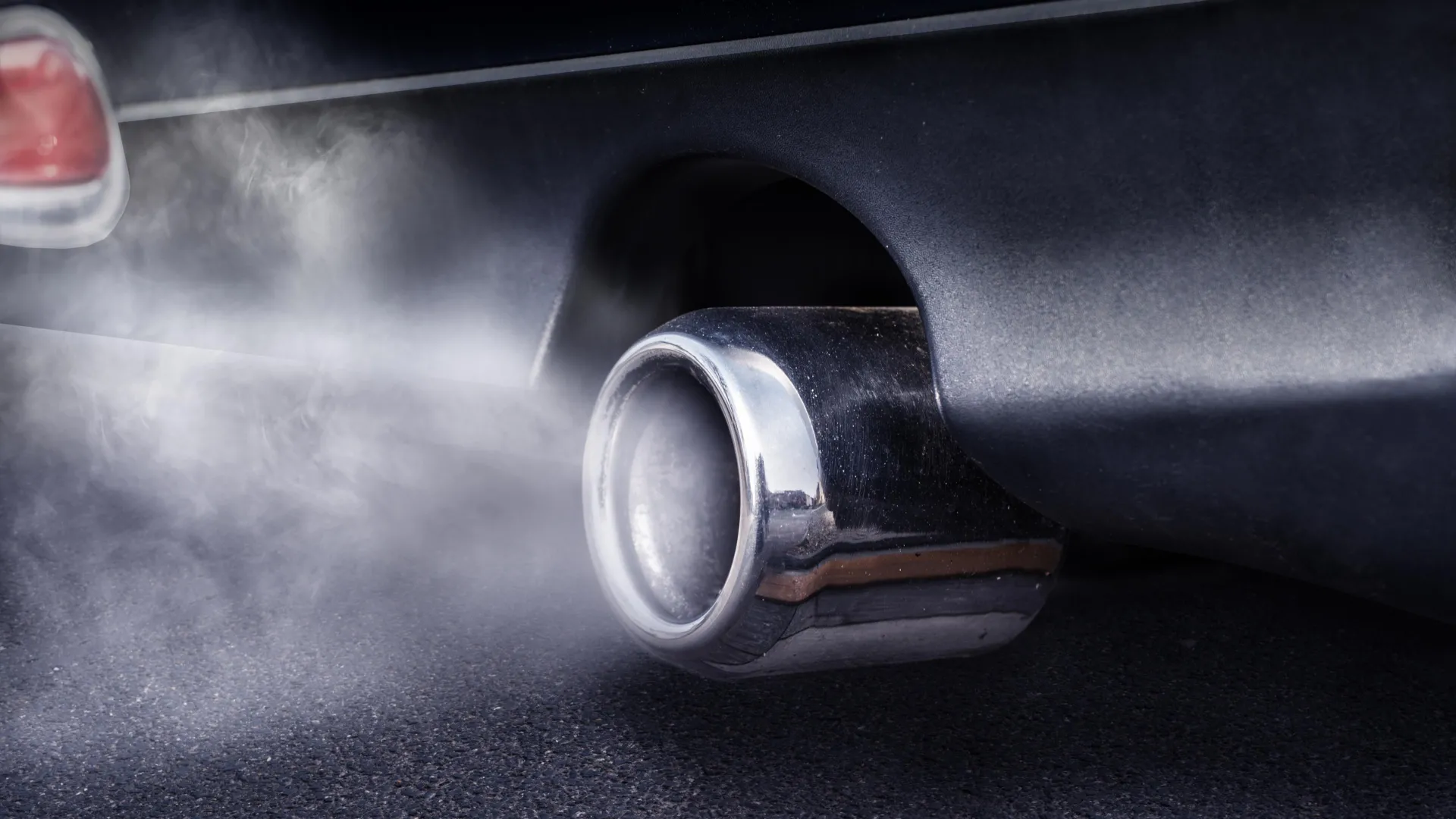
Diesel engines, vital to global transportation, agriculture and industry, are also a significant source of air pollution. Now, a surprisingly simple solution – blending water into diesel fuel – is showing remarkable promise in reducing harmful emissions without sacrificing engine performance. Researchers have been exploring this “Water-in-Diesel Emulsion” (WiDE) technology for some time, and recent analysis suggests it could offer a quick and cost-effective path toward cleaner diesel use worldwide. The potential impact is substantial, offering a bridge to cleaner energy while extending the life of existing diesel infrastructure.
The challenge with diesel exhaust lies in its composition: nitrogen oxides and particulate matter, both linked to serious health problems like respiratory disease and contributing to smog and climate change. While technologies like catalytic converters and particulate filters exist to mitigate these pollutants, they add complexity and cost to engine operation. WiDE presents an alternative, potentially working *with* existing engines rather than requiring expensive overhauls. This is particularly important for developing nations where older diesel fleets are common and resources for upgrading are limited.
The core principle behind WiDE involves mixing tiny droplets of water into the diesel fuel. These droplets aren’t simply added; they’re stabilized using surfactants – special chemicals that ensure the water and diesel remain evenly blended for up to sixty days. This emulsion, when combusted within the engine, undergoes a fascinating process. The water rapidly vaporizes, creating what researchers call “micro-explosions” that break up the fuel into finer particles, leading to more thorough air-fuel mixing and lower combustion temperatures. This improved combustion process is the key to reducing harmful emissions.
How Water-in-Diesel Emulsion Technology Works
WiDE technology isn’t a new concept, but recent analysis from the Federal University of Technology Owerri in Nigeria has brought renewed attention to its potential. Researchers there examined studies from around the globe, focusing on the mechanics and effectiveness of adding water to diesel. ScienceDaily reports that the team’s findings suggest significant emission reductions are achievable with this relatively simple modification.
The process begins with the creation of a stable emulsion. Surfactants are crucial here, acting as emulsifiers to prevent the water droplets from separating from the diesel fuel. The choice of surfactant and its concentration are critical factors influencing the emulsion’s stability, which directly impacts both safety and performance. Multiple surfactants, according to the research, tend to yield the best results, improving both the fuel blend’s stability and the quality of combustion.
Once injected into the engine, the water droplets rapidly transform into steam during combustion. This rapid vaporization isn’t just a phase change; it triggers a micro-explosion, effectively atomizing the fuel into much smaller particles. This finer atomization leads to a more complete and efficient burn, reducing the formation of nitrogen oxides (NOx) and soot. Lower peak combustion temperatures, a direct result of the water’s cooling effect, further contribute to NOx reduction.
Significant Emission Reductions and Efficiency Gains
The results of studies reviewed by the Nigerian researchers are compelling. Engines running on WiDE demonstrated substantial reductions in harmful pollutants. Nitrogen oxide emissions were reduced by as much as 67%, while particulate matter declined by up to 68% compared to engines using standard diesel fuel. These figures represent a significant step towards cleaner air and reduced health risks associated with diesel exhaust. EurekAlert! highlights these findings, emphasizing the potential for widespread adoption.
Beyond simply reducing pollution, several experiments also reported improvements in brake thermal efficiency. This metric measures how effectively an engine converts fuel into usable power. An increase in brake thermal efficiency means the engine is getting more work out of each unit of fuel, leading to improved fuel economy. This dual benefit – cleaner emissions *and* improved efficiency – makes WiDE particularly attractive.
“Water-in-diesel emulsions are a practical and cost-effective way to make diesel engines cleaner,” stated Dr. Chukwuemeka Fortunatus Nnadozie, lead author of the analysis. “Because the technology does not require redesigning the engine, it offers an immediate path toward lower emissions in developing and developed countries alike.” This accessibility is a key advantage, as it allows for relatively straightforward implementation across a wide range of existing diesel engines.
Challenges and Future Research
While the potential of WiDE is clear, further research is needed to optimize the technology and address potential challenges. The long-term effects of water-diesel emulsions on engine components require thorough investigation. Researchers need to refine surfactant combinations to maximize emulsion stability and combustion quality. Understanding how different engine types and operating conditions affect WiDE performance is also crucial.
The researchers also emphasize that WiDE isn’t intended to be a standalone solution. It can be effectively combined with other clean technologies, such as biodiesel and advanced emission control systems, to achieve even greater reductions in pollution. This synergistic approach could play a vital role in meeting broader climate and air quality goals.
Professor Emeka Emmanuel Oguzie, co-author of the study, added, “This technology can bridge the gap between conventional diesel use and a cleaner energy future. With proper formulation and testing, it could become an important part of sustainable transportation and industrial power systems.”
Key Takeaways
- Significant Emission Reduction: WiDE technology can reduce nitrogen oxide emissions by up to 67% and particulate matter by up to 68%.
- Cost-Effective Solution: The technology doesn’t require engine redesigns, making it a relatively inexpensive way to reduce pollution.
- Improved Efficiency: Some studies show WiDE can also improve brake thermal efficiency, leading to better fuel economy.
- Versatile Application: WiDE can be used in existing diesel engines across various sectors, including transportation, agriculture, and industry.
The development and refinement of WiDE technology represent a promising step towards a cleaner and more sustainable future for diesel engines. Ongoing research and collaboration will be essential to unlock its full potential and ensure its widespread adoption. The next steps involve large-scale testing in real-world conditions and the development of standardized protocols for WiDE fuel production and use. Further updates on this technology are expected from the Federal University of Technology Owerri in the coming months.
What are your thoughts on this innovative approach to reducing diesel emissions? Share your comments below, and let’s continue the conversation about cleaner energy solutions.
Keep reading