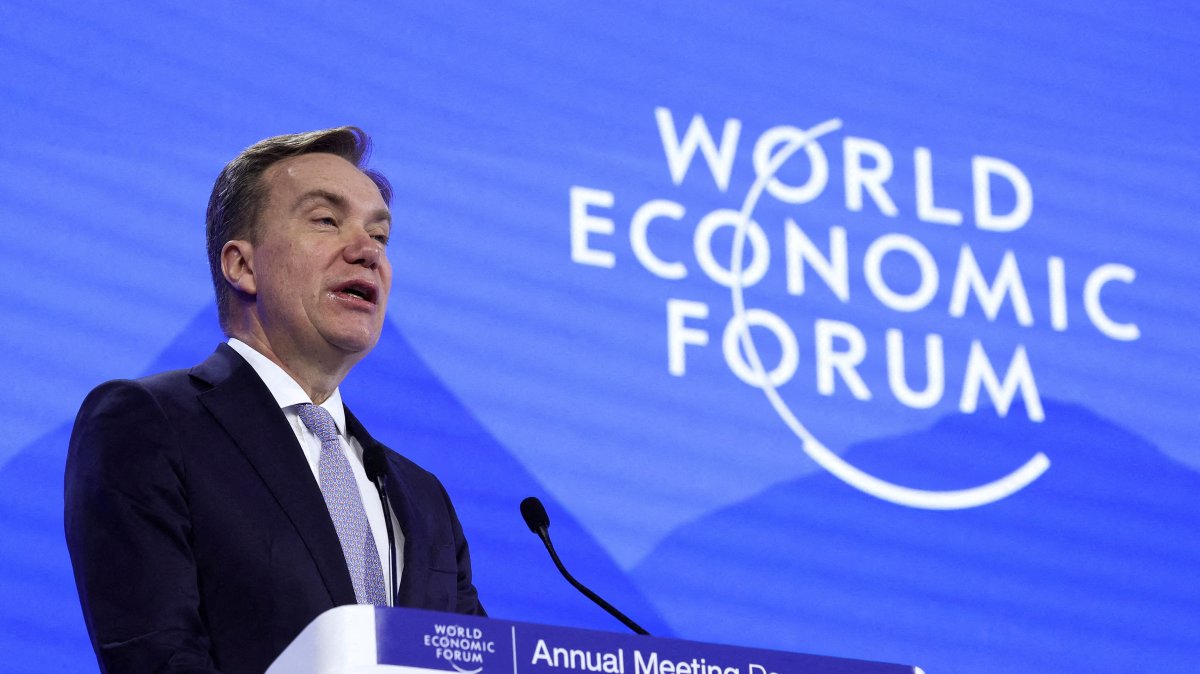
Davos, Switzerland – Børge Brende, President and Chief Executive Officer of the World Economic Forum (WEF), announced his resignation on Thursday, February 26, 2026, amidst increasing scrutiny over his connections to the late convicted sex offender Jeffrey Epstein. The move comes as a wave of revelations from newly released court documents continue to implicate prominent figures in Epstein’s network, prompting calls for accountability and raising questions about due diligence within elite circles.
Brende, who has led the WEF for over eight years and previously served as Norway’s Foreign Minister, stated his decision was made “after careful consideration.” Whereas his official statement, released by the WEF, does not explicitly mention Epstein, the timing strongly suggests a link to the ongoing controversy. The resignation marks the latest fallout from the release of the Epstein files, which have exposed a network of powerful individuals with ties to the disgraced financier. The WEF, best known for its annual gathering of global leaders in Davos, Switzerland, has found itself under a spotlight as details emerge.
The release of these documents, ordered following sustained public and legal pressure, began late last year and continues to unfold, revealing the extent of Epstein’s connections to figures in politics, business, and academia. The files detail interactions spanning years, even after Epstein’s 2008 conviction for procuring a minor for prostitution in Florida. While being named in the files does not automatically imply wrongdoing, the revelations have prompted investigations and resignations, as seen with Brende’s departure.
Brende’s Connections to Epstein Come Under Scrutiny
Brende’s name surfaced in the Epstein files, indicating contact with Epstein in 2018. Initially, Brende denied any interaction with Epstein. But, he later acknowledged dining with the financier on several occasions in both 2018 and 2019, according to reports from Norwegian broadcaster TV2. Further scrutiny revealed that Brende had also exchanged text messages with Epstein, messages he claims to have no recollection of sending. He maintained that he was unaware of Epstein’s criminal activities at the time of their interactions.
The WEF initiated an independent review in response to the allegations. However, the organization stated that the review did not uncover any “additional concerns beyond what has been previously disclosed.” This finding has been met with skepticism by some observers, who argue that a more thorough investigation is warranted given the gravity of the allegations and the potential damage to the WEF’s reputation. Brende himself acknowledged to Norwegian daily Dagens Næringsliv that his links to Epstein could prove distracting to the Forum’s work, a sentiment that ultimately appears to have influenced his decision to step down.
Breaking news: The president and chief executive of the World Economic Forum, Børge Brende, is stepping down amid scrutiny over his links to Jeffrey Epstein. https://t.co/9qJq9q9q9q
— Financial Times (@FT) February 26, 2026
The Wider Implications of the Epstein Files
The fallout from the Epstein files extends beyond Brende and the WEF. The documents have implicated numerous high-profile individuals, including politicians, royalty, and business leaders, forcing many to address their past associations with Epstein. The case has sparked a broader conversation about power, privilege, and the responsibility of those in positions of influence to exercise due diligence in their relationships.
The Trump administration’s decision to release the Epstein files, following years of legal battles and public pressure, was a significant turning point. The release, which began in January 2024, involved millions of pages of documents from federal investigations into Epstein’s crimes. The sheer volume of information has made it a complex and ongoing process to analyze and understand the full extent of Epstein’s network. The files are available through a court-ordered public docket, allowing researchers and journalists to examine the details of Epstein’s connections.
Other prominent Norwegian figures have also been identified in the Epstein files, including Crown Princess Mette-Marit and former Prime Minister Thorbjorn Jagland. The extent of their connections to Epstein remains under scrutiny, and further investigations may be necessary to determine the nature of their interactions. The revelations have prompted a national conversation in Norway about the country’s relationship with Epstein and the need for greater transparency in the dealings of public figures.
WEF Response and Future Leadership
In a joint statement, WEF co-chairs Andre Hoffmann and Larry Fink thanked Brende for his “significant contributions” to the organization. They acknowledged his leadership in navigating complex global challenges and his commitment to fostering collaboration among stakeholders. The WEF has not yet announced a successor to Brende, and the search for a new leader is expected to be a priority in the coming weeks. The organization faces the challenge of restoring public trust and demonstrating its commitment to ethical conduct in the wake of the controversy.
The WEF’s annual meeting in Davos, a high-profile event that brings together world leaders, business executives, and academics, has long been a focal point for discussions on global issues. The controversy surrounding Brende’s resignation is likely to cast a shadow over future meetings, raising questions about the organization’s credibility and its ability to address pressing global challenges. The WEF will need to demonstrate a clear commitment to transparency and accountability in order to regain the confidence of its stakeholders.
What Happens Next?
The immediate future for the WEF involves navigating the leadership transition and addressing the concerns raised by Brende’s resignation. The organization is expected to announce an interim CEO in the coming days, followed by a more comprehensive search for a permanent replacement. The ongoing release of the Epstein files is also likely to continue to generate scrutiny and potentially implicate other individuals connected to the WEF. The full impact of the scandal on the organization’s reputation and its ability to influence global affairs remains to be seen.
The legal proceedings related to Epstein’s crimes are also ongoing. Victims of Epstein’s abuse continue to pursue justice through civil lawsuits and criminal investigations. The release of the Epstein files has provided valuable evidence in these cases, and further revelations are expected to emerge as the investigations progress. The case serves as a stark reminder of the devastating consequences of sexual abuse and the importance of holding perpetrators accountable.
The broader implications of the Epstein scandal extend to the issue of elite networks and the potential for abuse of power. The revelations have raised questions about the lack of oversight and accountability within these networks and the need for greater transparency in the dealings of powerful individuals. The scandal has also sparked a debate about the role of wealth and privilege in shielding individuals from scrutiny, and accountability.
As of February 26, 2026, the WEF has confirmed it will continue to cooperate fully with any investigations related to the Epstein files. The organization has also reiterated its commitment to ethical conduct and its dedication to addressing global challenges in a responsible and transparent manner. The next significant development is expected to be the announcement of an interim CEO and the launch of a formal search for a permanent replacement for Børge Brende.
What are your thoughts on the WEF leadership change? Share your comments below and let us know how you think this will impact the organization’s future. Don’t forget to share this article with your network to keep the conversation going.
Keep reading