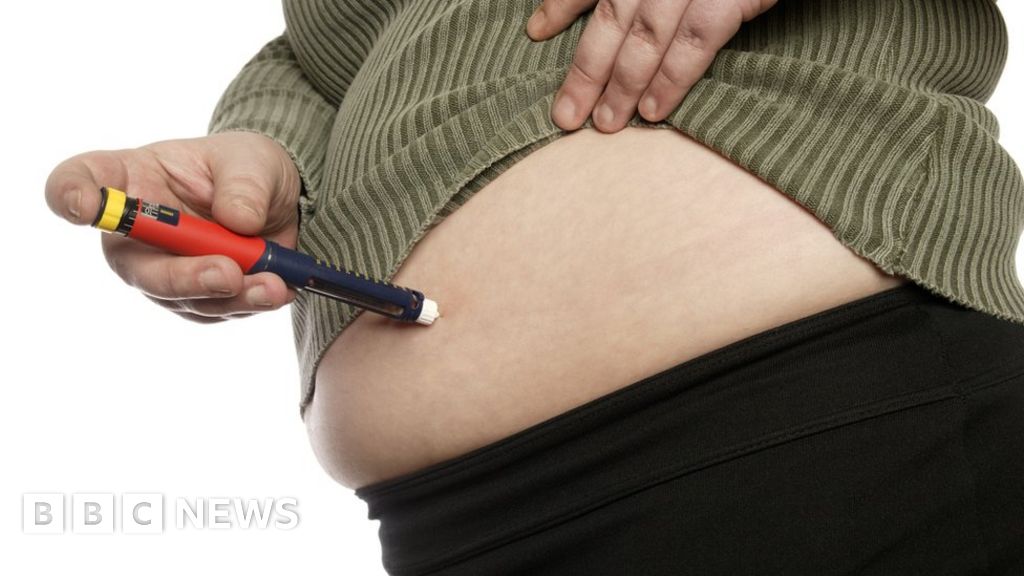
The intersection of medical weight-loss interventions and interpersonal relationships is becoming a focal point of sociological observation. Recent reports indicate that the use of weight-loss injections and gastric surgeries may be contributing to a significant increase in relationship breakdowns, with some data suggesting the risk of divorce rises by as much as 50% according to reports on weight-loss trends.
This phenomenon involves a variety of medical treatments, ranging from pharmaceutical options like Ozempic and Mounjaro to surgical interventions such as gastric bands. While these methods are designed to improve physical health and manage obesity, the subsequent psychological and social shifts can create unforeseen tension within a partnership.
As these treatments become more accessible, the impact extends beyond the individual’s health metrics. The shift in physical appearance, confidence, and lifestyle habits can alter the dynamics of a long-term relationship, sometimes leading to instability or separation when partners fail to navigate these changes together.
The Impact of Weight-Loss Interventions on Partnerships
The rise in separations linked to weight-loss treatments is often attributed to the profound changes that accompany rapid weight loss. When a partner begins using medications like Ozempic or Mounjaro, or undergoes a gastric band procedure, the physical transformation is often accompanied by a shift in self-perception and social desire.
The reported 50% increase in the likelihood of divorce suggests that the “new” version of an individual may sometimes clash with the existing dynamics of their relationship as noted in recent observations. This can manifest as a change in confidence that leads the individual to seek different social circles or partners, or it can create resentment and insecurity in the spouse who did not undergo the transformation.
These medical interventions are not without their complexities. While the focus is often on the aesthetic or health benefits, the psychological transition is equally significant. The “weight-loss journey” can become a central part of a person’s identity, potentially overshadowing the shared identity of the couple.
Understanding Different Types of Gastric Procedures
It is essential to distinguish between elective weight-loss surgeries and those performed for critical medical reasons, as the motivations and outcomes differ vastly. While gastric bands and similar procedures are often used for weight management, other stomach surgeries are life-saving interventions for diseases such as cancer.
In cases of stomach cancer, surgery is performed to remove the malignancy. Depending on the location of the tumor, surgeons may remove a portion of the stomach or the entire organ. For instance, if a tumor is located high in the stomach near the esophagus, the entire stomach may be removed. If the tumor is closer to the stomach’s exit, only a part may be excised according to Erasmus MC.
These oncological surgeries are vastly different from weight-loss procedures in terms of intent and recovery. Patients facing stomach cancer may undergo chemotherapy both before and after surgery to improve outcomes. A CT scan is typically used after chemotherapy to ensure there are no metastases (spread of cancer cells) before the surgery proceeds as detailed by Thuisarts.
Comparing Weight-Loss vs. Medical Gastric Surgery
| Feature | Weight-Loss (e.g., Gastric Band/Injections) | Oncological (Stomach Cancer Surgery) |
|---|---|---|
| Primary Goal | Weight reduction and obesity management | Removal of cancerous tumors |
| Typical Procedure | Restriction of stomach size or appetite suppression | Partial or total gastrectomy |
| Associated Treatments | Dietary changes, exercise, GLP-1 agonists | Chemotherapy, CT scans |
| Social Impact | Potential relationship instability/divorce | Focus on recovery and survival |
The Role of GLP-1 Agonists and Modern Medicine
The mention of Ozempic and Mounjaro refers to a class of medications known as GLP-1 receptor agonists. Originally designed for type 2 diabetes, these drugs have gained global popularity for their efficacy in weight loss. Unlike surgical interventions, these are injections that regulate appetite and insulin levels.
The ease of access to these pharmaceutical interventions has accelerated the pace of physical change for many. When weight loss happens rapidly through medication, the psychological adjustment period is compressed. This can lead to a “personality shift” or a change in how the individual interacts with their partner, which may contribute to the increased risk of relationship failure.
the social stigma or pressure surrounding weight can play a role. A partner who has struggled with weight for years may experience a surge of autonomy and new romantic opportunities upon losing weight, while the other partner may struggle to adapt to the new social reality.
Psychological and Physical Recovery
Whether the surgery is for weight loss or cancer, the recovery process is grueling. For those undergoing cancer-related stomach surgery, the process involves creating a new connection in the digestive tract to ensure food can still reach the intestines. If the entire stomach is removed, the small intestine is attached directly to the esophagus as described by Erasmus MC.

The physical toll of such a “major operation” carries significant risks, and patients are advised to be as fit as possible before the procedure to minimize complications according to Thuisarts. In the context of weight-loss surgery, the “recovery” is often viewed through the lens of a “new life,” which can be a double-edged sword for the relationship.
The discrepancy between the patient’s internal feeling of “rebirth” and the partner’s feeling of “loss” of the person they once knew can create a rift. This emotional misalignment is often where the risk of separation manifests most clearly.
Key Takeaways on Weight-Loss and Relationships
- Weight-loss injections (Ozempic, Mounjaro) and gastric surgeries are linked to a reported 50% increase in divorce risk.
- Rapid physical transformations can lead to shifts in confidence and social desires that strain existing partnerships.
- There is a stark difference between elective weight-loss procedures and medical gastrectomies performed for cancer.
- Psychological support is as critical as medical intervention when navigating the changes associated with significant weight loss.
As medical science continues to provide more effective ways to alter the human body, the necessitate for integrated psychological support for couples becomes more apparent. The ability to maintain a relationship during a period of drastic physical change requires communication and mutual adaptation.
For those considering these treatments, consulting with both medical professionals and relationship counselors may provide a more stable path toward health and happiness. There are currently no scheduled global medical hearings on the sociological impact of GLP-1 drugs, but clinical data on their long-term use continues to be updated by health regulators.
Do you believe that drastic physical changes inevitably affect a relationship’s stability? Share your thoughts in the comments below.
Keep reading
- MegaBlock: Complete Break from Traditional Slots with Cascading Block Tech
- Paramount Pauses $111 Billion Warner Bros. Discovery Acquisition Over Lawsuits
- Najwa Karam Addresses Pregnancy and Divorce Rumors With Husband Omar Al-Dahmani (newsdirectory3.com)
- Chey Tae-won Ordered to Pay 8,200 Crore Rupee Divorce Settlement (archyworldys.com)