For many women, the term “menopause” carries a weight of stigma and fear, often associated with decline and loss of vitality. However, a growing number of health professionals are challenging this narrative, reframing midlife not as an endpoint but as a pivotal phase for renewal and self-care. This shift in perspective is gaining traction in medical and wellness circles, particularly in discussions around physical therapy, nutrition, and holistic health approaches tailored to women navigating hormonal changes.
At the heart of this evolving conversation is a reevaluation of what menopause truly represents—not a medical condition to be feared, but a natural biological transition that, with the right support, can become an opportunity to reclaim strength, mobility, and overall well-being. Experts emphasize that symptoms commonly attributed to “menopause” are often exacerbated by lifestyle factors such as sedentary behavior, poor nutrition, and chronic stress, rather than hormonal shifts alone. This understanding opens the door to proactive, evidence-based interventions that prioritize function and quality of life.
One such perspective comes from specialists in physical therapy and rehabilitation, who argue that the focus should shift from managing perceived decline to actively restoring fitness, posture, and metabolic health. According to these professionals, targeted exercise programs, manual therapy, and patient education can significantly alleviate common midlife complaints like joint pain, muscle weakness, and fatigue—issues often mistakenly accepted as inevitable consequences of aging.
This approach aligns with broader trends in preventive health, where midlife is increasingly recognized as a critical window for reducing long-term disease risk. Research shows that adopting healthy habits during this period—such as regular physical activity, balanced nutrition, and stress management—can have lasting benefits for cardiovascular health, bone density, and cognitive function well into later life. Rather than viewing menopause as a marker of deterioration, forward-thinking clinicians see it as a motivator for positive change.
Importantly, this reframing does not dismiss the very real physiological changes that occur during perimenopause and menopause, including fluctuations in estrogen and progesterone that can affect thermoregulation, mood, and sleep. Instead, it insists that these changes should be met with compassionate, individualized care—not resignation. Health advocates stress that women deserve access to accurate information and effective tools to navigate this transition with confidence, not fear.
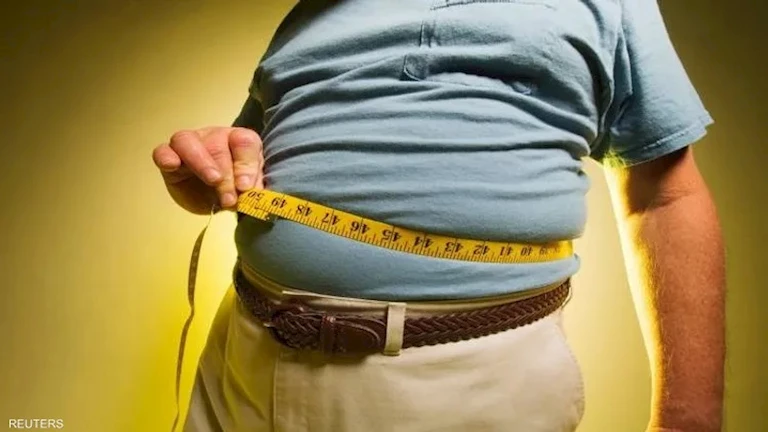
The conversation similarly intersects with growing awareness about weight management in midlife, particularly the tendency for fat redistribution—especially around the abdomen—that many women experience during this time. While some sources suggest a link between the timing of weight gain and long-term health outcomes, experts caution against oversimplifying complex metabolic processes. Sustainable weight management, they emphasize, is less about timing and more about consistent, personalized strategies that support metabolic health without promoting harmful diet culture.
Similarly, discussions around excessive fat loss highlight that extremes in either direction—whether significant weight gain or rapid loss—can carry health risks. Medical professionals warn that overly restrictive eating patterns or excessive exercise may disrupt hormonal balance, impair bone health, and negatively impact energy levels, underscoring the importance of moderation and medical guidance when making lifestyle changes.
the message emerging from forward-thinking health professionals is clear: midlife is not a period of passive decline but an active opportunity to invest in long-term vitality. By combining clinical expertise with patient-centered care, women can navigate this transition not by enduring symptoms, but by rebuilding strength, enhancing mobility, and fostering a deeper connection with their bodies. As the global conversation around women’s health continues to evolve, this empowering reframing offers a vital alternative to outdated myths—one rooted in science, dignity, and the belief that wellness has no expiration date.