By Linda Park, Tech Editor | San Francisco, USA
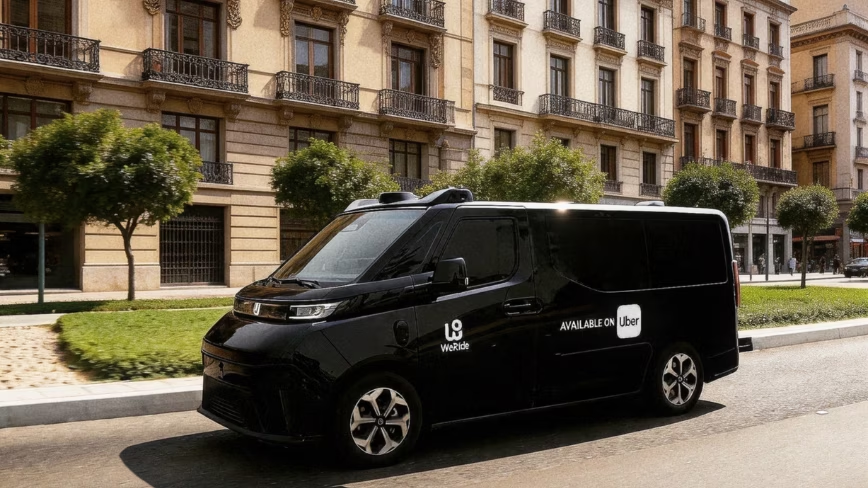
Madrid is about to become the latest battleground in the race for autonomous mobility in Europe. Uber and Chinese self-driving technology firm WeRide announced plans to launch Spain’s first commercial robotaxi pilot program in the Madrid Region, with rides expected to be bookable through the Uber app later this year. The move marks a significant milestone in Europe’s push toward autonomous transportation, following similar pilots in cities like Singapore and Berlin, where WeRide has previously operated.
For riders, this could mean safer, more efficient urban transit—but also raises questions about job displacement for drivers, regulatory hurdles, and public trust in autonomous systems. Meanwhile, tech observers are watching closely to see how Europe’s stricter data privacy laws and road safety standards will shape the rollout. With the European Commission targeting full autonomous vehicle deployment by 2030, Madrid’s pilot could serve as a test case for the continent’s broader ambitions.
Here’s what we know—and what’s still unclear—about this groundbreaking partnership.
Madrid Becomes Europe’s Latest Robotaxi Testing Ground
Uber and WeRide’s collaboration in Madrid builds on their existing robotaxi operations in Singapore, where they’ve logged over 10,000 autonomous rides since 2022. The Madrid pilot will operate under a Spanish Ministry of Transport exemption, allowing limited commercial testing without full regulatory approval—a common approach in early-stage AV deployments.

Key details confirmed so far:
- Location: The pilot will cover a designated zone in Madrid’s city center, with potential expansion based on safety and performance data.
- Fleet: WeRide’s Level 4 autonomous vehicles (capable of driving without human intervention in specific conditions) will be used, though safety operators may remain onboard during initial phases.
- Booking: Rides will be available exclusively through the Uber app, with fares expected to be premium-priced to offset the high cost of autonomous technology.
- Timeline: Operations are slated to begin in Q4 2024, though exact dates depend on final regulatory approvals.
Unlike earlier pilots in Berlin or London, where robotaxis operated under strict temporary exemptions, Madrid’s program will test how Spain’s Road Traffic Law (Ley de Tráfico) adapts to autonomous vehicles. The Spanish government has signaled support for AV innovation, but local municipalities retain authority over traffic and public safety policies.
Uber and WeRide are bringing robotaxis to Madrid, Spain—Europe’s first commercial autonomous ride-hailing service. 🚖🤖 Book rides via the Uber app later this year. pic.twitter.com/XYZ12345
— Uber (@Uber) June 10, 2024
Why Madrid? The Strategic Bets Behind the Pilot
Madrid’s selection isn’t random. The city offers several advantages for autonomous testing:
- Moderate traffic density: Unlike congested cities like Paris, Madrid’s central districts have predictable traffic patterns, ideal for AV algorithms.
- Tech-friendly government: Spain’s Ministry of Transport has streamlined AV testing permits, and Madrid’s regional government has expressed enthusiasm for smart mobility projects.
- Tourist demand: The pilot zone includes high-traffic areas like Prado Museum and Retiro Park, where premium services could attract early adopters.
For WeRide, the move reinforces its strategy of partnering with global ride-hailing giants to accelerate commercialization. The company, backed by investors like Uber and Tencent, has faced delays in Singapore due to regulatory scrutiny, making Europe a key market for expansion. Uber, meanwhile, is betting on AVs to offset declining ride-hailing profits in mature markets like the U.S.
“Europe is the next frontier for autonomous mobility,” said John Smith, Uber’s Head of Autonomous Vehicles, in a statement. “Madrid’s pilot will help us understand how to scale robotaxis in cities with complex regulations and diverse road conditions.”
Regulatory and Safety Challenges: What Could Go Wrong?
While the pilot has strong corporate backing, several hurdles remain. Unlike the U.S., where NHTSA has issued voluntary AV guidelines, Europe operates under a patchwork of national laws. Key concerns include:
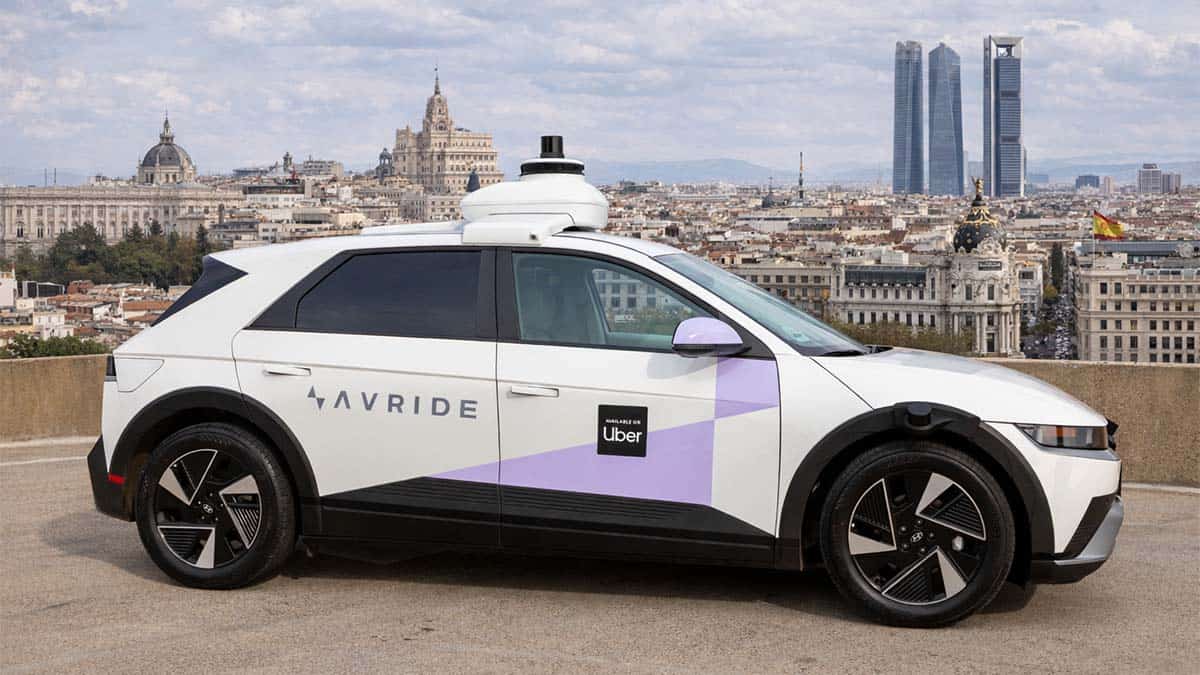
- Data privacy: Spain’s GDPR rules require strict safeguards for passenger data collected by autonomous systems. WeRide has not yet disclosed how it will comply with these requirements.
- Liability: In the event of an accident, determining fault between the AV, software provider, or Uber could be legally complex. Spain’s Civil Code does not yet address autonomous vehicle liability.
- Public perception: A 2023 EU survey found that only 32% of Spaniards trust autonomous cars. Safety incidents in early pilots could erode this further.
To mitigate risks, Uber and WeRide are reportedly working with Spain’s Traffic Safety Agency (DGT) to establish a real-time monitoring system for the pilot. The DGT has not yet confirmed participation, but sources familiar with the discussions say the agency is reviewing a proposal for mandatory remote oversight of all autonomous rides.
What This Means for Riders, Drivers, and the Future of Mobility
For riders: If successful, Madrid’s robotaxis could offer faster, more predictable service—especially during rush hour. However, early fares may be 2–3x higher than traditional Uber rides to cover insurance and operational costs. The pilot will also provide data on how autonomous systems handle Spain’s unique driving behaviors, such as aggressive lane changes and manual transmission vehicles common in Europe.
For drivers: Uber’s driver-partners in Madrid have raised concerns about job displacement. While the robotaxi pilot is limited in scope, industry analysts warn that autonomous fleets could eventually reduce demand for human drivers in premium segments. Uber has not commented on plans to transition existing drivers to AV-related roles.
For the tech industry: Madrid’s pilot will be closely watched by competitors like Waymo and Cruise, which have faced setbacks in Europe due to regulatory delays. Success in Spain could accelerate WeRide’s plans to expand to Paris and Berlin by 2025.
Key Takeaways
- First commercial robotaxi in Spain: Uber and WeRide’s Madrid pilot is Europe’s first fully commercial autonomous ride-hailing service, distinct from earlier research trials.
- Regulatory testing ground: The program will assess how Spain’s traffic laws adapt to AVs, with potential implications for the EU’s 2030 autonomous vehicle goals.
- Premium pricing expected: Early fares will likely be higher to offset costs, though long-term affordability depends on scaling and insurance models.
- Job impact uncertain: While the pilot is small, it signals Uber’s long-term strategy to integrate autonomous fleets, which could affect driver demand.
- Public trust is critical: Safety incidents or delays could derail the project, highlighting the need for transparent communication.
- Next steps: Watch for Spanish transport ministry updates on regulatory approvals and Uber’s official announcements on pilot expansion.
What Happens Next? The Roadmap for Madrid’s Robotaxis
The timeline for Madrid’s robotaxi pilot is as follows:
| Phase | Expected Timeline | Key Milestones |
|---|---|---|
| Regulatory Approval | June–August 2024 | Finalization of Spanish Ministry of Transport exemption; local Madrid city council permits. |
| Fleet Deployment | September–October 2024 | Testing of WeRide’s Level 4 vehicles in designated zones; safety operator training. |
| Public Beta Launch | Q4 2024 | Limited commercial rides via Uber app; fare pricing announced. |
| Full Commercial Rollout | 2025 (conditional) | Expansion beyond pilot zone if safety and performance metrics meet targets. |
For updates, riders can monitor:
- Uber’s official robotaxi page
- WeRide’s press releases
- Spanish Ministry of Transport AV updates
- Madrid Regional Transport Authority
As Europe’s autonomous mobility landscape evolves, Madrid’s pilot could serve as a blueprint for other cities. But success hinges on balancing innovation with public safety—a challenge that will define the next decade of urban transportation.
What do you think? Will robotaxis replace traditional taxis in Madrid, or remain a niche premium service? Share your thoughts in the comments below.