Israel Begins construction of Extensive Barrier Along Jordan Valley, Raising Concerns for Palestinian Communities
Israel has commenced building a significant security barrier along its border wiht Jordan, a project officials say is designed to bolster national security. This undertaking, dubbed the “Crimson Thread” plan, promises a significant reshaping of the landscape and raises serious questions about the future of Palestinian communities in the Jordan Valley.
The initial phase, currently underway near the village of Atouf, involves a multi-layered system. It combines a physical fence with advanced surveillance technology, including intelligence sensors, radars, and cameras. Ultimately, the barrier is projected to span approximately 500 kilometers, effectively sealing off the Jordan Valley from the rest of the West Bank.
A History of Security Concerns & Land Acquisition
The project’s origins are linked to a security incident in August 2024. A 23-year-old Israeli citizen, Yonatan Deutsch, was killed in a shooting along Route 90, a key thoroughfare in the Jordan Valley. However, experts suggest the security concerns are being leveraged to facilitate broader territorial objectives.
Specifically, the construction is enabling the seizure of hundreds of dunams of Palestinian land. This land is especially valuable due to its fertile farmland. You might be wondering why this is happening now. Critics argue the barrier isn’t solely about security, but a calculated move to displace Palestinian communities and expand Israeli settlement in the region.
Impact on Palestinian Residents
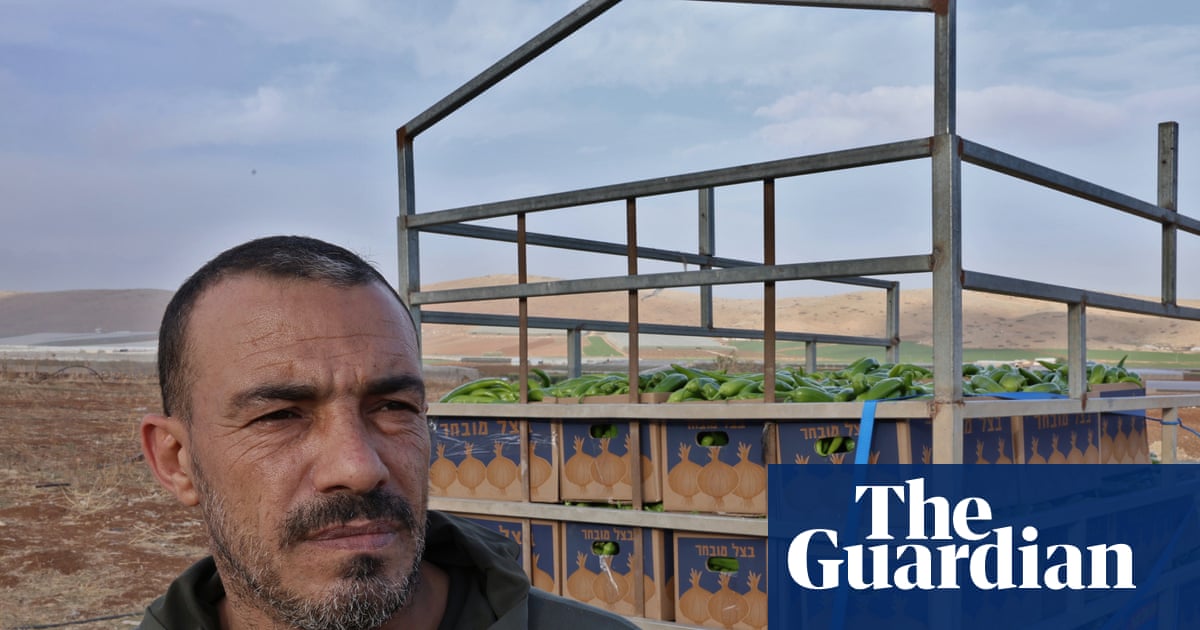
The implications for Palestinian residents are substantial. One family has already fiercely resisted pressure from settlers and the army to vacate their 400 dunams of land. Their access to essential routes could be severely restricted once the barrier is completed.
Here’s a breakdown of the potential consequences:
* Restricted Movement: The barrier will likely limit Palestinians’ ability to travel freely within the Jordan Valley and access essential services.
* Land Loss: The project necessitates the confiscation of significant agricultural land, impacting livelihoods and food security.
* Community Fragmentation: The barrier could further isolate Palestinian communities, hindering social and economic advancement.
* Economic Hardship: Loss of access to farmland and markets will undoubtedly exacerbate economic challenges.
Israel’s Justification and Future Plans
Defense officials frame the barrier as a vital step in strengthening national security and preventing the establishment of an eastern front against Israel. They cite concerns about arms smuggling and the influence of Iran and its proxies.
According to statements, the barrier will:
* Reduce the flow of weapons to militant groups.
* Strengthen existing settlements along the border.
* Provide enhanced strategic control over the eastern border.
The “Crimson Thread” plan is presented as a complete, long-term project. It’s not simply a fence, but a “smart border” incorporating cutting-edge technology. Further construction is already underway on additional sections, potentially including a military road near the villages of Bardala and Kardala.
A Complex Situation
This development underscores the ongoing complexities of the Israeli-palestinian conflict. While Israel emphasizes security concerns, critics view the barrier as a land grab that will further marginalize Palestinian communities.
As the project progresses, it’s crucial to monitor its impact on the ground. Understanding the full scope of the consequences – both intended and unintended – is essential for navigating this sensitive and evolving situation. You can expect continued debate and scrutiny as the barrier takes shape and its effects become more apparent.