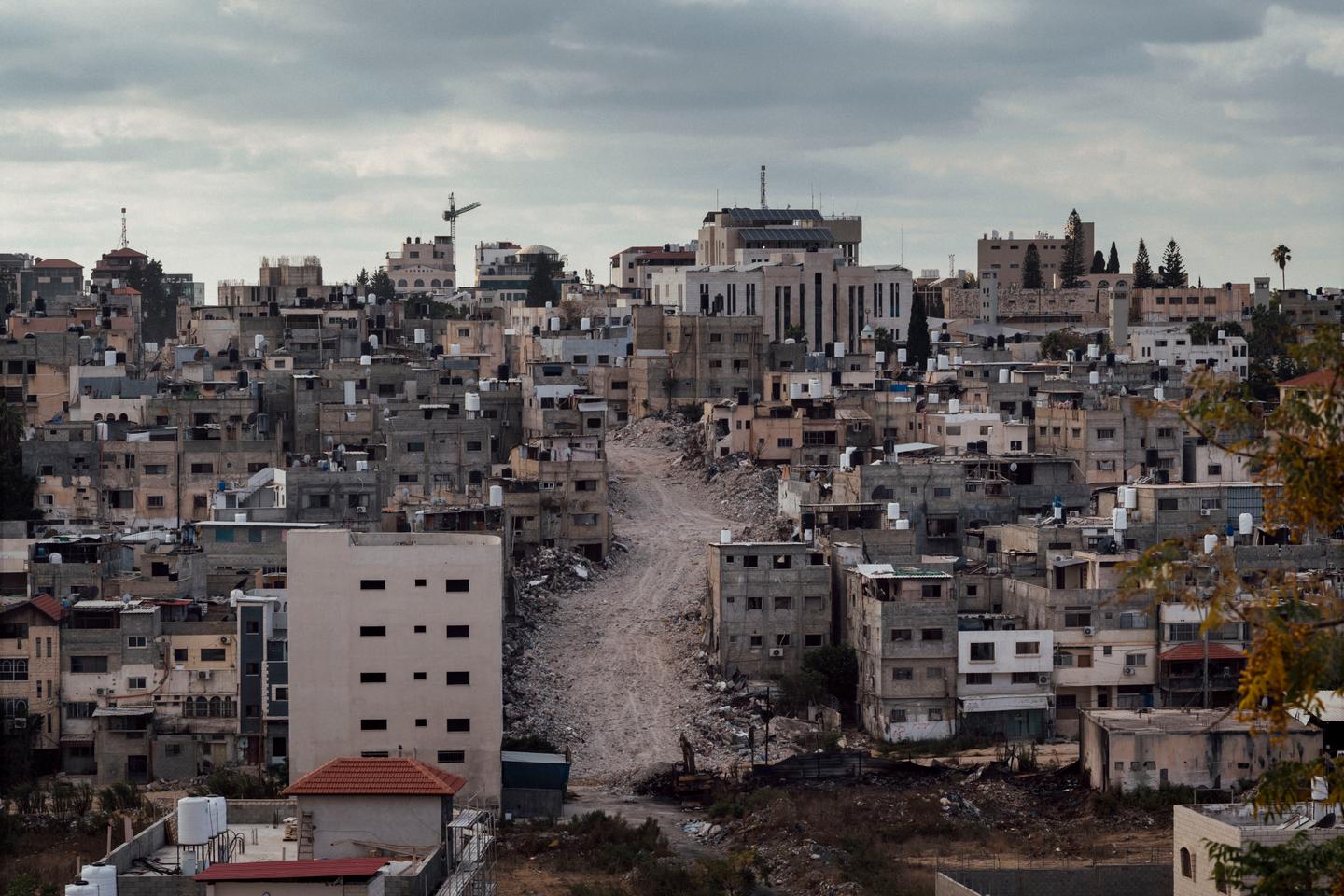
Escalating Violence in the West Bank: A Deepening Crisis
Since October 7th, the West Bank has become a focal point of escalating violence, resulting in a tragic loss of life for both Palestinians and Israelis.Over a thousand Palestinians, including both combatants and civilians, have been killed by Israeli soldiers and settlers, according to data compiled by the Associated Press from Palestinian Authority sources. Simultaneously, at least 44 Israelis, encompassing both civilians and soldiers, have lost their lives in Palestinian attacks or during Israeli military operations.
This surge in fatalities underscores a rapidly deteriorating security situation and raises serious concerns about the future of the region. It’s a complex reality demanding careful examination.
Understanding the Current Dynamics
Here’s a breakdown of key factors contributing to the crisis:
* Increased Israeli Military Operations: Israeli forces have intensified raids and operations in the West Bank, ostensibly targeting militant groups.
* Settler Violence: A significant rise in attacks by Israeli settlers against Palestinian communities has been reported. These attacks range from property damage to physical assaults.
* Palestinian Attacks: Palestinian militants have continued to launch attacks against Israeli targets, including soldiers and settlers.
* Heightened Tensions: the broader context of the Israel-Hamas conflict has fueled tensions and contributed to the escalation of violence.
You might be wondering what’s driving this cycle of violence. I’ve found that a combination of political stagnation, economic hardship, and a lack of trust between both sides are major contributing factors.
The Human Cost
The impact of this violence extends far beyond the immediate fatalities. Communities are being displaced, livelihoods are being destroyed, and a sense of fear and insecurity is pervasive.
Consider these consequences:
* Displacement: many Palestinians have been forced to leave their homes due to violence or the threat of violence.
* Economic Hardship: Restrictions on movement and access to resources are exacerbating economic difficulties for Palestinians.
* Psychological Trauma: The constant exposure to violence is taking a heavy toll on the mental health of both Palestinians and Israelis.
It’s crucial to remember that these aren’t just statistics; they represent real people whose lives are being profoundly affected.
A Related Perspective: Imposing a Reign of Terror
Recent reports suggest a deliberate strategy employed to instill fear within palestinian communities. This involves a range of tactics, including:
* Night Raids: Frequent and often aggressive nighttime raids by israeli forces.
* Collective Punishment: Measures that penalize entire communities for the actions of individuals.
* Restrictions on Movement: Severe limitations on the ability of Palestinians to travel and access essential services.
* Demolitions: The destruction of Palestinian homes and infrastructure.
These actions, critics argue, are designed to break the will of the Palestinian population and suppress any form of resistance.
Looking Ahead
The situation in the West Bank is deeply concerning and requires urgent attention. Here’s what needs to happen:
* De-escalation: Immediate steps must be taken to de-escalate the violence and prevent further loss of life.
* Accountability: Those responsible for violence,regardless of their affiliation,must be held accountable.
* Political Dialog: A renewed effort to restart meaningful political negotiations is essential.
* Humanitarian Assistance: Increased humanitarian aid is needed to address the growing needs of the affected population.
Ultimately, a lasting solution requires addressing the root causes of the conflict and creating a future where both Palestinians and Israelis can live in peace and security. It’s a challenging task, but one that is absolutely necessary.