
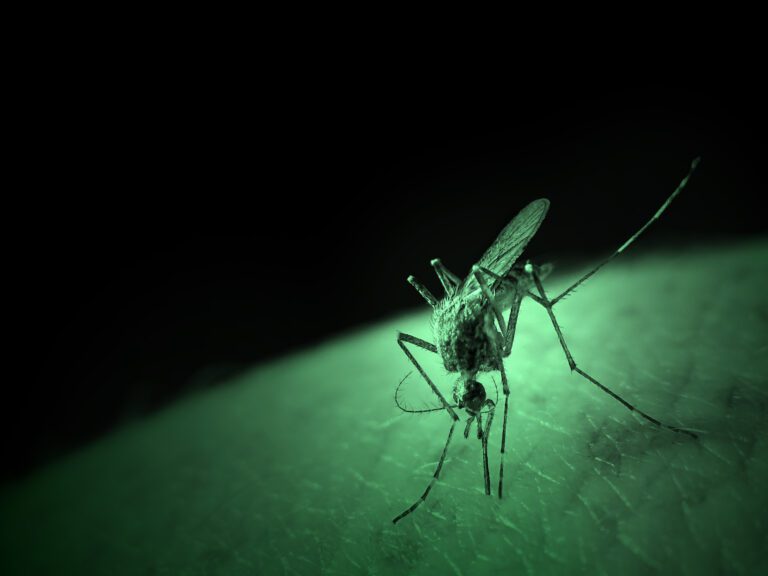
Public health officials in Southern California have confirmed the presence of West Nile virus in the region, a development that underscores the persistent seasonal threat of mosquito-borne illnesses. According to the Centers for Disease Control and Prevention (CDC), West Nile virus causes more than 130 deaths in the United States annually, highlighting the significant impact of the pathogen on public health.
The detection in Southern California follows established patterns of mosquito activity in the region, where environmental conditions often favor the breeding of vectors. Health departments are monitoring the situation to determine if the current detection indicates an uptick in human cases or if the virus is currently circulating primarily within mosquito and bird populations, which serve as the natural reservoirs for the disease.
West Nile virus is the leading cause of mosquito-borne disease in the United States. While many individuals infected with the virus do not experience symptoms, a portion of the population can develop severe, life-threatening neurological complications. Public health experts emphasize that prevention through mosquito control and personal protection remains the most effective defense against infection.
What is West Nile virus and how does it spread?
West Nile virus (WNV) is a flavivirus transmitted to humans and other animals through the bite of an infected mosquito. The transmission cycle primarily involves birds, which act as the natural hosts for the virus. When a mosquito bites an infected bird, it acquires the virus and can subsequently pass it to humans or other mammals during subsequent feedings.
The primary vectors for West Nile virus in North America are mosquitoes belonging to the Culex genus. These mosquitoes are often found in urban and suburban environments, breeding in stagnant water found in containers, clogged gutters, old tires, and poorly maintained drainage systems. According to the California Department of Public Health (CDPH), monitoring these mosquito populations is a critical component of disease surveillance.
It is important to note that West Nile virus is not spread directly from person to person. While rare cases of transmission via blood transfusion or organ transplant have been documented, the standard mode of transmission is through the mosquito-bird cycle. Because birds are the primary reservoirs, the presence of the virus in local bird populations often serves as an early warning sign for potential human risk.
Why is West Nile virus surfacing in Southern California?
The emergence of West Nile virus in Southern California is closely tied to seasonal shifts and local environmental factors. Mosquito populations typically surge during warmer months when standing water and rising temperatures facilitate rapid breeding cycles. In Southern California, urban development and landscape irrigation can create micro-habitats that support Culex mosquito colonies.

Climate patterns also play a significant role in the distribution of the virus. Fluctuations in rainfall and temperature can influence both the density of mosquito populations and the activity levels of the bird species that carry the virus. When heavy rains are followed by periods of warmth, stagnant water accumulates in various urban areas, providing ideal breeding grounds.
Public health agencies in Southern California, including local county health departments, utilize mosquito trapping and testing to track the prevalence of the virus. When mosquito pools test positive for West Nile virus, it triggers increased surveillance and public advisories to alert residents to the heightened risk of transmission in their specific area.
Recognizing West Nile virus symptoms: From mild to severe
The clinical presentation of West Nile virus varies significantly among infected individuals. Medical professionals categorize the symptoms into two main groups: non-neuroinvasive West Nile fever and neuroinvasive disease.
Most people infected with West Nile virus do not develop any symptoms at all. However, for those who do, the most common manifestation is West Nile fever. This typically includes symptoms such as:
- Fever
- Headache
- Body aches and joint pains
- Rash, often on the trunk of the body
- Vomiting or diarrhea
- Sensitivity to light
In a smaller percentage of cases—estimated at less than 1% of infections—the virus can lead to neuroinvasive disease. This occurs when the virus crosses the blood-brain barrier, causing inflammation of the brain (encephalitis) or the membranes surrounding the brain and spinal cord (meningitis). According to Mayo Clinic clinical data, neuroinvasive symptoms can be severe and include:
- High fever
- Severe headache
- Neck stiffness
- Disorientation or confusion
- Tremors or muscle weakness
- Seizures
- Coma
Neuroinvasive disease is a medical emergency and requires immediate clinical intervention. Older adults and individuals with underlying medical conditions, such as cancer or organ transplants, are at a statistically higher risk for developing these severe complications.
How to reduce West Nile virus risk in your community
Since there is currently no widely available vaccine for West Nile virus in humans, prevention strategies focus on reducing mosquito exposure and eliminating breeding sites. Public health officials recommend a multi-tiered approach involving personal protection and environmental management.
Personal Protection Measures
To minimize the risk of mosquito bites, the CDC recommends several practical steps:
- Use EPA-registered insect repellents: Look for products containing active ingredients such as DEET, picaridin, IR3535, or oil of lemon eucalyptus.
- Wear protective clothing: When spending time outdoors, especially at dawn and dusk when mosquitoes are most active, wear long-sleeved shirts and long pants.
- Treat clothing with permethrin: Applying permethrin to clothing can provide an additional layer of protection against mosquito bites.
Environmental Management
Eliminating mosquito breeding grounds is a critical community-wide responsibility. Homeowners and property managers can reduce local mosquito populations by:
- Emptying standing water: Regularly check and empty flowerpots, birdbaths, pet water bowls, gutters, and discarded containers.
- Maintaining drainage: Ensure that gutters and drains are clear of debris to prevent water from pooling.
- Using mosquito dunks: In areas where standing water cannot be eliminated, such as decorative ponds, use Bti (Bacillus thuringiensis israelensis) dunks, which are biological larvicides that target mosquito larvae.
West Nile virus: Understanding the CDC mortality data
The statistic that West Nile virus causes over 130 deaths annually in the United States serves as a stark reminder of the virus’s potential lethality. While the number of annual deaths fluctuates based on the severity of the seasonal outbreak, the mortality rate remains a primary concern for epidemiologists.
The discrepancy between the high number of infections and the relatively low number of deaths is due to the fact that the vast majority of West Nile virus cases are asymptomatic or mild. However, the clinical burden is significant because the neuroinvasive cases that do occur often result in long-term neurological impairment or death. This makes the surveillance of even “mild” outbreaks essential for preventing a surge in severe cases.
By comparing current detection rates in Southern California to historical data, health officials can gauge whether the region is entering a high-risk period. This data-driven approach allows for the strategic allocation of resources, such as mosquito abatement programs and public awareness campaigns, to the areas most in need of intervention.
Frequently Asked Questions
Can West Nile virus be spread from person to person?
No, West Nile virus is not spread through casual contact like touching, kissing, or coughing. It is transmitted to humans through the bite of an infected mosquito. While transmission via blood products has occurred, it is not a common route of infection.
Is there a vaccine available for West Nile virus?
There is currently no FDA-approved vaccine for West Nile virus in humans. While vaccines exist for horses, human prevention relies entirely on mosquito control and personal protection measures.
Who is most at risk for severe illness?
While anyone can be infected, individuals aged 60 and older and those with certain medical conditions (such as immunosuppression) are at a higher risk for developing severe neuroinvasive disease.
How long is the incubation period?
The incubation period—the time between being bitten by an infected mosquito and the onset of symptoms—typically ranges from 3 to 14 days.
Local health departments are expected to provide updated surveillance reports as more mosquito and human testing results become available. Residents are encouraged to monitor official communications from their county’s public health agency for specific localized alerts.
Have questions about mosquito safety or local health alerts? Share this article with your community and leave your comments below to join the conversation.