
For many expectant parents, the first few months of pregnancy can feel like a whirlwind of contradictory emotions and physical challenges. The sudden onset of profound fatigue, the relentless wave of nausea often termed “morning sickness,” and the overwhelming hormonal shifts can make the early stages of gestation feel more like a battle of endurance than a joyful anticipation. However, there is a well-documented turning point where the fog begins to lift and the physical burden eases.
This transition, often described as the period when “things start to get a little better,” typically coincides with the entry into the second trimester. For most, this represents a shift from survival mode to a phase of increased energy and relative comfort. Understanding the physiological reasons behind this shift—and how medical professionals track this progress—is essential for managing expectations and ensuring a healthy pregnancy journey.
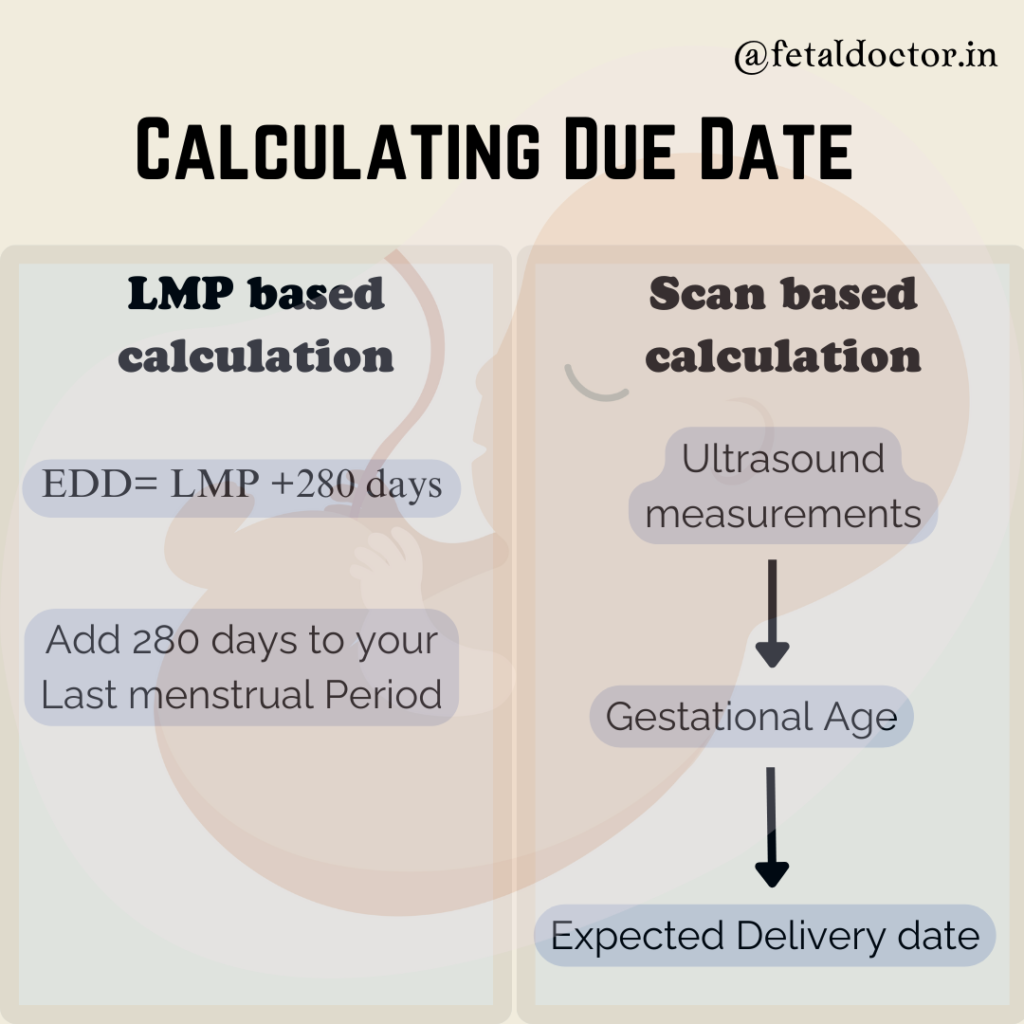
As a physician and health journalist, I have seen how the disparity between “gestational age” and “fetal age” often confuses patients. In many European medical contexts, particularly in France, you will encounter the term semaine d’aménorrhée (SA). This refers to the number of weeks since the first day of the last menstrual period (LMP), which serves as the standard clinical baseline for dating a pregnancy, even though conception typically occurs about two weeks later.
The Second Trimester: Why Pregnancy Symptoms Improve
The perceived “improvement” in symptoms during the second trimester is not a coincidence; it is the result of significant biological transitions. The primary driver of early pregnancy symptoms is the rapid rise of human chorionic gonadotropin (hCG), a hormone produced by the developing placenta. While hCG is vital for maintaining the pregnancy, high levels are closely linked to nausea and vomiting. By the second trimester, hCG levels typically peak and then begin to plateau or decline, leading to a reduction in nausea for the majority of women according to the Mayo Clinic.
Simultaneously, the placenta becomes fully functional, taking over the production of progesterone and estrogen from the corpus luteum. This stabilization of hormone production often results in a surge of energy, often referred to as the “pregnancy glow.” The extreme exhaustion that characterizes the first 12 weeks usually subsides as the body adapts to the metabolic demands of supporting a growing fetus.
However, “better” is a relative term. While the nausea may fade, new symptoms emerge. As the uterus expands, the center of gravity shifts, and the ligaments supporting the uterus stretch, which can lead to round ligament pain—a sharp, sudden sensation in the lower abdomen or groin area. Despite these new challenges, the absence of constant nausea generally leads to a significant improvement in overall quality of life.
Decoding the Dating: Semaine d’Aménorrhée (SA) vs. Gestational Age
One of the most common points of confusion in prenatal care is how pregnancy is measured. In global medical practice, there are two primary ways to track progress: by the date of the last menstrual period (LMP) or by the date of conception.
Semaine d’Aménorrhée (SA), or weeks of amenorrhea, is the clinical standard used in many regions. Because the exact date of ovulation and conception can be difficult to pinpoint, doctors use the first day of the last period as a reliable marker. When a healthcare provider says a patient is at 12 SA, they mean it has been 12 weeks since the last period started, even though the embryo has only been developing for approximately 10 weeks.
This distinction is critical for scheduling prenatal screenings and ultrasounds. For instance, the first-trimester screening, which assesses the risk of chromosomal abnormalities, is typically performed between 11 and 13 weeks and 6 days of gestation (SA). Using a consistent dating system ensures that medical interventions and screenings occur at the precise biological window required for accuracy as outlined by the NHS.
Comparison of Pregnancy Dating Methods
| Term | Reference Point | Common Usage | Typical Calculation |
|---|---|---|---|
| Semaine d’Aménorrhée (SA) | First day of Last Menstrual Period (LMP) | Clinical/Medical Standard | LMP + weeks elapsed |
| Fetal Age / Gestational Age | Date of Conception/Fertilization | Layperson/Biological Age | SA minus approximately 2 weeks |
The Comprehensive Pregnancy Symptoms Timeline
While every pregnancy is unique, there is a general trajectory of symptoms that helps patients understand what to expect and when to seek medical advice. Tracking these changes helps distinguish between normal physiological adaptations and potential complications.
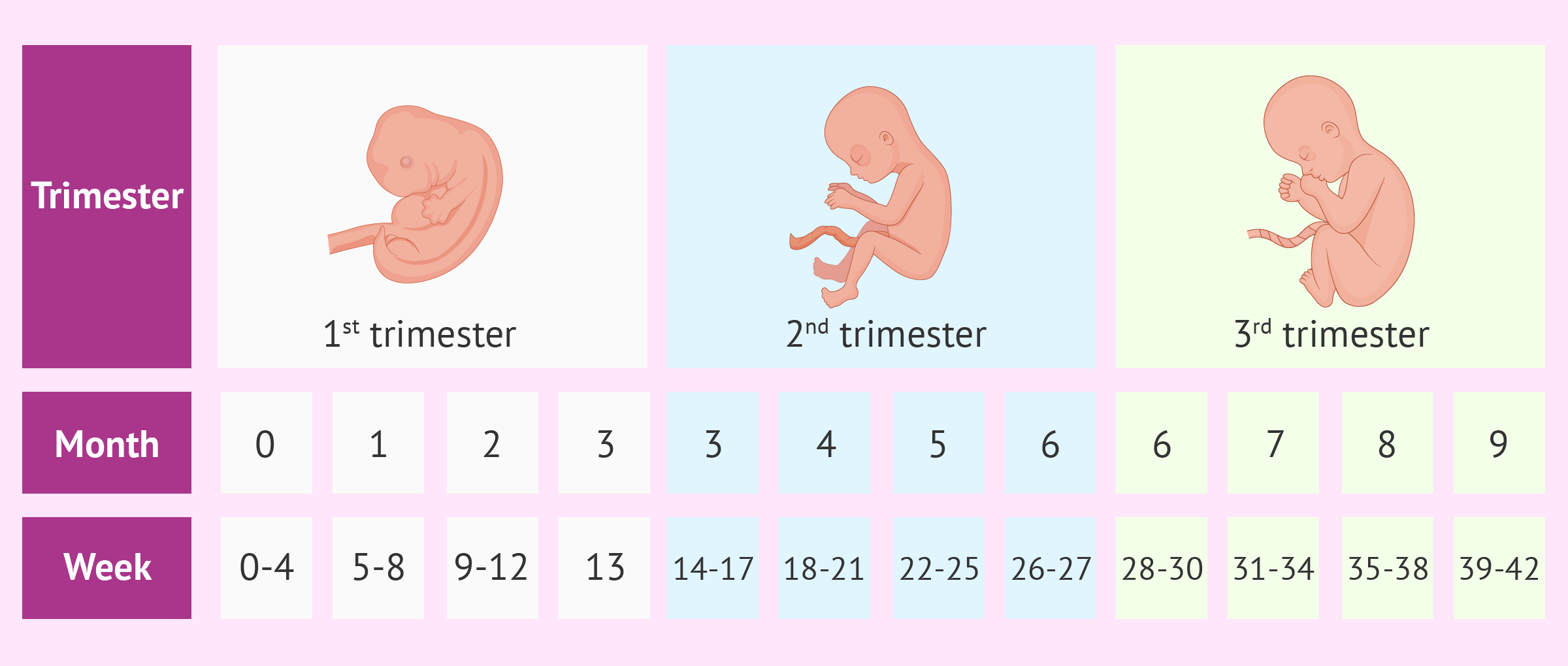
The First Trimester (Weeks 1–12 SA)
This period is defined by rapid hormonal change. Common symptoms include:
- Nausea and Vomiting: Often peaking between weeks 8 and 11.
- Extreme Fatigue: Caused by rising progesterone levels and the energy required to build the placenta.
- Breast Tenderness: An early sign of pregnancy due to increased blood flow and hormonal shifts.
- Frequent Urination: Resulting from both hormonal changes and the uterus beginning to press on the bladder.
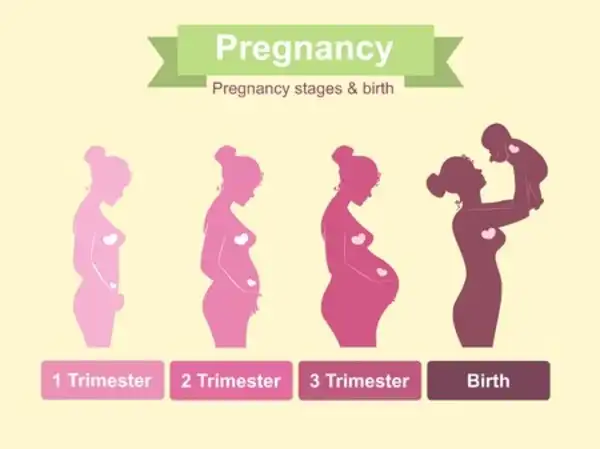
The Second Trimester (Weeks 13–26 SA)
Often called the “golden period,” this phase is characterized by the relief of early symptoms and the first physical sensations of the baby’s movement.
- Increased Energy: As hCG levels stabilize, many women feel a return of their pre-pregnancy vitality.
- Quickening: The first movements of the fetus, typically felt between 16 and 22 weeks, depending on whether it is the mother’s first pregnancy.
- Skin Changes: The appearance of the “glow” or, conversely, melasma (the “mask of pregnancy”) due to increased melanin production.
- Appetite Return: As nausea fades, nutritional needs increase to support fetal growth.
The Third Trimester (Weeks 27–40+ SA)
The final stretch focuses on growth and preparation for birth, bringing a new set of physical challenges.
- Shortness of Breath: As the uterus grows upward, it puts pressure on the diaphragm.
- Back Pain and Pelvic Pressure: Due to the shift in the center of gravity and the hormone relaxin loosening the pelvic joints.
- Edema: Swelling in the ankles and feet is common due to increased fluid volume and pressure on the veins.
- Braxton Hicks Contractions: “Practice” contractions that prepare the uterus for labor.
When “Better” Isn’t Enough: Recognizing Red Flags
While it is normal for symptoms to fluctuate, some experiences require immediate medical attention. The transition to the second trimester should generally be an improvement; however, if symptoms persist or worsen, it may indicate an underlying issue.
Hyperemesis Gravidarum: While mild nausea is common, severe, persistent vomiting that leads to dehydration, weight loss, and electrolyte imbalance is known as hyperemesis gravidarum. This condition does not always resolve at the start of the second trimester and may require intravenous fluids or medication according to the American College of Obstetricians and Gynecologists (ACOG).
patients should be vigilant for signs of preeclampsia, particularly as they move toward the third trimester. Symptoms such as sudden swelling in the face and hands, severe headaches that do not respond to medication, or visual disturbances (blurring or spotting) are urgent warning signs that require immediate evaluation by a healthcare provider.
Practical Guidance for the Transition Period
To maximize the benefits of the second trimester and prepare for the challenges of the third, expectant parents should focus on sustainable health practices. Here’s the ideal time to reintroduce a wider variety of nutrient-dense foods that may have been avoided during the nausea-heavy first trimester.
Focusing on iron-rich foods (such as spinach, lean meats, and legumes) and calcium is vital, as the fetus’s demand for these nutrients increases significantly during the second and third trimesters to support skeletal development. Maintaining a moderate exercise routine, such as prenatal yoga or walking, can also mitigate the back pain and swelling that typically emerge later in pregnancy.
this phase is the optimal time for the “anatomy scan,” a detailed ultrasound usually performed between 18 and 22 weeks. This scan provides a comprehensive view of the fetus’s development, checking the heart, brain, kidneys, and limbs to ensure growth is proceeding as expected.
Key Takeaways for Expectant Parents
- The “Better” Phase: Most women experience a reduction in nausea and fatigue around 13–14 weeks (SA) as the placenta takes over hormone production.
- SA Explained: Semaine d’aménorrhée (SA) counts weeks from the last period, not the date of conception.
- Symptom Shift: Expect a move from hormonal symptoms (nausea) to mechanical symptoms (back pain, pressure) as the pregnancy progresses.
- Medical Vigilance: Severe vomiting or sudden swelling should always be reported to a provider, regardless of the trimester.
The journey through pregnancy is a series of physiological milestones. While the first trimester often feels like a test of willpower, the transition into the second trimester offers a welcome reprieve and a chance to connect more deeply with the growing life within. By understanding the timeline of symptoms and the medical terminology used to track them, parents can navigate this experience with greater confidence and less anxiety.
The next major clinical checkpoint for most is the mid-pregnancy anatomy scan, typically scheduled between weeks 18 and 22 of gestation. This appointment provides the most detailed look at fetal development and is often the moment when the pregnancy feels most “real” for the parents.
Do you have questions about your pregnancy timeline or the symptoms you are experiencing? Share your experience in the comments below or consult your healthcare provider for personalized medical advice.
Worth a look