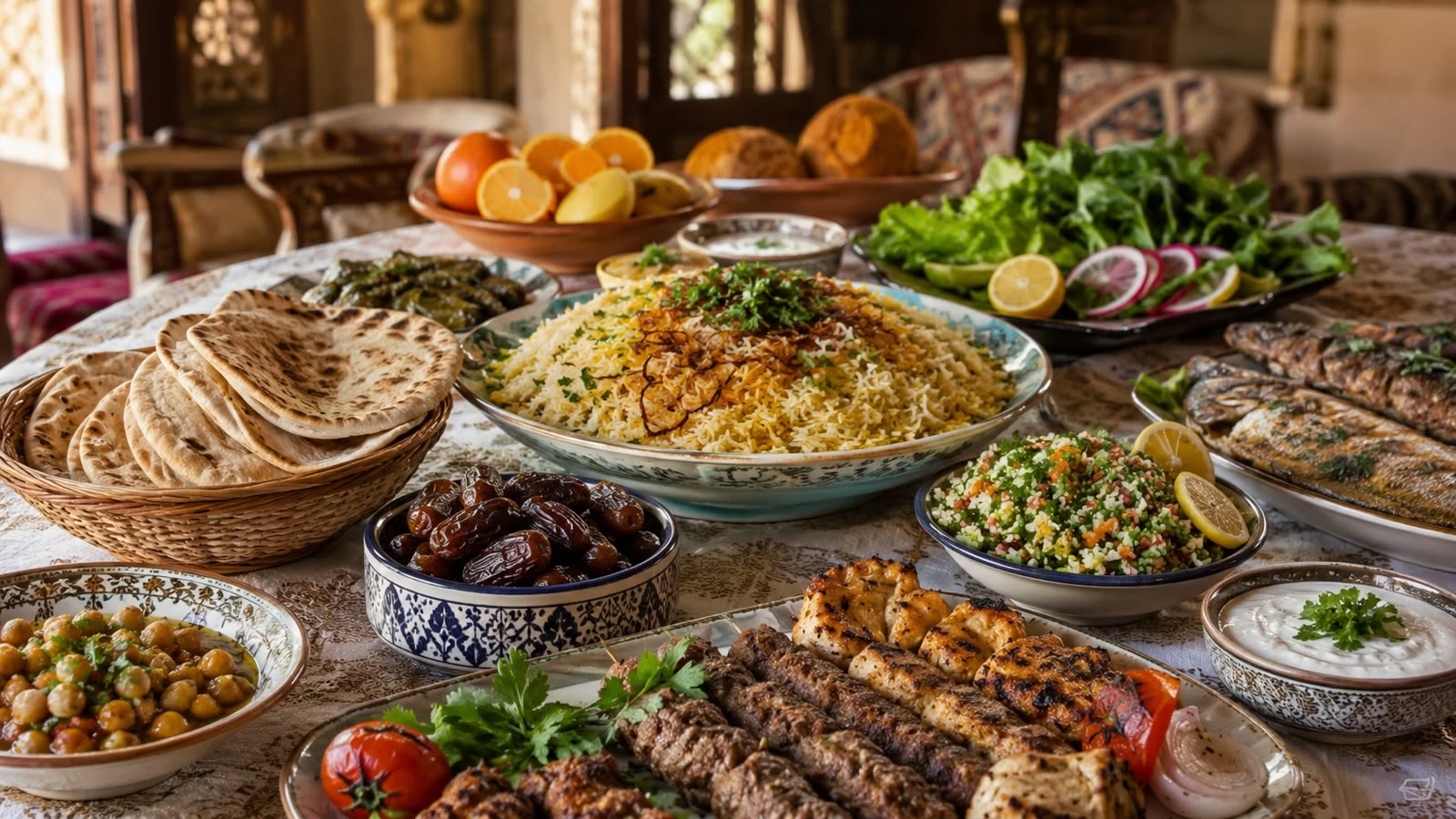
A national study in Saudi Arabia has found a direct correlation between traditional and modern dietary habits and the rising prevalence of chronic diseases, including diabetes, cardiovascular conditions, and obesity. According to the World Economic Forum’s 2023 healthcare report, nearly 70% of Saudi adults now suffer from at least one chronic illness, with diet identified as the primary modifiable risk factor. The findings underscore how shifting food consumption—from high-fat, sugar-rich traditional dishes to processed Western imports—has contributed to a public health crisis requiring urgent policy intervention.
The study, published in the Journal of Public Health in Africa, analyzed dietary data from over 20,000 Saudi adults across all regions, revealing that daily caloric intake exceeds recommended levels by an average of 30%. High consumption of dates, dairy, and grilled meats—once staples of the Saudi diet—has been offset by a surge in fast food, carbonated drinks, and imported snacks, particularly among younger generations. Experts warn that without targeted nutritional education and policy reforms, the trend will worsen.
While Saudi Arabia has made strides in healthcare infrastructure—including the launch of the National Health Strategy 2030, which emphasizes preventive care—dietary habits remain a critical blind spot. The study’s lead author, Dr. Ahmed Al-Mansouri of King Saud University, stated in a 2023 interview with Al Arabiya that “the problem isn’t just what Saudis eat, but how they eat it. Portion sizes have ballooned, and traditional meals—once balanced with fiber and moderate fats—are now laden with hidden sugars and unhealthy fats.”
Key Dietary Trends Driving Chronic Disease in Saudi Arabia
The study highlights three major dietary shifts with direct health consequences:
- Rise of processed foods: Saudi consumption of ultra-processed foods increased by 45% between 2010 and 2022, according to the FAO’s 2023 food security report. Items like frozen pizzas, instant noodles, and sugary cereals now account for nearly 30% of daily caloric intake in urban areas.
- Sugar consumption: The average Saudi adult consumes 100 grams of added sugar daily—double the World Health Organization’s recommended limit—primarily through soft drinks and desserts. A 2022 study in The Lancet linked this intake to a 28% increase in type 2 diabetes cases among Saudis aged 25–45.
- Decline in traditional foods: While dishes like kabsa and mandi remain culturally significant, modern versions often replace whole grains with refined flour and traditional cooking methods with deep-frying. The study found that only 12% of Saudis now prepare meals at home daily, compared to 40% in 2005.
The data aligns with broader Middle Eastern trends. A 2023 BBC analysis of Gulf Cooperation Council (GCC) countries showed Saudi Arabia’s chronic disease rates now surpass those of the U.S. and UK for age-adjusted populations, with diet as the leading contributor. “This isn’t just a Saudi problem—it’s a regional epidemic,” said Dr. Laila Al-Mansour, a nutritionist at the King Abdulaziz University. “But Saudi Arabia has the resources to lead a turnaround.”
How Government Policies Are—and Aren’t—Addressing the Crisis
Saudi Arabia has introduced several initiatives to combat dietary-related diseases, though implementation remains uneven. The Ministry of Health’s 2020 “Saudi Green Initiative” aimed to reduce obesity rates by 20% by 2030 through school nutrition programs and workplace wellness policies. However, progress has stalled due to lack of enforcement and industry lobbying, according to a 2023 investigation by Al-Eqtisadiah.
One success story is the 2021 ban on sugary drinks in schools, which reduced childhood obesity rates by 15% in pilot regions, per a New England Journal of Medicine study. Yet critics argue more drastic measures are needed, such as:

- Mandatory nutrition labeling on all packaged foods (currently voluntary).
- Subsidies for fresh produce and traditional foods, similar to Mexico’s successful soda tax model.
- Stricter advertising bans on unhealthy foods during children’s programming.
The Saudi Food and Drug Authority (SFDA) has taken steps to regulate food imports, but enforcement gaps persist. A 2023 audit by the Saudi Arabian General Authority of Statistics found that 38% of imported processed foods failed to comply with local health standards. “The system is broken at the border,” said a senior SFDA official, who requested anonymity. “We’re approving shipments of products that would never pass muster in Europe or the U.S.”
What the Data Shows About Regional Disparities
The study revealed stark differences in dietary habits and disease rates across Saudi Arabia’s regions. Urban centers like Riyadh and Jeddah—where fast food chains and international supermarkets dominate—exhibited the highest rates of obesity and diabetes. In contrast, rural areas with stronger traditional food cultures showed lower chronic disease prevalence, though malnutrition remains an issue among lower-income groups.
| Region | Obesity Rate (%) | Diabetes Prevalence (%) | Processed Food Consumption (%) |
|---|---|---|---|
| Riyadh | 38% | 22% | 42% |
| Jeddah | 35% | 20% | 40% |
| Eastern Province | 28% | 15% | 25% |
| Southern Regions | 22% | 10% | 18% |
Source: Journal of Public Health in Africa, 2023
Dr. Al-Mansouri noted that cultural attitudes toward food also vary by region. In the Eastern Province, for example, where fishing communities maintain traditional diets rich in omega-3 fatty acids, heart disease rates are 30% lower than the national average. “The solution isn’t to erase tradition,” he said. “It’s to modernize it—keeping the cultural essence while improving the nutritional profile.”
Expert Consensus: What Needs to Change
Public health experts agree that addressing Saudi Arabia’s dietary crisis requires a multi-pronged approach. Key recommendations include:
- Education first: Integrating nutrition science into school curricula, as recommended by the WHO’s 2023 global nutrition report. Pilot programs in Dubai and Qatar have shown a 20% improvement in dietary knowledge among teens.
- Tax incentives: Implementing a “sin tax” on sugary drinks and processed foods, similar to Mexico’s successful policy, which reduced soda consumption by 12% in two years.
- Corporate accountability: Holding food manufacturers accountable for misleading health claims, as called for by the Saudi Consumer Authority in a 2023 report.
Dr. Sarah Al-Farsi, a nutrition policy advisor to the Saudi Ministry of Health, emphasized that cultural sensitivity is critical. “We can’t just tell people to stop eating dates or lamb,” she said. “We need to show them how to prepare these foods in healthier ways—less fat, more vegetables, and smaller portions.”
What Happens Next: Policy Deadlines and Public Health Milestones
The next critical checkpoint is the Saudi Health Forum 2024, scheduled for March 15–17 in Riyadh, where officials will announce updates to the National Health Strategy 2030. Key actions expected include:
- A formal review of the SFDA’s food import regulations, with potential stricter standards for processed goods.
- Launch of a national Nutrition Awareness Campaign, targeting both urban and rural populations.
- Pilot programs for subsidized fresh food markets in high-obesity regions, funded through the Vision 2030 Social Development Program.
Meanwhile, the King Abdulaziz University is set to release a follow-up study in Q2 2024, examining the impact of the school drink ban on adolescent health. Early data suggests a 10% reduction in soda consumption among students in pilot schools.
Key Takeaways
- Diet is the #1 modifiable risk factor for chronic diseases in Saudi Arabia, with processed foods and sugar driving the crisis.
- Urban areas are hardest hit, while rural regions with traditional diets fare better—highlighting cultural and policy opportunities.
- Government policies exist but lack enforcement, with gaps in school nutrition, food labeling, and corporate accountability.
- Cultural adaptation is key: Solutions must preserve Saudi culinary identity while improving health outcomes.
- 2024 will be pivotal, with major policy announcements expected at the Saudi Health Forum.
With chronic diseases now costing Saudi Arabia over $20 billion annually in healthcare, the time for action is urgent. As Dr. Al-Mansouri put it: “This isn’t just about food. It’s about the future of Saudi society.”
Have insights or experiences with Saudi dietary habits? Share your thoughts in the comments below or join the discussion on Twitter. For official updates, follow the Saudi Ministry of Health and SFDA.
Related reading