In the expansive and often jargon-heavy world of massive multiplayer online gaming, terminology often takes on a life of its own. Players frequently find themselves debating the etymology of spell names, ability titles, and class mechanics. A common point of contention—often surfacing in community forums—revolves around why certain abilities, such as “Blizzard” or “Riptide,” seem to defy their literal definitions in the context of their actual mechanical function. As a sports editor who has spent years analyzing the tactical nuances of football and the precise language of professional athletics, I find this linguistic dissonance fascinating. Just as a “knuckleball” in baseball describes a specific physical trajectory regardless of its meteorological implications, gaming terminology often prioritizes thematic flavor over clinical accuracy.
The question of why a spell like “Riptide”—an ability famously associated with Restoration Shamans in World of Warcraft—is named for a powerful coastal phenomenon when its in-game effect is a restorative burst of water, highlights a fundamental design philosophy: the marriage of fantasy immersion and mechanical identity. In the official World of Warcraft documentation, Blizzard Entertainment consistently utilizes thematic naming conventions to ground the player’s experience in the game’s lore. While a real-world rip current is a hazardous, narrow channel of water moving away from the shore, the in-game Riptide functions as a localized healing surge. This naming choice suggests an attempt to evoke the imagery of a powerful, surging force of nature, redirected toward the benefit of an ally rather than the destruction of an obstacle.
The Intersection of Fantasy Lore and Mechanical Design
To understand why developers choose these specific monikers, one must look at the history of game design. In titles developed by Activision Blizzard, the naming of abilities is rarely accidental. It serves as a narrative anchor. When a player casts “Blizzard,” they are calling upon the elemental forces of frost to create an area-of-effect storm. While a meteorologist might argue that a true blizzard requires specific wind speeds and visibility constraints, in the context of high fantasy, the name conveys the experience of the spell: biting cold, restricted movement, and overwhelming environmental pressure. The intent is to communicate the spell’s impact on the battlefield instantly, using language that players intuitively understand.

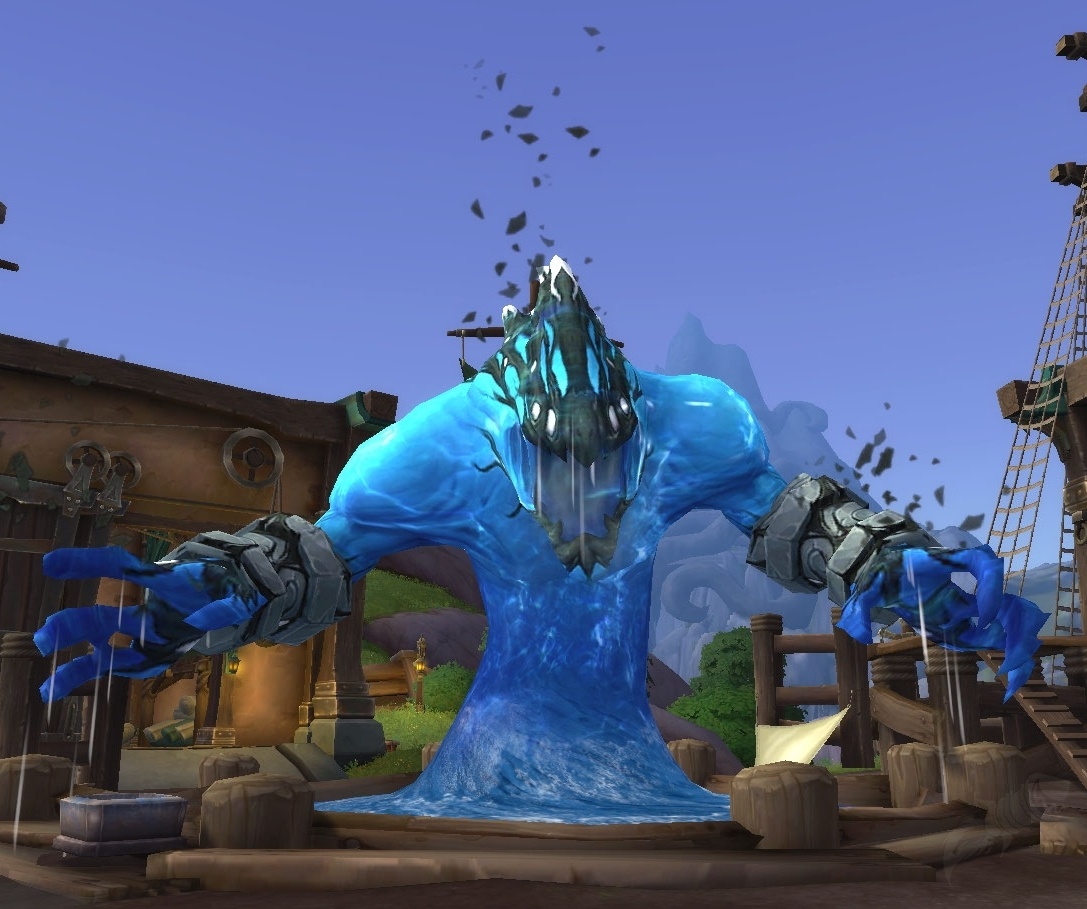
This design principle is common across the industry. Game developers often favor evocative, high-impact nouns that align with the elemental archetype of the character class. A Shaman, rooted in the elemental forces of earth, fire, air, and water, naturally draws from the lexicon of natural disasters. “Riptide” sounds more urgent and powerful than “Healing Spritz” or “Minor Water Infusion.” By borrowing from the vocabulary of powerful natural events, the developers elevate the stakes of the gameplay, turning a standard healing rotation into a narrative event where the player is literally channeling the ocean’s power.
Why Terminology Matters in Competitive Gaming
From an analytical perspective, the language we use to describe game mechanics impacts how we perceive balance and performance. In professional sports, we talk about “momentum” or “rhythm”—concepts that are intangible yet vital to victory. In the same way, the naming of abilities in games like World of Warcraft helps players categorize their toolkit. When a community forum user asks why an ability is named one thing when it functions as another, they are essentially engaging in a critique of the game’s “flavor text” versus its “utility.”
This dialogue is essential for the longevity of a game. It shows that the player base is deeply invested in the world-building. Even when the mechanics seem disconnected from the real-world definition of the word, the community’s attempt to reconcile these differences demonstrates a high level of engagement with the game’s official support systems and patch notes, where developers often provide context for ability reworks or balancing changes. Understanding the “why” behind a name can often lead to a deeper appreciation for the class design as a whole.
Key Considerations for Ability Naming
- Thematic Consistency: Abilities must fit the archetype of the character (e.g., Shamans use water-themed terminology).
- Readability: Names should provide an immediate mental image of the spell’s function.
- Fantasy Immersion: Using powerful, evocative language makes the gameplay feel epic rather than purely transactional.
- Mechanical Clarity: While names provide flavor, the actual math—cooldowns, mana costs, and healing coefficients—remains the true driver of competitive performance.
The Future of Gameplay Linguistics
As games continue to evolve, the trend toward more descriptive, flavor-heavy naming conventions is unlikely to wane. Developers are increasingly focused on narrative integration, ensuring that every button press feels like a deliberate choice within the story of the character. For players, this means that the debates regarding the accuracy of ability names will continue to be a staple of online discussion boards. It is a sign of a healthy, active community that cares about the nuances of their favorite titles.
The next time you find yourself questioning the logic behind a spell name, remember that you are participating in a long tradition of myth-making. Whether it is a “Blizzard” that acts like a localized hail storm or a “Riptide” that functions as a healing wave, these names serve a purpose that goes beyond the dictionary. They define the atmosphere, the identity, and the very soul of the game we play.
We encourage you to share your thoughts on this topic. Do you prefer ability names that are strictly descriptive, or do you enjoy the flair of high-fantasy terminology? Join the conversation in our comments section below, and stay tuned for the next major content update from the developers, which typically provides the most accurate insights into future mechanical adjustments and balancing changes for all character classes.