For many, the arrival of spring is a welcome transition. However, for millions of others, it marks the beginning of a grueling seasonal struggle with respiratory allergies. While often dismissed as a mere nuisance, these reactions represent a complex biological malfunction where the body’s defense system overreacts to the environment.
An allergy is essentially an excessive reaction of the immune system to substances that are normally harmless, known as “allergens.” These can include common environmental triggers such as pollens, dust mites, or certain foods. In medical terms, this is a disproportionate inflammatory response to an external stimulus where the immune system “runs wild”.
Understanding the mechanics of this response is critical for those seeking relief. The process is not immediate but occurs in stages, beginning with a period of sensitization that primes the body for future reactions. Once the system is sensitized, even a small amount of an allergen can trigger a cascade of symptoms that affect the respiratory tract and overall quality of life.
The Biological Mechanism: How Sensitization Works
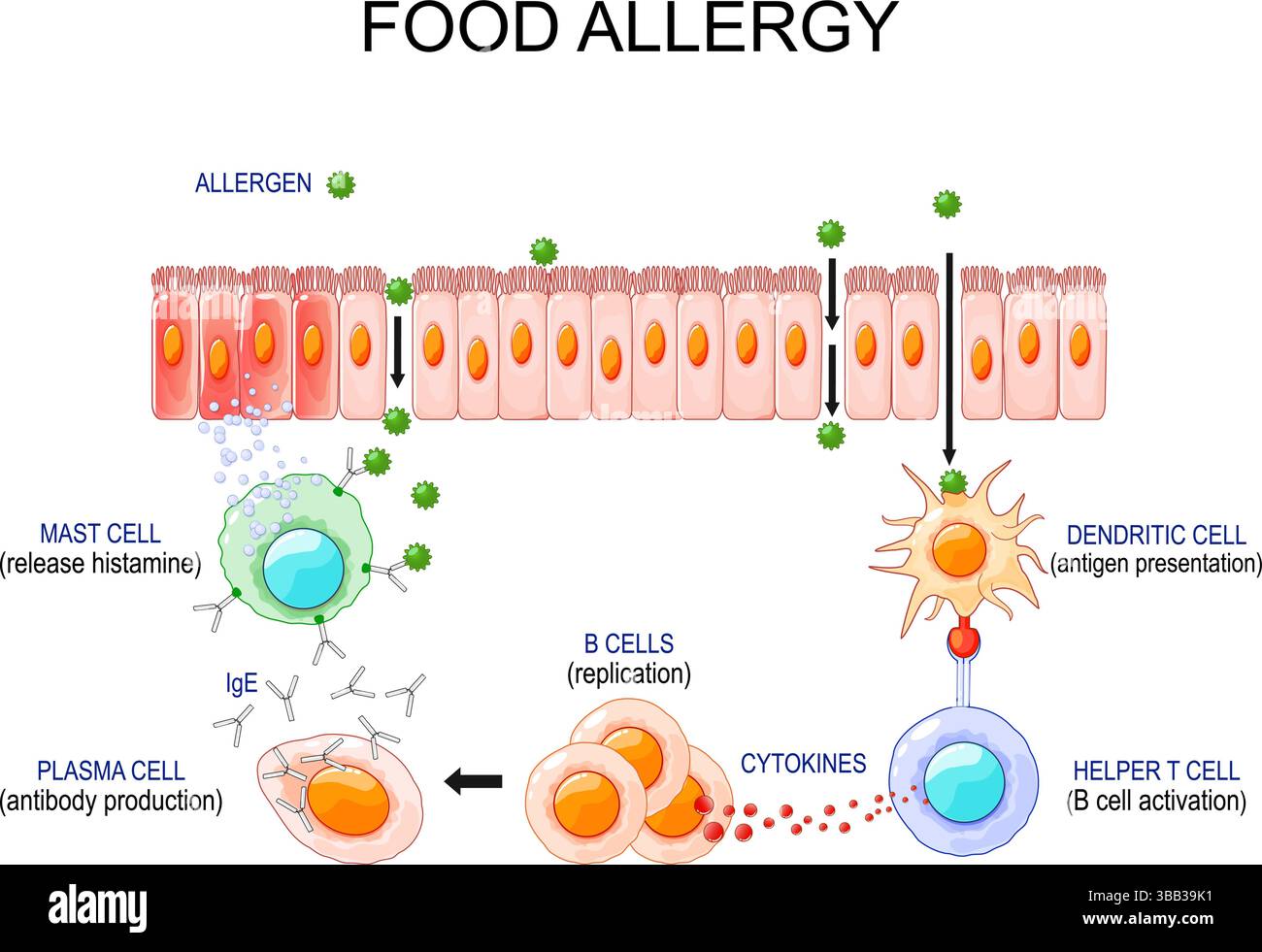
The development of an allergy begins with the first exposure to an allergen, a phase known as sensitization. During this initial encounter, the body does not necessarily produce a visible reaction, but it does initiate a specific immune response to the substance—whether it be pollen, animal hair, or dust mites.
During this first phase, the individual’s body produces specialized antibodies called immunoglobulines E, or IgE. These IgE antibodies are designed to recognize and bind specifically to the allergen in question acting as a biological marker for the immune system. Once these antibodies are present, the body is “primed.” Upon subsequent exposures, the IgE antibodies trigger a rapid inflammatory response, leading to the classic symptoms of an allergic reaction.
Managing Pollen Exposure and Environmental Triggers
For those suffering from seasonal respiratory allergies, the timing of pollen emission is the primary driver of symptom severity. Because different plant species release pollen at different times, monitoring the environment is a key strategy for management.
Daily observation of local vegetation allows for the detection of when specific species initiate and end their pollen emission. This information is vital for allergic individuals and is often disseminated through healthcare professionals or public health alerts to help patients time their medications and limit exposure via government health guidance.
Key Takeaways for Allergy Management
- Sensitization: Allergies start with an initial exposure where the body produces IgE antibodies.
- Triggers: Common allergens include pollen, dust mites, and animal dander.
- Response: An allergy is a disproportionate inflammatory reaction by the immune system to harmless substances.
- Prevention: Tracking pollen emission dates helps in managing exposure and timing treatments.
As we continue to monitor environmental shifts and public health data, staying informed through official health channels remains the best defense against seasonal triggers. If you have experienced a change in your respiratory health this season, we encourage you to share your experience in the comments below or consult with a healthcare provider.
Worth a look