/data/photo/2026/04/20/69e6344c719a0.jpg)
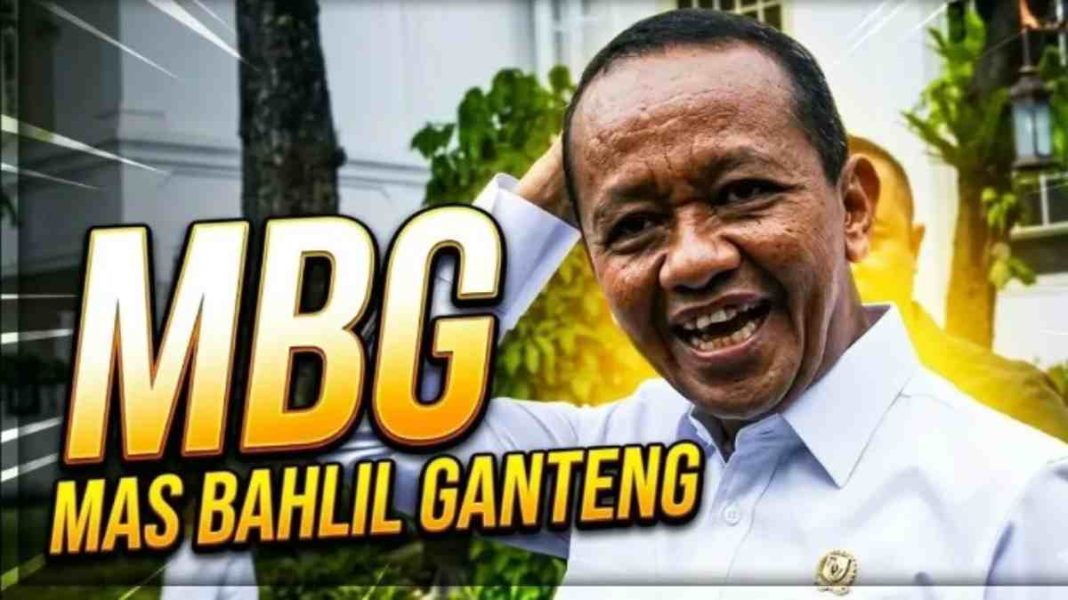
In the rapidly evolving landscape of Indonesian digital culture, the emergence of the jingle “Mas Bahlil Ganteng” has captured significant attention across social media platforms. As a journalist covering the intersection of public figures, digital trends, and political communication, it is essential to distinguish between organic viral phenomena and intentional strategic messaging. This catchy, rhythmic composition has permeated the “For You Page” (FYP) on TikTok and various Instagram feeds, prompting discussions among netizens about its origins and its potential implications for the political image of Bahlil Lahadalia, the Minister of Energy and Mineral Resources of the Republic of Indonesia.
The ubiquity of the jingle—often associated with the acronym “MBG”—serves as a case study in how modern political figures are increasingly integrated into the vernacular of youth-oriented social media. While the jingle itself is presented as a lighthearted, repetitive musical piece, its proliferation invites a broader examination of how political branding leverages viral trends to maintain public visibility. Whether this trend translates into tangible political capital for the Golkar Party, of which Bahlil Lahadalia serves as the General Chairman, remains a subject of ongoing analysis by political observers and communication experts.
For those tracking the current political climate in Indonesia, the General Elections Commission (KPU) provides official documentation regarding party leadership and regulatory frameworks governing political activity. Understanding the distinction between grassroots digital expression and formal campaign messaging is critical for a nuanced perspective on how Indonesian officials navigate their digital presence in the lead-up to future electoral cycles.
The Mechanics of Digital Virality
The “Mas Bahlil Ganteng” phenomenon demonstrates the power of repetitive, earworm-style content in the digital age. By utilizing catchy lyrics and upbeat tempo, the jingle has successfully moved beyond its initial niche, becoming a staple of remixed videos, memes, and casual content creation. This type of digital engagement is often characterized by a high degree of user-generated participation, where the audience—rather than the subject of the song—drives the visibility of the content.
From an analytical standpoint, the virality of such content often relies on the “meme-ification” of public figures. By reducing complex policy roles or political personas to a simplified, humorous jingle, the content creator creates a bridge between the formal world of government administration and the informal world of social media entertainment. As noted in recent assessments of digital media trends by the Ministry of Communication and Digital, the impact of such content on public perception is a complex interplay of humor, irony, and genuine brand recognition.
Political Branding and the Digital Public
The question of whether the Golkar Party derives a strategic benefit from this trend is complex. Political branding in Indonesia has historically relied on a mix of traditional grassroots mobilization and, more recently, sophisticated social media strategies. When a figure like Bahlil Lahadalia becomes the subject of a viral trend, it naturally prompts inquiries into the nature of the engagement. Is this a top-down strategic effort, or is it a bottom-up expression of public sentiment?
According to research regarding digital political communication, public figures who maintain a high level of “relatability” through social media platforms often see a boost in name recognition. However, converting that recognition into political support is a separate challenge. The Golkar Party, as a major political force, continues to navigate this landscape by balancing its established institutional identity with the modern requirements of digital presence. For further details on the party’s formal stances and policy platforms, stakeholders often refer to the official communications from the Golkar Party regarding their outreach initiatives.
Navigating the Information Landscape
As the digital landscape continues to shift, it is vital for readers to distinguish between verifiable trends and speculative commentary. While the jingle itself is a documented viral event on platforms like TikTok and Instagram, the economic or political “consequences” sometimes attributed to such trends in secondary discussions often lack empirical evidence. It is important to approach claims linking social media jingles to macroeconomic shifts—such as fluctuations in commodity prices—with a high degree of skepticism, as these are typically unrelated variables.
To stay informed on the actual performance of the Indonesian energy sector, which falls under the purview of the Ministry of Energy and Mineral Resources, citizens are encouraged to monitor the official portal of the Ministry of Energy and Mineral Resources. This site provides the most accurate data regarding national energy policies, mineral regulation, and official ministerial activities, serving as a reliable anchor against the noise of social media trends.
Key Takeaways
- The “Mas Bahlil Ganteng” jingle represents a notable viral trend in Indonesian social media, primarily driven by user-generated content on platforms like TikTok.
- While the jingle has increased the digital visibility of Bahlil Lahadalia, its direct impact on political outcomes or the popularity of the Golkar Party remains speculative and subject to varying interpretations by political analysts.
- Distinguishing between organic digital entertainment and official political messaging is essential for consumers of digital news.
- Official policy, economic data, and party-related updates should be verified through government portals or official party communications to ensure accuracy.
As we monitor the ongoing evolution of this digital trend, we welcome your thoughts on how social media influence is reshaping the interaction between Indonesian officials and the public. We invite readers to join the conversation and share their perspectives on this developing story in the comments section below. We will continue to provide updates as new, verifiable information becomes available regarding the intersection of digital media and national political discourse.

Worth a look