
When a physician or nurse wraps a blood pressure cuff around your arm, the resulting reading typically provides two numbers: systolic and diastolic pressure. However, recent clinical guidelines from organizations like the American Heart Association indicate that the focus on these two figures often obscures the clinical significance of a third, often-overlooked variable: pulse pressure.
Pulse pressure is the numerical difference between the systolic pressure (the top number, representing pressure when the heart beats) and the diastolic pressure (the bottom number, representing pressure between beats). While standard diagnostic criteria prioritize the two primary readings to categorize hypertension, medical researchers increasingly identify pulse pressure as a vital independent predictor of cardiovascular risk, particularly in aging populations.
Why the Gap Between Numbers Matters
The mathematical gap between your systolic and diastolic readings serves as a proxy for arterial stiffness. As individuals age, the large arteries—most notably the aorta—tend to lose their elasticity, a condition known as arterial stiffening. This physiological change causes systolic pressure to rise while diastolic pressure often remains stable or even declines, effectively widening the pulse pressure.

According to research published by the National Institutes of Health (NIH), a pulse pressure greater than 60 mmHg is frequently associated with an increased risk of cardiovascular events, including heart attack and stroke. Unlike the two traditional numbers, which provide a snapshot of current force, pulse pressure offers a longitudinal look at how well the vascular system is maintaining its structural integrity over time.
Understanding the Clinical Thresholds
For most healthy adults, a resting pulse pressure of approximately 40 mmHg is considered normal. When this number consistently exceeds 60 mmHg, clinicians often investigate underlying factors such as atherosclerosis or valvular heart disease. The Mayo Clinic notes that while pulse pressure is a significant metric, it is rarely used in isolation; instead, it provides context for a patient’s overall cardiovascular profile.

It is important to distinguish that pulse pressure is not a replacement for traditional blood pressure monitoring. Rather, it is a secondary calculation that helps physicians refine risk assessments. If a patient presents with a high systolic reading but a relatively low diastolic reading, the resulting high pulse pressure may signal that the heart is working harder to overcome stiffened vessels, despite the lower diastolic number appearing “healthy” in a vacuum.
Factors Influencing Vascular Elasticity
Several variables contribute to the widening of pulse pressure, with age being the most prominent. However, lifestyle factors also play a measurable role in the rate at which arteries stiffen. Chronic conditions such as diabetes, obesity, and sedentary behavior accelerate the loss of arterial compliance, according to data from the Centers for Disease Control and Prevention (CDC).
Patients are encouraged to discuss their pulse pressure with their primary care provider during routine check-ups. Because this number is easily derived from standard blood pressure readings, it does not require additional diagnostic testing. Instead, it requires a shift in how both patients and clinicians interpret the data already present on the chart.
Next Steps for Patient Monitoring
The next time you receive a blood pressure reading, you can calculate your pulse pressure simply by subtracting the bottom number from the top number. If the result is consistently above 60 mmHg, it is a valid topic for discussion during your next clinical appointment. Monitoring this figure does not replace the need for professional medical management of hypertension, but it provides a more granular view of your heart’s health.
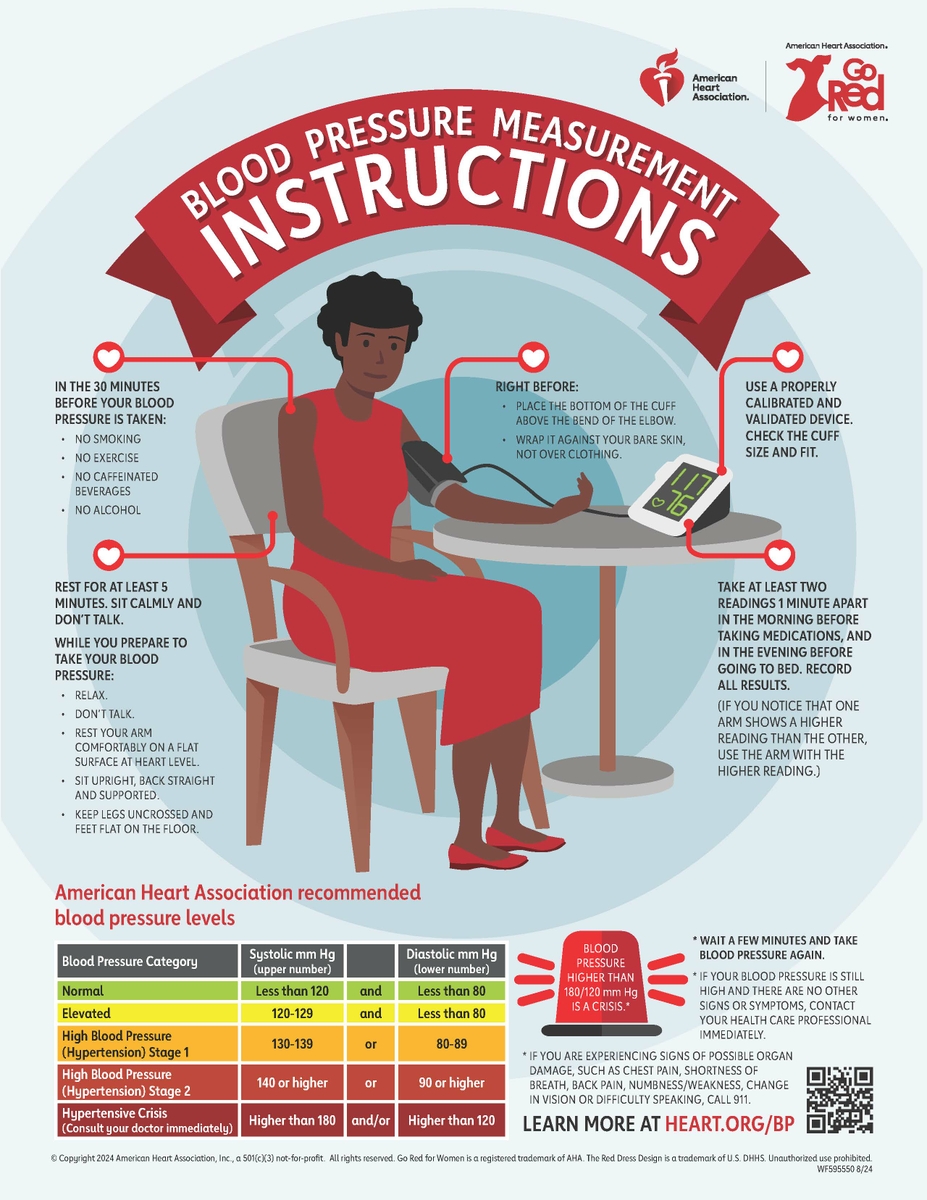
Current guidelines emphasize that blood pressure management remains a long-term commitment. Patients should continue to follow the advice of their healthcare providers regarding medication, diet, and exercise. For those looking to track their readings, the American Heart Association provides resources for accurate at-home monitoring to ensure that the data shared with physicians is both consistent and reliable. We invite our readers to share their experiences with cardiovascular health monitoring in the comments section below.
Worth a look