
Apple developers now have access to a suite of new software tools and frameworks following the recent announcements at WWDC26, held this June. The latest updates center on the integration of Apple Intelligence, providing developers with new ways to build intelligent, on-device experiences across the company’s platforms. According to official developer documentation, the updates include enhancements to Xcode and the introduction of new AI development frameworks designed to streamline the creation of next-generation applications.
For software engineers and app creators, the focus of this year’s conference is the expansion of on-device capabilities. By leveraging these new tools, developers can integrate sophisticated AI models directly into their apps, ensuring privacy and responsiveness. As of June 9, 2026, the updated SDKs and beta software are available for testing, allowing the developer community to begin experimenting with these technologies immediately. These resources, including sample code and updated documentation, are accessible through the official Apple Developer portal.
Expanding AI Capabilities in Application Development
The core of the recent developer update is the introduction of “agentic coding” within Xcode 26.3. This feature allows developers to utilize coding agents to automate the building and testing of projects, as well as to search through complex documentation more efficiently. By integrating these AI-driven agents, Apple aims to reduce the time spent on repetitive tasks, allowing developers to focus on higher-level design and functionality. This shift toward agent-assisted development is part of a broader push to make powerful AI tools a standard component of the Apple ecosystem.
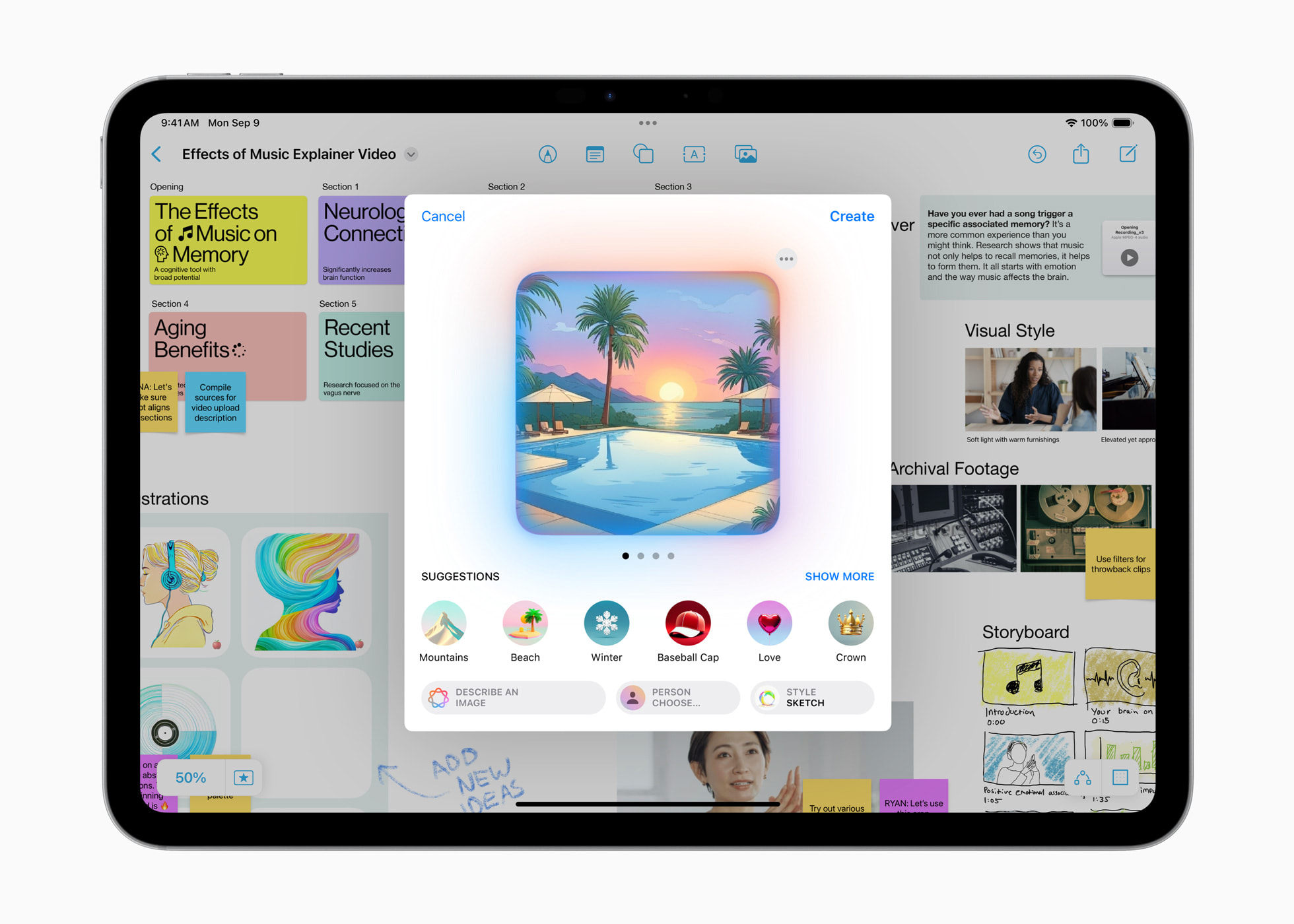
Beyond the coding environment itself, the new Core AI frameworks provide a structured path for developers to integrate on-device intelligence into their own software. According to the current session schedule, developers can access specific tutorials on how to implement these models, ensuring that applications remain fast and secure without relying on constant cloud connectivity. This approach aligns with the company’s focus on privacy, as processing tasks locally remains a priority for the latest software releases.
Refining Platform Design and Tooling
In addition to artificial intelligence, the latest updates include significant refinements to platform design and the overall development workflow. Updates to SwiftUI and AppKit/UIKit provide developers with more flexible tools for building user interfaces that remain consistent across iPhone, iPad, and Mac. The integration between these frameworks has been a recurring theme, with sessions dedicated to ensuring that code can be shared and adapted across different screen sizes and device types with minimal friction.
For those looking to streamline their delivery pipelines, Xcode Cloud has also received updates to improve automation and project management. These improvements are intended to help teams build and deliver apps more reliably. Developers can browse the full schedule of sessions and watch recorded content on the official Apple Developer website to catch up on these technical shifts. The community events scheduled throughout the week offer further opportunities for developers to engage with experts and ask questions about the new tools.
Next Steps for the Developer Community
The immediate next step for developers is to download the latest beta software to test how these new frameworks perform with existing projects. With the conference sessions now available on-demand, developers can prioritize the topics most relevant to their current work, such as the sessions on Core AI or the latest refinements in SwiftUI. As the software moves toward its public release later this year, the developer forums will continue to serve as a primary venue for technical support and troubleshooting.

The ongoing commitment to these updates reflects the company’s broader strategy to keep its platforms competitive for both consumer and enterprise applications. By providing these tools early, the company allows for a testing period that is critical for identifying potential issues before the final version of the software reaches the general public. Readers are encouraged to check the developer portal regularly for updates on documentation and to participate in the community forums to share insights as they explore these new capabilities.
Keep reading