WhatsApp to Consolidate AI Tools in Dedicated Tab, Signaling Broader Meta AI Integration
WhatsApp is preparing to significantly streamline its user experience by centralizing its artificial intelligence features within a dedicated tab, according to recent testing and reporting. The move, currently in beta for Android users, indicates Meta’s commitment to integrating AI more deeply into its widely used messaging platform. This development comes as tech companies worldwide race to incorporate generative AI into their core services, offering users enhanced functionality and new ways to interact with technology.
The planned interface change will modify the bottom navigation bar of the WhatsApp application, replacing the existing “Communities” shortcut with a new section exclusively for Meta AI-powered functions. This consolidation aims to provide users with a single, easily accessible hub for all AI-related tools, simplifying the process of utilizing these features. The shift was first detected in WhatsApp Android beta version 2.26.10.5, as reported by WABetaInfo, suggesting a deliberate effort by Meta to make its AI assistant a more prominent part of the WhatsApp experience.
A Centralized Hub for AI-Powered Features
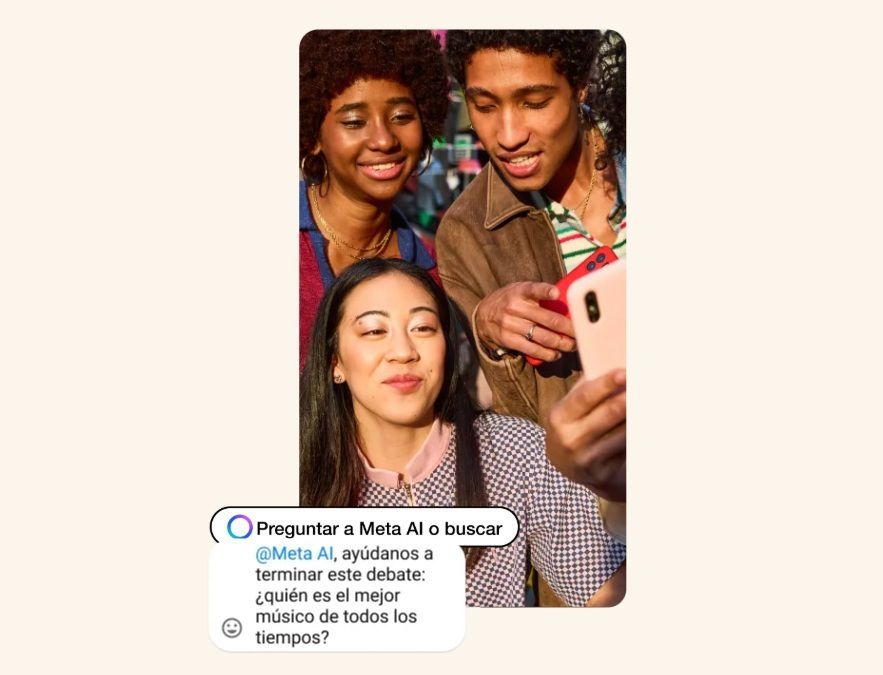
The new Meta AI tab will serve as a comprehensive center for a range of AI-driven tools. Users will be able to access features including the creation and animation of images using artificial intelligence, assistance with various tasks and information retrieval, conversational interactions with the AI assistant, and even voice calls powered by the AI system. The tab will also provide options for managing and configuring Meta AI settings, offering users greater control over their AI experience within the app. According to reports, this update will eliminate the current floating window used to initiate conversations with the AI assistant from the chats tab, moving that functionality entirely into the dedicated AI space.
Specifically, the AI tab will allow users to generate images and animations directly within WhatsApp, a feature that leverages the power of AI to create visual content on demand. Beyond creative applications, the assistant will also be capable of providing support for everyday tasks, answering informational queries, and engaging in natural language conversations. The inclusion of AI-powered voice calls represents a further step towards seamless integration of AI into communication, potentially offering features like real-time translation or automated call summaries. Meta AI in WhatsApp promises to enhance user productivity and creativity.
Meta’s Broader AI Strategy
This move is part of a larger strategic initiative by Meta to integrate generative artificial intelligence across its major digital platforms, including WhatsApp, Instagram, and Facebook. The company is actively working to position its Meta AI assistant as a key competitor in the rapidly evolving AI landscape, challenging established players like Google’s Gemini and OpenAI’s ChatGPT. By embedding AI directly within services used by billions of people globally, Meta aims to make AI technology more accessible and integrated into daily life.
The competition in the AI space is fierce, with companies vying to develop the most advanced and user-friendly AI assistants. Meta’s approach focuses on leveraging its existing user base and integrating AI features into platforms people already employ regularly. This strategy differs from some competitors who are primarily focused on standalone AI applications. Meta is also deploying AI technology to combat scams across its platforms, demonstrating a commitment to responsible AI development and user safety.
Security Considerations and Device Linking Warnings
Alongside the rollout of new AI features, WhatsApp is also enhancing its security measures to protect users from potential scams. The company is implementing a device linking warning system that alerts users when a connection request appears suspicious. This is particularly significant as scammers often attempt to trick users into linking their WhatsApp accounts to unauthorized devices, potentially gaining access to sensitive information. The warning system will analyze behavioral signals to identify potentially malicious linking requests, providing users with a chance to reconsider before granting access. This proactive approach to security underscores Meta’s commitment to safeguarding user data and privacy.
The device linking warning will alert users if a request originates from an unfamiliar source or if the linking process appears unusual. This feature is designed to prevent attackers from gaining control of WhatsApp accounts through social engineering tactics. According to Meta, in 2025, the company removed over 159 million scam ads globally, highlighting the ongoing battle against malicious actors.
Impact on WhatsApp Users and the Future of Messaging
The introduction of a dedicated Meta AI tab in WhatsApp has the potential to significantly alter how users interact with the messaging platform. By providing a centralized hub for AI-powered tools, WhatsApp aims to empower users with new capabilities and enhance their overall experience. The ability to generate images, receive assistance with tasks, and engage in conversational interactions with an AI assistant could transform WhatsApp from a simple messaging app into a versatile productivity and creativity tool.
This development also reflects a broader trend in the messaging industry, where AI is increasingly being integrated to enhance user experience and provide new functionalities. Other messaging platforms are also exploring ways to leverage AI, but WhatsApp’s move to create a dedicated AI tab demonstrates a particularly strong commitment to this technology. The success of this initiative will likely depend on the quality and usefulness of the AI-powered features, as well as the ability of Meta to address potential privacy and security concerns.
What to Expect Next
The Meta AI tab is currently being tested in the Android beta version of WhatsApp (2.26.10.5). A wider rollout to all users is expected in the coming weeks or months, pending the results of the beta testing phase. Users can expect further refinements and additions to the AI features as Meta continues to develop and improve its AI capabilities. The company is also likely to expand the integration of AI across its other platforms, including Instagram and Facebook, creating a more cohesive AI ecosystem.
Looking ahead, the integration of AI into messaging platforms is likely to become increasingly sophisticated. We can anticipate features such as personalized recommendations, automated message filtering, and even AI-powered chatbots that can handle customer service inquiries. The future of messaging is undoubtedly intertwined with the advancement of artificial intelligence, and WhatsApp’s latest move is a clear indication of this trend.
The next update regarding the rollout of the Meta AI tab is anticipated in late March 2026, following the completion of beta testing. We encourage readers to share their thoughts and experiences with the new features in the comments below.
Keep reading