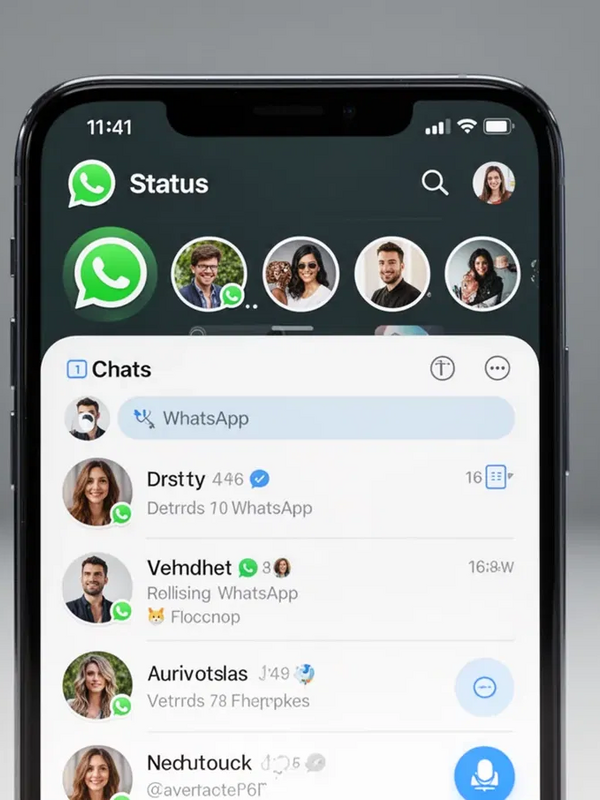
WhatsApp Redesigns Interface, Prioritizing Status Updates and Signaling a Shift Towards Advertising
WhatsApp is undergoing a significant redesign, integrating Status updates directly into the main chat list, a move widely interpreted as a strategic step to boost user engagement and pave the way for future advertising opportunities. The change, currently being tested with Android beta users, represents a departure from the app’s traditional structure and signals Meta’s ambition to transform WhatsApp into a more comprehensive social platform, mirroring the functionality of Instagram and Facebook. This evolution comes as Meta continues to seek new revenue streams within its messaging applications, and the prominent placement of Status updates is seen as a key component of that strategy.
The update places Status updates – ephemeral posts of photos, videos, and text that disappear after 24 hours – front and center within the app. Previously relegated to a separate “Updates” tab, these posts will now appear prominently at the top of the “Chats” screen, displayed as a row of profile pictures. This design change aims to increase visibility and encourage more frequent viewing of Status updates, effectively making them a more integral part of the WhatsApp experience. According to testing data, the new layout prioritizes contacts with whom users frequently communicate, further enhancing the personalized experience. This shift in design is not merely cosmetic; it’s a fundamental change in how users interact with the app, potentially increasing time spent within the platform.
From Messenger to Social Hub: A Strategic Evolution
The move to integrate Status updates more seamlessly into the main chat interface reflects a broader industry trend of app consolidation. Developers are increasingly merging features to create more dynamic and engaging user experiences, aiming to keep users within their ecosystems for longer periods. By removing the extra step required to view Status updates – previously requiring a dedicated tap on a separate tab or a colored ring around a profile picture – WhatsApp is making content consumption more passive and intuitive. This simplification is a classic method for boosting feature usage, as it integrates the function seamlessly into the primary user workflow.
This redesign isn’t happening in a vacuum. Meta, WhatsApp’s parent company, has been actively exploring monetization strategies for its messaging platforms. The company officially announced the introduction of advertising in WhatsApp Status on June 16, 2025, according to reports from WhatsApp Business. The Status section has long been considered the most likely location for advertising, following the successful implementation of ads within Instagram and Facebook Stories. By increasing the visibility and engagement with Status updates, Meta is laying the groundwork for a future where advertisements can be seamlessly integrated between user-generated content.
The Monetization Potential of WhatsApp Status
Analysts believe that the redesign is a strategic move to unlock WhatsApp’s advertising potential. The Status feature boasts a substantial reach, with over 500 million users engaging with it daily, as reported by Lime Technologies. This massive audience presents a significant opportunity for businesses to reach potential customers. Advertisements within Status updates will appear as sponsored posts interspersed among updates from friends and family, clearly marked as “sponsored” to maintain transparency. This approach aims to deliver advertising in a less intrusive manner, leveraging the familiar format of Stories found on other social media platforms.
The integration of Status updates into the main chat list also aligns with Meta’s broader strategy of creating a more interconnected social network. WhatsApp is evolving from a simple messaging app into a platform that combines private communication with public content sharing. This hybrid model allows users to seamlessly transition between personal conversations and broader social interactions, increasing overall engagement and potentially driving revenue through advertising. The traditional “Updates” tab remains in place for now, but the new design clearly signals a shift towards prioritizing content consumption alongside direct messaging.
Testing and Future Outlook
As of late February 2026, the redesigned interface is only available to a limited group of Android beta testers. The timeline for a wider rollout to iOS users and the general public remains uncertain. Meta has indicated that the final design may be subject to change based on feedback received during the testing phase. Yet, the experiment provides a clear indication of WhatsApp’s future direction. The company is signaling that content consumption is becoming as central to its strategy as private chats, and users can expect to spot increasing emphasis on features that promote interaction with various types of content.
The move to prioritize Status updates is a significant signal: WhatsApp intends to become a more comprehensive and engaging social network. This transformation is likely to involve further integration of features and a continued focus on enhancing the user experience. While the exact timing and scope of these changes remain to be seen, the current redesign represents a pivotal moment in WhatsApp’s evolution, potentially reshaping how millions of people connect and share information.
The integration of Status updates into the main chat list also raises questions about user privacy. While WhatsApp maintains that personal conversations, calls, and Status messages remain protected with end-to-end encryption, the increased emphasis on content sharing could lead to greater data collection and targeted advertising. Users concerned about privacy may want to explore alternative messaging apps that prioritize data security and anonymity.
The future of WhatsApp appears to be one of increasing integration and monetization. As the platform continues to evolve, it will be crucial for Meta to balance the needs of its users with its business objectives. The success of this transformation will depend on its ability to deliver a compelling and engaging experience that respects user privacy and fosters meaningful connections.
The next step in this evolution will be closely watched as WhatsApp continues to gather feedback from beta testers and refine its design. The company has not yet announced a specific date for the public release of the updated interface, but it is expected to occur in the coming months. Users can stay informed about the latest developments by following WhatsApp’s official blog and social media channels.
What are your thoughts on the new WhatsApp design? Share your opinions and experiences in the comments below. And don’t forget to share this article with your friends and colleagues!