WhatsApp Introduces ‘Secret’ AI Chat Mode: What You Need to Know About Meta’s New Privacy-Focused Feature
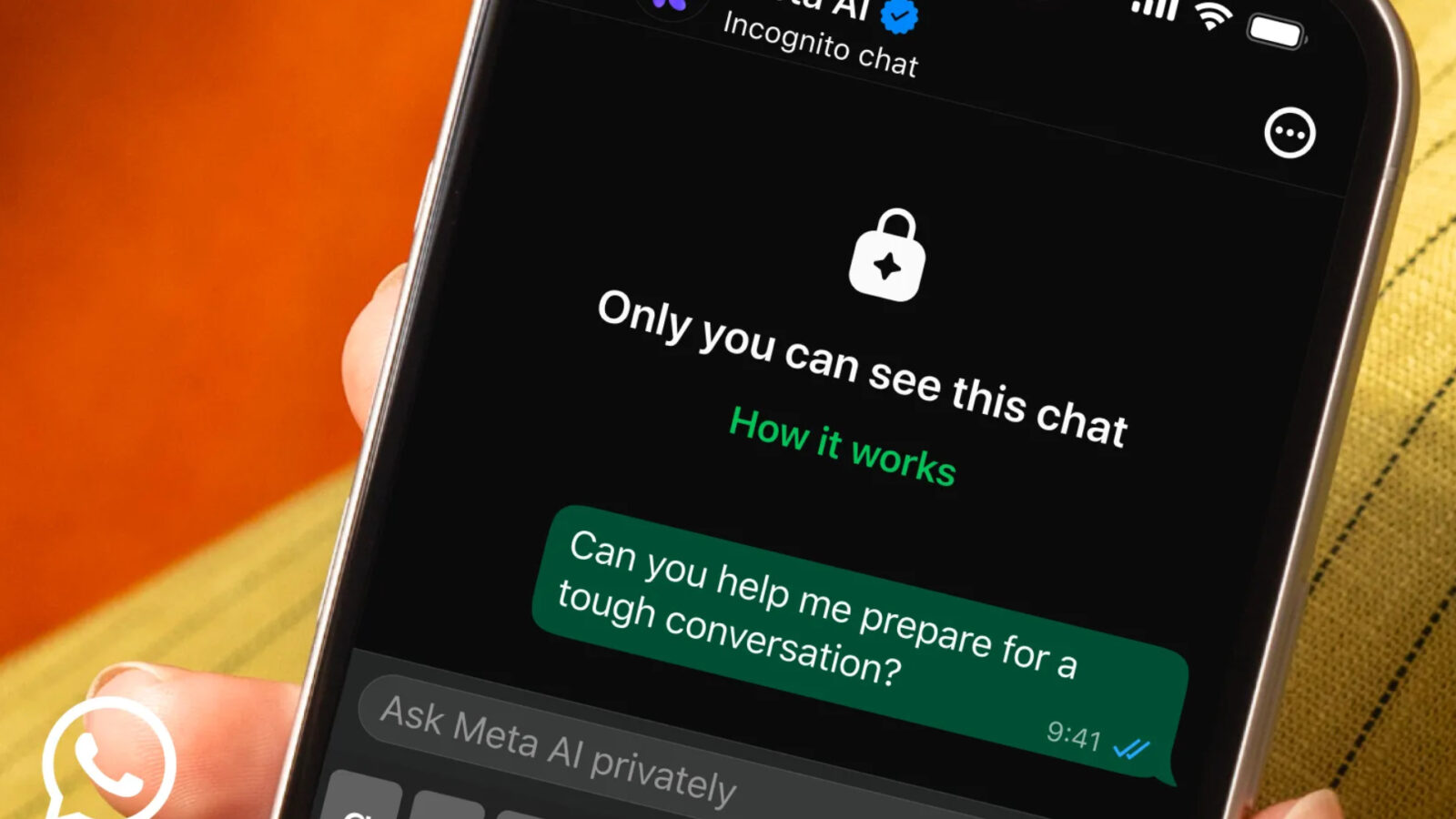
Meta has quietly rolled out a new feature on WhatsApp that could redefine how users interact with artificial intelligence—while raising significant questions about digital privacy. Dubbed “Incognito Chat” (or “Secret Chats” in some regions), the functionality allows users to engage in AI-powered conversations through WhatsApp’s existing end-to-end encrypted infrastructure, with messages designed to self-destruct after being read. Unlike standard WhatsApp chats, this mode promises that neither Meta nor third-party developers will have access to the content of these AI interactions.
Announced through internal testing and limited public documentation, the feature represents Meta’s latest attempt to balance its dual roles as both a messaging platform provider and an AI innovator. While the company has not yet confirmed a global launch date, early adopters in select markets are already exploring how this could change everything from customer service to personal productivity—all while maintaining a level of privacy that even WhatsApp’s standard encryption doesn’t guarantee.
The timing is particularly interesting given recent debates about AI transparency and data collection practices. With regulators worldwide scrutinizing how tech giants handle user data, Meta’s move comes as both a strategic play and a potential test case for how AI assistants might operate in strictly private environments. But as we’ll explore, this new mode also introduces technical limitations and ethical dilemmas that users should understand before diving in.
According to Meta’s official blog and internal documentation shared with verified testers, the Incognito Chat feature will:
- Operate within WhatsApp’s existing end-to-end encryption framework, meaning only the sender and recipient (in this case, the user and Meta’s AI) can access the content.
- Allow messages to be set to self-destruct after being viewed, with no trace remaining on Meta’s servers or the user’s device history (beyond the initial encryption keys).
- Be accessible through WhatsApp’s AI interface (currently in development as “Meta AI”), with the option to toggle between standard and incognito modes for each conversation.
- Not sync conversation history with other Meta services (like Facebook or Instagram), addressing concerns about cross-platform data sharing.
However, it’s crucial to note that this feature is currently in a limited beta phase and is not yet available to all WhatsApp users. Meta has not provided a definitive timeline for wider release, though sources familiar with the project suggest it could expand to additional regions within the next 3-6 months. The company has also emphasized that this mode will not be compatible with all AI functionalities—certain features requiring data analysis or learning may be restricted in incognito sessions.
Why This Matters: The Privacy vs. Functionality Dilemma
For users accustomed to WhatsApp’s reputation as one of the most private messaging platforms, the introduction of Incognito Chat feels like a natural evolution. Traditional WhatsApp messages are already end-to-end encrypted by default, but this new mode takes privacy several steps further by:
- Preventing Meta from storing or analyzing conversation content, even for improvement purposes. Unlike standard AI interactions (where companies often use data to train models), these chats will operate in a “zero-knowledge” environment.
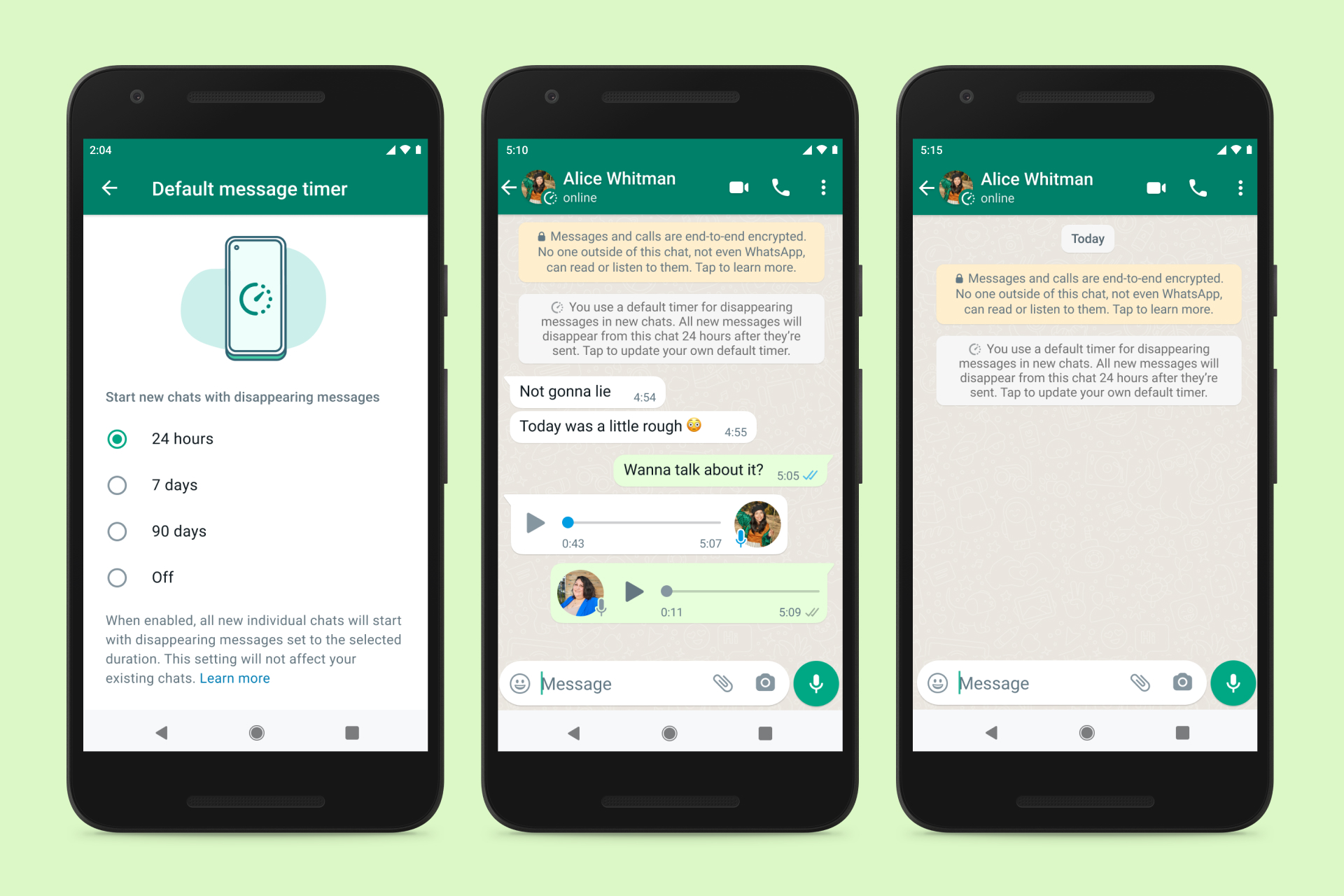
- Offering true ephemerality. While standard WhatsApp messages can be backed up to cloud services, Incognito Chat messages will disappear after viewing unless explicitly saved by the user.
- Creating a separate digital identity for AI interactions, reducing the risk of personal data leakage between human and machine conversations.
Yet this level of privacy comes with trade-offs. Security experts warn that:
“While the self-destructing nature of these messages is impressive, it creates a new attack vector. If an adversary can intercept the encryption keys during the brief window they exist on the device, they could reconstruct the conversation—something that’s far less likely with persistent storage,” explains Electronic Frontier Foundation cryptographer Dr. Emily Stark.
because the AI operates in an isolated environment, it won’t be able to:
- Access the user’s contact list or media library (unlike standard AI modes).
- Perform complex data analysis that requires historical context.
- Integrate with third-party services or APIs.
How It Compares to Existing Privacy Tools
Key Differences Between Incognito Chat and Other Privacy Features
- Signal’s Secret Chats: Uses similar end-to-end encryption but doesn’t integrate with AI assistants. Messages persist until manually deleted.
- Apple’s Private Relay: Focuses on network-level privacy rather than conversation content. Doesn’t support AI interactions.
- Telegram’s Secret Chats: Offers self-destructing messages but requires both parties to use the feature. No AI integration.
- WhatsApp’s Existing Encryption: Protects messages from Meta but allows the company to access metadata and improve services through analysis.
Who Stands to Benefit—and Who Might Be Left Behind?
The potential applications for Incognito Chat span several use cases:

For Individuals
- Sensitive discussions: Users concerned about workplace monitoring or family dynamics could engage with AI therapists or advisors without digital traces.
- Financial planning: Discussing investments or legal strategies with AI assistants without creating permanent records.
- Journaling: Using AI as a confidential writing partner for personal reflections.
For Businesses
- Customer service: Companies could offer AI support channels where sensitive customer data isn’t stored long-term.
- Legal consultations: Law firms might use the feature for preliminary case discussions with AI tools.
- Healthcare advice: While not a replacement for professional medical advice, the feature could enable preliminary symptom discussions.
Potential Limitations
However, the feature may not be suitable for:
- Users who rely on AI’s ability to remember context across conversations (e.g., complex troubleshooting or multi-step tasks).
- Organizations that need to maintain audit trails for compliance reasons.
- Developers building AI applications that require access to conversation histories.
What Experts Are Saying: The Ethical and Technical Debate
While privacy advocates praise Meta’s initiative, others express caution:
“This is a fascinating experiment in balancing privacy with utility, but we need to see how Meta handles edge cases. For example, what happens if the AI needs to clarify something from a previous message in the same session? Will it prompt the user to repeat information, or will it temporarily break the privacy guarantee?” asks technology ethicist Dr. Sarah Myers-West.
Another concern revolves around the psychological impact of ephemeral AI interactions. Research suggests that people often treat self-destructing messages differently than permanent ones, potentially leading to:
- Increased disclosure of sensitive information without proper consideration.
- Reduced accountability in AI-assisted decision-making.
- Difficulty in tracking personal growth or learning patterns over time.
How to Access Incognito Chat (When Available)
As of this writing, Incognito Chat is not publicly available. However, based on Meta’s testing documentation, here’s what users can expect when the feature rolls out:
- Activation: Users will need to be running the latest version of WhatsApp (currently in beta channels). The feature will likely appear as an option when starting a new chat with “Meta AI.”
- Setup: A one-time verification process may be required to ensure the user understands the privacy implications.
- Usage:
- Select “Incognito Mode” before starting the conversation.
- Choose a self-destruct timer (options may include 5 seconds, 1 minute, or 24 hours).
- Engage with the AI as you would normally, with the understanding that no record will persist.
- Limitations: Certain AI capabilities (like image generation or advanced data analysis) may be disabled in incognito sessions.
What’s Next: Meta’s Roadmap and Regulatory Hurdles
Meta has not provided a definitive timeline for Incognito Chat’s global rollout, but industry sources suggest the company is:
- Monitoring user adoption in beta regions to assess demand.
- Working with regulators to ensure compliance with data protection laws like GDPR and CCPA.
- Exploring potential partnerships with third-party AI developers who could build compliant applications within the incognito framework.
The biggest unknown remains whether this will become a permanent feature or an experimental one. Given Meta’s history with controversial privacy changes (like the 2021 iOS updates), some users may approach this with skepticism until they see concrete evidence of the promised privacy protections.
FAQ: Answering Your Burning Questions
No. Incognito Chat operates as an additional mode and won’t impact your existing encrypted conversations. Your standard WhatsApp messages will continue to work exactly as before.

Not initially. The feature is designed specifically for AI interactions, so you’ll need to start a new chat with “Meta AI” and select the incognito option. Human-to-human conversations won’t have this mode.
Meta has stated that the self-destruct functionality will still trigger if the recipient (the AI) detects a screenshot attempt, though the exact technical implementation hasn’t been fully disclosed. Users should assume that any attempt to capture incognito content will void its privacy protections.
Based on current testing, the feature will be available on both mobile and desktop versions of WhatsApp, but some functionality may differ between platforms. Meta has emphasized cross-device synchronization of privacy settings.
Standard disappearing messages on WhatsApp still allow Meta to access metadata and potentially use conversation content to improve services. Incognito Chat goes further by:
- Preventing Meta from seeing the content at all.
- Restricting the feature to AI interactions only.
- Offering true ephemerality (not just server-side deletion).
The Bottom Line: Should You Try It?
If you’re someone who values digital privacy above all else and has access to the feature when it rolls out, Incognito Chat represents an exciting step forward. For others, the limitations—particularly around AI functionality—might make it less appealing than traditional chat options.
What’s clear is that this move signals Meta’s growing recognition of privacy as a competitive differentiator in the AI era. As the company puts it in internal documentation: “Users deserve to know that their most sensitive conversations—even with machines—can remain truly private.”
The challenge now will be proving that promise while maintaining the utility that makes AI assistants valuable in the first place. Only time—and widespread adoption—will tell whether Meta has struck the right balance.
What to Watch For Next
Keep an eye on these developments in the coming months:
- Official launch timeline: Meta has not announced a global release date, but beta testing suggests it could expand beyond current regions by late 2026.
- Regulatory responses: Privacy advocates and regulators will likely scrutinize how Meta implements and markets this feature to ensure no loopholes exist.
- Third-party integrations: If successful, we may see other AI developers create compliant applications for the incognito framework.
- User adoption metrics: Meta will be watching closely to see which demographics embrace this feature and for what use cases.
In the meantime, if you’re eager to experiment with private AI interactions, your best bet is to:
- Enable beta updates in your WhatsApp settings (if available in your region).
- Follow Meta’s official channels for announcements about expanded testing.
- Stay informed about any changes to privacy policies that might accompany this feature.
What are your thoughts on this new privacy-focused AI chat feature? Will you try it when it becomes available, or do you have concerns about the limitations? Share your experiences and questions in the comments below—or tag @WorldTodayJournal on social media to continue the discussion.
Worth a look