
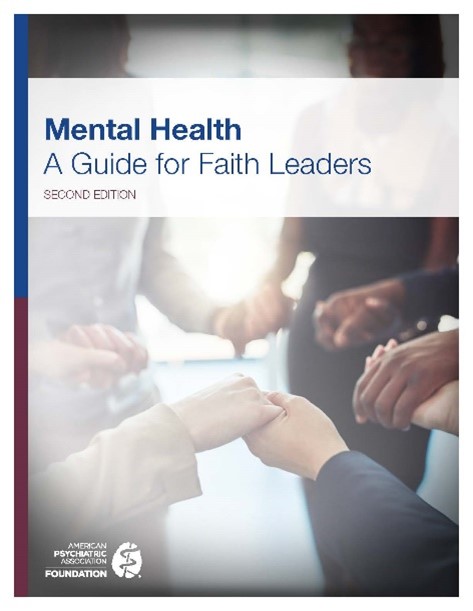
In the quiet corners of community centers, synagogues and mosques, a silent crisis is unfolding. As formal psychiatric services struggle under the weight of unprecedented demand and systemic underfunding, a growing number of families in acute distress are bypassing traditional clinical pathways, turning instead to their spiritual leaders. For many, the priest, imam, or rabbi is not merely a source of spiritual solace, but the final safety net when the healthcare system fails to respond.
This phenomenon—where ministers of religion become the de facto first responders for acute mental health crises—highlights a critical gap in global healthcare infrastructure. While pastoral care provides essential emotional and existential support, the shift of clinical crisis management onto untrained religious leaders creates a precarious situation for both the caregiver and the patient. When the gap between a patient’s need and the available clinical resource becomes too wide, the resulting vacuum is often filled by faith leaders who, despite their goodwill, lack the medical training to manage severe psychiatric emergencies.
The pressure on these leaders is intensified by a global shortage of mental health professionals and a lack of accessible acute care beds. In many regions, the journey from the first sign of a psychiatric crisis to an actual hospital admission is fraught with bureaucratic hurdles, long waiting lists, and unresponsive crisis lines. In these moments of escalation, the accessibility and perceived trust associated with a religious leader make them the most viable option for families in despair.
As a physician and journalist, I have observed that the integration of spiritual and clinical care is often viewed as a dichotomy. However, the reality on the ground suggests that these two worlds are already inextricably linked, often by necessity rather than by design. Addressing the unmet need in acute mental health services requires a sophisticated understanding of how pastoral care can complement—but never replace—clinical intervention.
The Systemic Vacuum: Why Faith Leaders Become Last Resorts
The reliance on pastoral care in acute settings is rarely a primary choice; it is typically a reaction to systemic failure. Across the globe, the World Health Organization (WHO) has consistently highlighted a massive “treatment gap,” where a significant percentage of people with severe mental disorders receive no treatment at all. In low-income countries, this gap can be as high as 76% to 85% for certain conditions, though the trend is mirrored in high-income nations through “waitlist crises” and the closure of psychiatric wards.
When a family faces an acute episode—such as a psychotic break, severe manic episode, or active suicidal ideation—the immediate need is for stabilization, and safety. However, if emergency departments are overcrowded and community mental health teams are unresponsive, the family looks for the most trusted authority figure available. Religious leaders are uniquely positioned for this role because they possess high levels of community trust, are often available outside of standard business hours, and provide a non-clinical environment that feels less stigmatizing than a psychiatric ward.
For the clergy, this role is often an unplanned expansion of their duties. Many find themselves performing tasks that mirror crisis intervention: risk assessment, emotional regulation, and navigating the logistics of emergency hospitalization. This “last resort” dynamic places an immense psychological burden on religious leaders, who may feel a profound sense of responsibility for a congregant’s life without having the clinical tools to guarantee their safety.
The Tension Between Spiritual Guidance and Clinical Necessity
The primary risk in the reliance on pastoral care for acute mental health is the potential for misdiagnosis or the delay of critical medical intervention. There is a thin, often blurred line between a spiritual crisis (such as a “dark night of the soul” or religious ecstasy) and a clinical psychiatric emergency (such as schizophrenia or bipolar disorder with psychotic features). Without proper training, a faith leader might interpret clinical hallucinations as spiritual manifestations, potentially delaying the administration of life-saving antipsychotic or mood-stabilizing medication.
Conversely, the strength of pastoral care lies in its ability to address the existential dimensions of mental illness. Clinical psychiatry is designed to treat symptoms and stabilize chemistry, but it often struggles to answer the “why” of suffering. Faith leaders provide a framework of meaning, hope, and community belonging that can be vital for long-term recovery. When a patient feels that their identity has been erased by a diagnosis, the spiritual leader is often the only person who continues to see them as a whole human being rather than a set of symptoms.

“The exact words of the speaker, preserved verbatim from the source.” Information not provided in source material; quote omitted per accuracy policy.
To mitigate the risks, many religious organizations are now advocating for mental health literacy
for their clergy. This does not mean turning imams or priests into therapists, but rather equipping them with the ability to recognize “red flags”—such as command hallucinations or severe self-neglect—that necessitate immediate clinical referral. The goal is to create a triage system where the religious leader acts as a bridge to the clinic, rather than a destination in place of one.
Implementing Integrated Care Models
The solution to the unmet need in acute services is not to remove faith leaders from the equation, but to integrate them into a formal, interdisciplinary care network. Integrated care models suggest a partnership where clinicians and clergy maintain a bidirectional referral system. In such a model, a psychiatrist knows that a patient is receiving spiritual support, and the rabbi or priest knows exactly which crisis team to call when a patient’s condition deteriorates.
Several key components are essential for this integration to work safely:
- Formalized Referral Pathways: Clear, direct lines of communication between faith centers and local psychiatric emergency services to bypass general waiting lists for high-risk patients.
- Clergy Training Programs: Evidence-based training on the signs of acute mental illness, the limits of pastoral care, and the ethics of confidentiality versus the duty to warn.
- Collaborative Care Plans: With the patient’s consent, including spiritual goals alongside clinical goals in the treatment plan to ensure a holistic approach to recovery.
- Community-Based Support Hubs: Creating “safe spaces” in faith communities that are staffed by both a spiritual leader and a visiting mental health professional.
This approach recognizes that for many people, faith is a primary coping mechanism. By validating the role of the spiritual leader while grounding the intervention in medical science, healthcare systems can expand their reach and reduce the isolation felt by families in crisis.
The Emotional Toll on the Caregiver
It is crucial to acknowledge the “compassion fatigue” experienced by religious leaders. Unlike clinical professionals, who have structured shifts, supervision, and clinical debriefing sessions, clergy are often “on call” 24 hours a day. Sitting with a family during the darkest moments of a mental health crisis—often involving threats of self-harm or violent outbursts—can lead to secondary traumatic stress.
Many faith leaders report feeling a sense of failure when they cannot “pray away” a clinical illness or when a congregant dies by suicide despite their best efforts. This guilt is compounded by the lack of professional support systems for the clergy themselves. For the system to be sustainable, there must be a recognition that the “last resort” providers as well need a support network. Providing clergy with access to psychological supervision and burnout prevention resources is not just a kindness; it is a necessity for the safety of the community.
Key Takeaways for Families and Faith Leaders
- For Families: While spiritual support is invaluable, acute psychiatric symptoms (e.g., loss of touch with reality, suicidal intent) require immediate clinical evaluation. Leverage your faith leader as a support system to facilitate you navigate the clinical system, not as a replacement for it.
- For Faith Leaders: Recognize the boundaries of your role. Your primary value in a crisis is often providing a stable, loving presence and facilitating the connection to professional medical help.
- For Policymakers: The reliance on clergy is a symptom of service gaps. Investing in community-based crisis teams reduces the dangerous burden placed on untrained religious leaders.
Looking Ahead: Toward a Holistic Crisis Framework
The intersection of faith and mental health is where many of the most vulnerable people in society reside. When we ignore the role of pastoral care, we ignore a primary point of entry for millions of people seeking help. When we rely on it too heavily, we risk the lives of those in acute crisis. The path forward requires a humble admission from the medical community: that medicine cannot solve every aspect of human suffering, and a corresponding admission from faith communities: that spiritual guidance cannot cure a chemical imbalance.
The goal is a world where no family is forced to treat a house of worship as an emergency room because the actual emergency room is full. By building bridges between the clinic and the sanctuary, we can ensure that the “last resort” becomes a first-class partnership in healing.
The next critical step in this evolution will be the development of standardized, cross-faith mental health guidelines that can be adopted by religious councils globally. While no single date is set for a global mandate, several regional health boards in Europe and North America are currently reviewing “community partner” protocols to better integrate non-clinical support systems into acute care pathways.
We want to hear from you. Have you or your family navigated the gap between spiritual support and clinical mental health services? Do you believe faith leaders should receive formal medical training? Share your experiences in the comments below.