
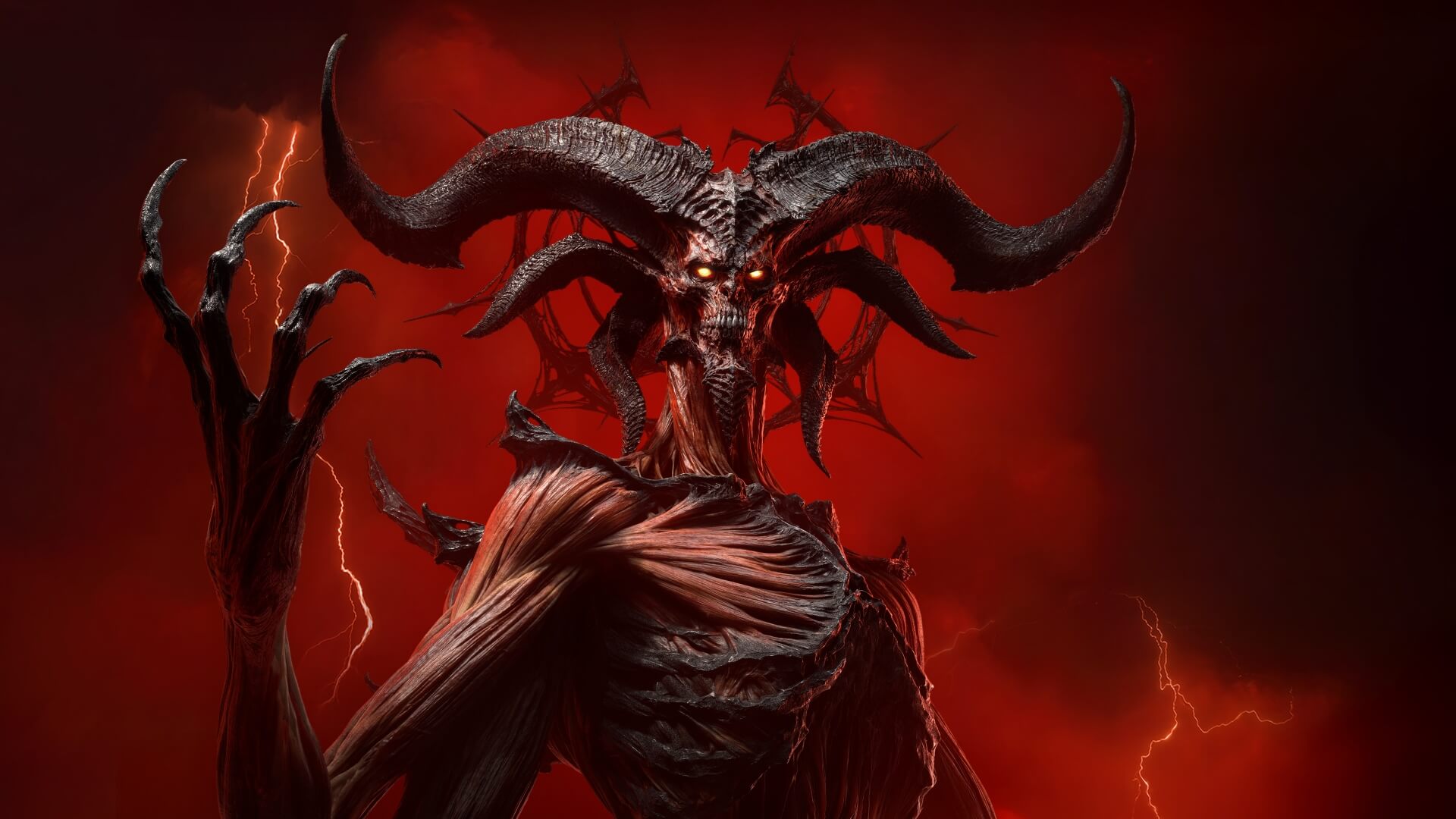
When Blizzard Entertainment first teased the expansion for its flagship action-RPG, the community expected a refinement of the core loop. With the release of Diablo IV Vessel of Hatred, the studio has delivered more than just a content patch; it has fundamentally shifted the game’s mechanical identity. For players who found the base game’s grind repetitive, this expansion introduces a breath of fresh air through a new playable class and a dense, atmospheric region that challenges the player’s mastery of combat.
The expansion centers on the pursuit of Mephisto, the Lord of Hatred, leading players into the jungles of Nahantu. As a technology journalist with a background in software engineering, I discover the technical implementation of the new Spiritborn class particularly impressive. It isn’t merely a reskin of existing archetypes but a complex addition to the game’s combat engine that utilizes a unique “Spirit” resource and guardian-based skill trees, adding a layer of tactical depth that was previously missing from the title.
Priced at 39.99 USD, the expansion provides a significant amount of value, though its true worth lies in how it addresses the end-game stagnation that plagued earlier seasons. From the introduction of the Mercenary system to the revamped questing structure, Blizzard has attempted to move away from the “kill-and-loot” monotony toward a more curated, narrative-driven experience.
The Spiritborn: A Masterclass in ARPG Design
The standout addition to the Diablo IV Vessel of Hatred review experience is undoubtedly the Spiritborn. This class blends agility with elemental power, allowing players to channel the strengths of different jungle guardians—the Jaguar, Gorilla, Eagle, and Centipede. The synergy between these guardians creates a high skill ceiling, rewarding players who can effectively rotate their abilities to maintain crowd control and burst damage.
From a technical perspective, the animations for the Spiritborn are fluid, integrating seamlessly with the game’s existing physics engine. The class introduces a more vertical and kinetic experience to combat, contrasting with the slower, more deliberate pace of the Barbarian or the stationary casting of the Sorcerer. This shift in gameplay tempo makes the exploration of the new region feel more dynamic and less like a slog through linear corridors.
Exploring Nahantu: Atmosphere and Architecture
The expansion takes players to Nahantu, a jungle region that serves as a stark contrast to the gothic, gray landscapes of Sanctuary. The environment design is dense, utilizing a rich palette of greens and deep shadows that enhance the feeling of claustrophobia and danger. The level design incorporates more verticality and hidden secrets than the base game, encouraging a more exploratory approach to questing.
The narrative focus on Mephisto provides a tighter, more focused plot than the sprawling campaign of the original game. The writing leans heavily into the psychological aspects of hatred and manipulation, mirroring the thematic weight of the earlier Diablo titles. While the story is compelling, the real draw remains the environmental storytelling embedded within the ruins of the jungle, which provide a deeper understanding of the world’s lore without relying solely on dialogue logs.
The Mercenary System and End-Game Evolution
One of the most discussed features of the expansion is the introduction of Mercenaries. Unlike the passive followers of previous games, these companions are fully customizable allies who provide active combat support and utility. This system adds a strategic layer to character builds, as players must now consider how their Mercenary’s abilities complement their own skill set.
Blizzard officially released the expansion on October 8, 2024, and the subsequent updates have focused on refining the end-game loop. The expansion introduces new questlines and challenges that move beyond the repetitive nature of the Helltides, offering more varied objectives and higher-stakes encounters. The integration of these systems suggests a long-term commitment to evolving the game’s architecture rather than simply adding more loot tiers.
Key Takeaways for Players
- The Spiritborn Class: Offers a high-mobility, high-complexity playstyle that revitalizes combat.
- Nahantu Region: A visually stunning and densely packed environment that improves upon the base game’s level design.
- Mercenary System: Adds significant tactical depth to party composition and character builds.
- Narrative Focus: A more concentrated story centered on Mephisto that rewards lore enthusiasts.
- Value Proposition: At 39.99 USD, the expansion provides substantial new content and mechanical overhauls.
Technical Performance and Accessibility
On the technical side, the expansion is well-optimized. Frame rates remain stable even during high-density combat encounters involving multiple Spiritborn abilities and Mercenary summons. The loading times are negligible on current-gen hardware, and the cross-platform integration continues to be a benchmark for the industry, allowing seamless transitions between PC, Xbox, and PlayStation.
Accessibility options have also seen improvements. The inclusion of more granular control over visual cues and audio alerts makes the game more approachable for players with different needs. As a developer, I appreciate the attention to detail in the UI/UX refinements, which reduce the cognitive load when managing complex inventory and skill trees during high-intensity gameplay.
Frequently Asked Questions
| Question | Answer |
|---|---|
| What is the new class? | The Spiritborn, a jungle-based warrior utilizing guardian spirits. |
| Where does the story seize place? | The jungle region of Nahantu. |
| How much does it cost? | The expansion is priced at 39.99 USD. |
| When was it released? | October 8, 2024. |
| Do I need the base game? | Yes, Vessel of Hatred is an expansion and requires the original Diablo IV. |
Final Verdict: A Necessary Evolution
Diablo IV Vessel of Hatred is more than a simple addition of maps and monsters. This proves a corrective measure that addresses the core complaints of the community. By introducing the Spiritborn and the Mercenary system, Blizzard has successfully injected new life into the combat loop, making the act of slaying demons feel fresh again.
While the game still struggles with some of the inherent repetitions of the ARPG genre, the expansion provides the tools and variety needed to sustain long-term interest. For those who have stepped away from Sanctuary, this is the perfect entry point to return. For those who have been grinding since launch, it is the reward for their persistence.
The next major milestone for the title will be the upcoming seasonal rotation and the subsequent balance patches aimed at tuning the Spiritborn’s power levels. Players should keep an eye on the official Blizzard forums for the next set of tuning notes and seasonal rewards.
Do you think the Spiritborn is the strongest class in the game, or do the original five still hold the crown? Share your builds and thoughts in the comments below.