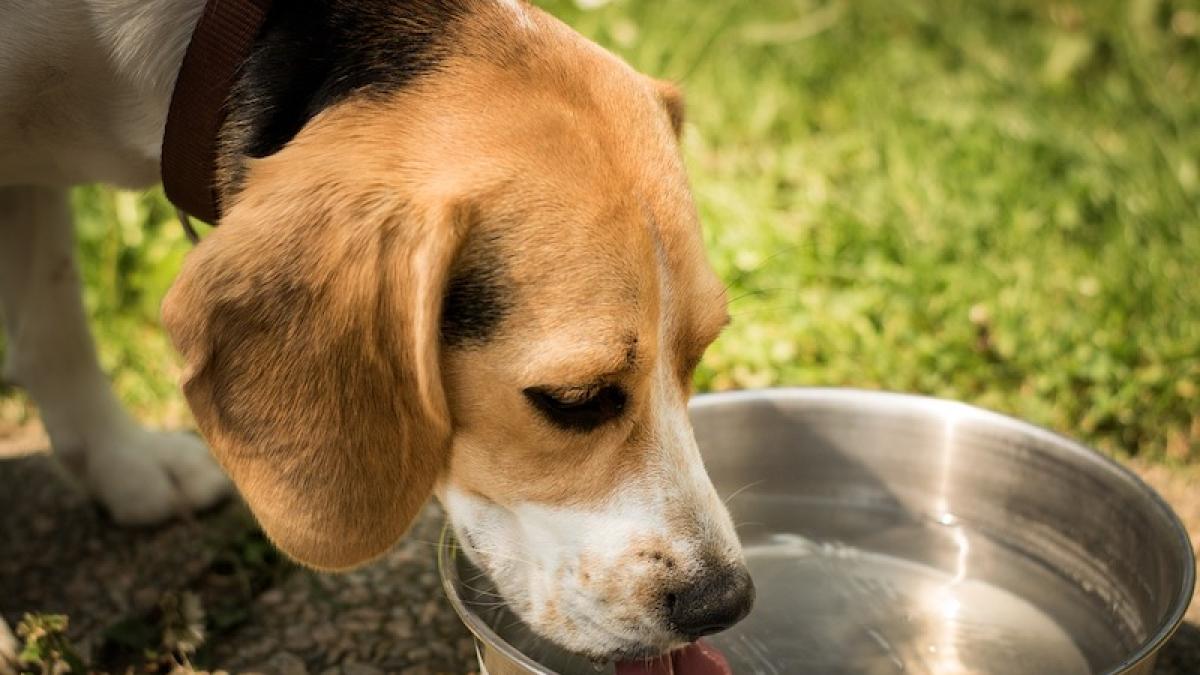
As summer temperatures climb across the globe, pet owners are increasingly seeking reliable ways to keep their animal companions safe from heat-related risks. While humans can sweat and seek shade with relative ease, many pets—especially dogs, cats, and small mammals—have limited physiological mechanisms to regulate body temperature, making them vulnerable to heatstroke, dehydration, and burned paw pads. Understanding these dangers and taking proactive steps is essential for responsible pet care during warmer months.
The risks are not merely discomfort; prolonged exposure to high temperatures can lead to life-threatening conditions in animals. According to the American Veterinary Medical Association (AVMA), heatstroke in pets can occur when their body temperature exceeds 104°F (40°C), potentially causing organ failure within minutes. Brachycephalic breeds like bulldogs and pugs, elderly animals, overweight pets, and those with thick coats are at heightened risk. Recognizing early signs—such as excessive panting, drooling, lethargy, or vomiting—can build the difference between a quick recovery and a veterinary emergency.
To help pet owners navigate summer safely, here are seven evidence-based recommendations for protecting companion animals from heat, grounded in veterinary science and animal welfare guidelines.
1. Never Leave Pets in Parked Vehicles
One of the most preventable causes of heat-related illness in pets is being left unattended in a parked car, even for short periods. On a 75°F (24°C) day, temperatures inside a vehicle can rise to 100°F (38°C) in just 10 minutes and reach 120°F (49°C) within half an hour, according to studies by the American Veterinary Medical Association. Cracking windows provides minimal relief, as airflow is insufficient to counteract radiant heat buildup.
Instead of risking your pet’s safety, plan errands around pet-friendly locations or leave animals at home in a cool, shaded environment. Many states and municipalities have enacted “hot car” laws that allow good Samaritans to rescue animals from vehicles under distress, underscoring the legal and ethical gravity of this issue. If you notice a pet in a hot car, contact local animal control or law enforcement immediately.
2. Provide Constant Access to Fresh Water and Shade
Hydration is critical for thermoregulation in animals. Pets should always have access to clean, cool water, especially when outdoors. Place multiple water bowls around the home and yard, and consider adding ice cubes to keep water temperature low. For dogs on walks, carry a portable water dispenser and offer frequent breaks.
Shade is equally vital. Ensure pets have access to shaded areas throughout the day, as sun exposure shifts with the sun’s movement. Natural shade from trees is ideal, but tarps, umbrellas, or insulated dog houses can provide effective alternatives. Avoid plastic or metal dog houses, which can trap heat like an oven. The ASPCA recommends checking surface temperatures before allowing pets to lie down—asphalt, concrete, and sand can exceed 145°F (63°C) in direct sun, posing a burn risk to paw pads.
3. Adjust Exercise Routines to Cooler Times of Day
Physical activity increases metabolic heat production, making exercise during peak heat hours dangerous for pets. Veterinarians recommend walking dogs early in the morning or late in the evening when temperatures are lower. Avoid vigorous play or running during midday heat, especially for breeds prone to respiratory issues.
Monitor your pet’s behavior closely during outdoor time. If they slow down, seek shade, or show signs of distress, conclude the activity immediately. For cats who proceed outdoors, limit their time outside during heatwaves and ensure they have cool indoor retreats. Indoor enrichment—such as puzzle feeders or interactive toys—can help maintain mental stimulation without physical exertion in the heat.
4. Employ Cooling Aids Wisely
Several products are designed to help pets stay cool, including cooling mats, vests, and bandanas that use phase-change materials or evaporative cooling. When used correctly, these can be effective tools, particularly for senior pets or those with health conditions. Though, they should never replace shade, water, or indoor climate control.
Introduce cooling aids gradually to ensure your pet is comfortable with them. Wet the pet’s fur with cool (not icy) water before applying a cooling vest to enhance evaporative effects. Avoid using ice packs directly on skin, as this can cause vasoconstriction and reduce heat dissipation. The U.S. Food and Drug Administration’s Center for Veterinary Medicine advises monitoring pets for signs of overcooling, such as shivering, which may indicate hypothermia risk in extreme cases.
5. Groom Appropriately, But Avoid Over-Shaving
While it may seem logical to shave a pet’s fur to keep them cool, this can actually increase their risk of sunburn and overheating. A pet’s coat provides insulation against both cold and heat, and helps regulate temperature by trapping cool air close to the skin. Double-coated breeds like huskies, golden retrievers, and shepherds rely on their undercoat for thermal regulation.
Instead of shaving, opt for regular brushing to remove loose fur and improve air circulation. For long-haired pets, a sanitary trim around the hindquarters and feet can prevent matting and hygiene issues without compromising coat function. Consult a professional groomer or veterinarian about breed-specific needs. The American Kennel Club notes that shaving can disrupt the natural growth cycle and lead to patchy regrowth or skin irritation.
6. Know the Signs of Heatstroke and Act Swift
Early recognition of heatstroke symptoms can save a pet’s life. Key indicators include excessive panting, bright red or pale gums, thick saliva, confusion, vomiting, diarrhea, seizures, or collapse. If you suspect heatstroke, move the pet to a cool, shaded area immediately and begin gradual cooling.
Apply cool (not cold) water to the body—especially the head, neck, and groin—and use fans to promote air circulation. Offer small amounts of water if the pet is conscious and willing to drink. Do not force water or use ice baths, as rapid cooling can trigger shock. Seek emergency veterinary care immediately, even if the pet appears to recover, as internal damage may not be immediately apparent.
Time is critical: the University of California, Davis School of Veterinary Medicine emphasizes that mortality rates rise significantly if treatment is delayed beyond 90 minutes after symptom onset. Having your veterinarian’s emergency contact and the nearest 24-hour animal hospital saved in your phone can expedite care.
7. Protect Paws from Hot Surfaces
Paw pads are sensitive and can burn quickly on hot surfaces. Asphalt, concrete, sand, and even artificial turf can reach temperatures far exceeding air temperature. A simple test: place the back of your hand on the surface for seven seconds. If it’s too hot for you, it’s too hot for your pet’s paws.
Walk pets on grass or dirt paths when possible, and consider protective booties designed for hot weather. Introduce booties gradually to ensure comfort and proper fit. After walks, inspect paws for signs of burns, blisters, or embedded debris. Moisturizing pads with veterinarian-approved balm can help prevent cracking, but avoid human lotions, which may contain toxic ingredients like zinc oxide or essential oils.
The AVMA recommends avoiding walks during peak sun hours and opting for early morning or late evening routes to minimize paw injury risk. For pets that resist booties, wax-based paw protectors can offer a temporary barrier, though they are less effective than physical coverage.
By following these science-backed strategies, pet owners can significantly reduce the risk of heat-related illness and ensure their companions remain safe, comfortable, and healthy throughout the summer months. Responsible pet care in hot weather isn’t just about comfort—it’s a fundamental aspect of animal welfare that reflects our duty to protect those who depend on us.
Stay informed by bookmarking trusted resources such as the American Veterinary Medical Association, ASPCA, and your local veterinary clinic’s website for seasonal advisories. We encourage readers to share their own tips and experiences in the comments below to help build a community of informed, compassionate pet caregivers.
Related reading