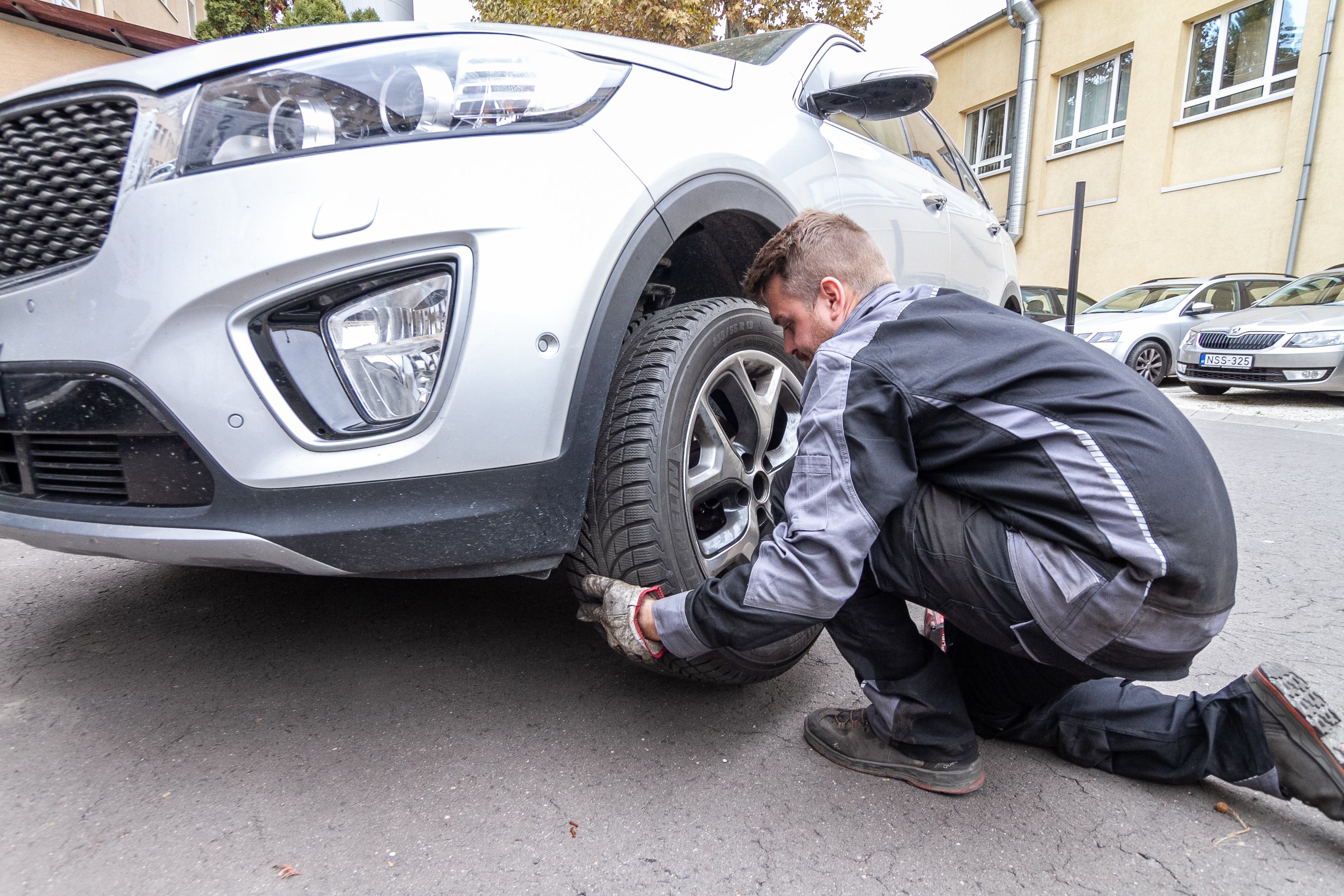
As the frost of winter recedes and the first signs of spring emerge, motorists worldwide face a recurring seasonal dilemma: when is the precise moment to swap winter tires for summer sets? While it may seem like a simple matter of the calendar, the transition is actually a critical intersection of material science, road safety, and economic efficiency.
For many drivers, the temptation to delay the change is high, especially during unpredictable “shoulder seasons” where a sunny afternoon can be followed by an overnight freeze. However, continuing to drive on winter tires once temperatures consistently rise does more than just accelerate wear; it fundamentally alters the vehicle’s handling and braking capabilities, potentially compromising safety in emergency situations.
Understanding the transition requires looking beyond the weather forecast and into the chemistry of the rubber compounds used in tire manufacturing. As a financial analyst and editor, I view this not merely as a maintenance task, but as a risk management strategy. The cost of a premature or delayed tire change is negligible compared to the potential economic and physical costs of a road accident caused by improper grip.
The goal of this guide is to provide a global perspective on the seasonal tire transition, blending technical requirements with practical advice to ensure that your vehicle remains an asset rather than a liability on the road.
The Science of Rubber: Why Temperature Dictates the Switch
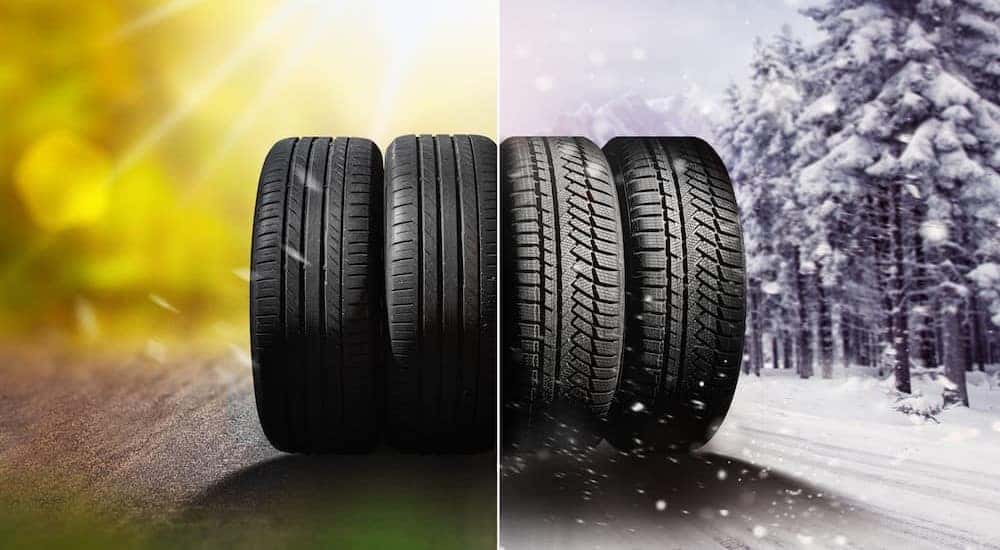
The fundamental difference between winter and summer tires lies in the chemical composition of the tread rubber. Winter tires are engineered with a higher silica content and a softer compound designed to remain pliable at freezing temperatures. This flexibility allows the tire to “grip” the road surface, including ice and snow, by maintaining a larger contact patch.
However, this softness becomes a liability when the mercury rises. When road temperatures increase, the soft compound of a winter tire begins to overheat and soften excessively. This leads to a phenomenon known as “tread squirm,” where the rubber blocks deform under the pressure of driving, reducing the tire’s stability and precision. According to technical guidance from Pirelli, winter tires are specifically adapted for frigid conditions, but their inherent softness makes them less durable on the shimmering heat of summer asphalt.

Summer tires, conversely, are made from a harder rubber compound that provides stability and grip in warm conditions. They are designed to resist the softening effects of heat, ensuring that the tire maintains its shape and provides a responsive steering feel. When a driver uses summer tires in the winter, the rubber hardens—essentially becoming like plastic—which leads to a catastrophic loss of traction on cold or slippery surfaces.
The interaction between the rubber and the road is further influenced by the tread pattern. Winter tires feature deep grooves and thousands of tiny slits called “sipes,” which are designed to bite into snow and evacuate slush. On dry, warm roads, these sipes create instability and increase the rolling resistance, which negatively impacts the vehicle’s efficiency.
The ‘Seven-Degree Rule’: Identifying the Transition Point
While there is no universal date for changing tires due to varying global climates, the automotive industry generally adheres to a temperature-based threshold. The widely accepted benchmark is 7 degrees Celsius (approximately 45 degrees Fahrenheit).
The “Seven-Degree Rule” suggests that once the ambient temperature consistently stays above 7°C, winter tires lose their competitive advantage and begin to degrade rapidly. At this temperature, the rubber compound of a winter tire is no longer providing the specialized grip required for cold weather and is instead becoming overly soft for the road surface. For drivers in the Northern Hemisphere, this typically occurs between March and May, depending on the latitude and local weather patterns.
This proves important to distinguish between the air temperature and the road surface temperature. Roads often retain heat longer than the air or, conversely, remain frozen long after the air has warmed. Motorists should monitor long-term weather trends rather than a single day’s high temperature. If the forecast indicates that nighttime lows will no longer drop near or below freezing, the transition to summer tires becomes a priority.
For those living in regions with extreme volatility, such as the central Midwest of the United States or parts of Central Europe, the risk of a “surprise spring blizzard” is real. In these instances, it is often safer to leave winter tires on for a few extra weeks than to switch too early and find oneself stranded in a sudden snowfall. However, once the risk of snow has passed, the safety trade-off shifts in favor of summer tires.
The Economic and Safety Risks of Delaying the Change
From a business and economic perspective, failing to change tires at the appropriate time is an inefficient use of resources. The most immediate impact is the accelerated wear of the tire tread. Because winter rubber is softer, it wears down significantly faster on warm pavement. A driver who keeps winter tires on through a hot June may find that they have depleted a substantial percentage of the tire’s usable life, forcing an expensive premature replacement.
Beyond the cost of the rubber, there is the issue of fuel economy. The high rolling resistance of winter treads—designed for grip in snow—means the engine must work harder to move the vehicle forward on dry pavement. This results in increased fuel consumption and higher carbon emissions, adding an invisible cost to every kilometer driven.
The most critical risk, however, is the increase in braking distance. In warm conditions, the soft compound of a winter tire can “smear” across the road surface during hard braking, increasing the distance required to come to a complete stop. In an emergency braking scenario, a few extra meters can be the difference between a near-miss and a serious collision.
the handling characteristics of the vehicle are compromised. Summer tires provide a stiffer sidewall and a more stable contact patch, which is essential for high-speed cornering and stability during highway travel. Winter tires, by contrast, can feel “mushy” or unresponsive when driven at speed in the heat, reducing the driver’s ability to perform precise evasive maneuvers.
Practical Maintenance and Storage Strategies
To maximize the lifespan of both sets of tires, proper maintenance during the transition is essential. The process of switching tires is the ideal time to conduct a comprehensive health check of the vehicle’s rubber.
First, check the tread depth. Most safety organizations recommend replacing tires when the tread depth falls below 3mm for summer tires and 4mm for winter tires. Using a simple tread depth gauge or the “coin test” can help determine if a set is still safe for another season. If the tread is too low, the tire cannot effectively evacuate water, leading to aquaplaning—a dangerous situation where the tire loses contact with the road during rain.
Second, verify tire pressure. Pressure fluctuates with temperature; as the air warms, the pressure inside the tire increases. Ensure that your summer tires are inflated to the manufacturer’s recommended PSI (pounds per square inch), which can typically be found on a sticker inside the driver’s side door jamb or in the owner’s manual.
Finally, storage is where many motorists fail. Tires stored incorrectly can deform or degrade. To preserve the integrity of the rubber, follow these guidelines:
- Cool and Dry: Store tires in a cool, dry place away from direct sunlight, which can cause the rubber to crack (dry rot).
- Cleanliness: Thoroughly wash and dry tires before storage to remove road salt and grime that can corrode the rims.
- Positioning: If the tires are mounted on rims, stack them horizontally or hang them from a dedicated tire rack. If they are not on rims, they should be stood upright and rotated occasionally to prevent flat spots.
Comparing Seasonal Tire Options
For drivers who find the biannual swap inconvenient, “all-season” tires are often marketed as a solution. However, it is important to understand that an all-season tire is a compromise. It is designed to be “quality enough” for most conditions but is rarely “excellent” for any specific one.
In regions with severe winters (heavy snow and ice), all-season tires cannot replace the safety of a dedicated winter tire. Similarly, in high-performance driving or extremely hot climates, they cannot match the grip and stability of a dedicated summer tire. For the majority of global drivers, the investment in two dedicated sets of tires provides the highest level of safety and the longest overall equipment lifespan.
The decision to switch should ultimately be driven by a combination of local weather trends and the specific requirements of your vehicle. By respecting the chemistry of the rubber and the physics of the road, drivers can ensure their vehicles operate at peak efficiency and safety.
The next critical checkpoint for most motorists will be the mid-summer pressure check, as extreme heat can cause tire pressure to spike, affecting handling and wear. We encourage readers to share their regional experiences with tire transitions in the comments below and to share this guide with fellow drivers to promote road safety.
Keep reading