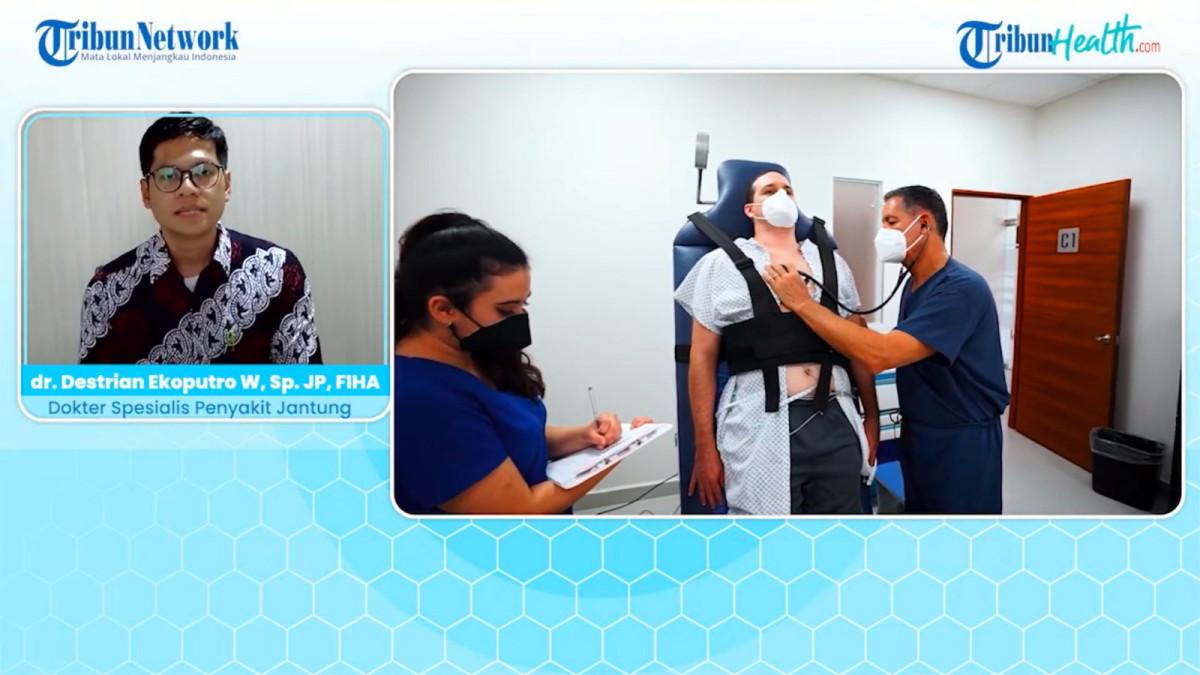
Young adults under the age of 40 often assume they are completely immune to coronary heart disease, but routine medical screenings frequently reveal elevated blood pressure and dangerous cholesterol levels in unsuspecting patients. According to clinical observations from medical practitioners, individuals visiting clinics for routine job application screenings or administrative check-ups are frequently surprised to learn their health metrics point toward severe cardiovascular risks long before they experience physical symptoms.
This widespread misperception leaves a significant demographic vulnerable to silent vascular damage. While youthful vitality often masks underlying physiological strain, modern cardiology guidelines emphasize that plaque buildup inside the coronary arteries is a gradual process that can begin well before midlife, making proactive awareness essential for long-term survival and vitality.
Silent Cardiovascular Risks in Younger Demographics
Medical evaluations conducted during routine employment assessments routinely uncover startling numbers among patients in their twenties and thirties. Doctors report examining job applicants who discover their total cholesterol has climbed to 250 or 300 milligrams per deciliter, or whose blood pressure registers at 150 millimeters of mercury without any prior warning signs. These individuals typically feel completely healthy, illustrating why relying solely on physical wellbeing can be dangerously misleading.
Because arterial narrowing develops progressively over years, failing to monitor blood chemistry and vascular resistance during early adulthood allows risk factors to compound unchecked.
The Critical Role of Family Medical History
Genetics plays a powerful role in determining an individual’s susceptibility to premature heart disease. Physicians urge people to look closely at their parents’ medical histories when evaluating their own long-term health risks. Individuals whose parents suffered from conditions such as type 2 diabetes, chronic hypertension, or early cardiovascular events face a markedly higher baseline risk.
For these higher-risk groups, medical experts recommend scheduling comprehensive medical check-ups well before turning 40. Catching metabolic imbalances or lipid abnormalities early allows patients and physicians to implement dietary modifications, exercise regimens, or pharmacological interventions before permanent arterial damage occurs.
Structured Screening Guidelines Across the Lifespan
Establishing a consistent routine for clinical evaluations is one of the most effective defenses against sudden cardiac events. Medical advisory bodies recommend structured health surveillance depending on age brackets and inherited risk profiles:
- Under 40 with Family Risk: Individuals with parental histories of diabetes, high blood pressure, or heart disease should undergo proactive baseline blood panels and cardiovascular assessments before reaching their fourth decade.
- Ages 40 and Older: Medical guidelines advise that adults over 40 complete comprehensive health screenings at least once every year. These annual visits must incorporate thorough blood tests, lipid profiling, and blood pressure monitoring.
- Non-Modifiable Risk Factors: Age remains an immutable risk factor. As the human body ages, natural structural changes cause arterial walls to stiffen and coronary blockages to thicken progressively, underscoring why regular monitoring becomes non-negotiable as time goes on.
As medical science continues to emphasize preventative care over reactive treatment, understanding individual risk profiles remains paramount.
We welcome your thoughts and perspectives on this topic. Please share your comments below, or join the conversation by sharing this article with your professional and personal networks.
Keep reading
- Vitamin D and Calcium Do Not Prevent Falls and Fractures in Healthy Seniors, Study Finds
- Richette Pyusollido vs. Melio: Damage Reduction 5% or Stat 15?
- Understanding High Cholesterol: Risks, Prevention, and Heart Health (newsdirectory3.com)
- Smoking & Heart Disease: The Hidden Cardiovascular Risks Smokers Ignore (archyworldys.com)