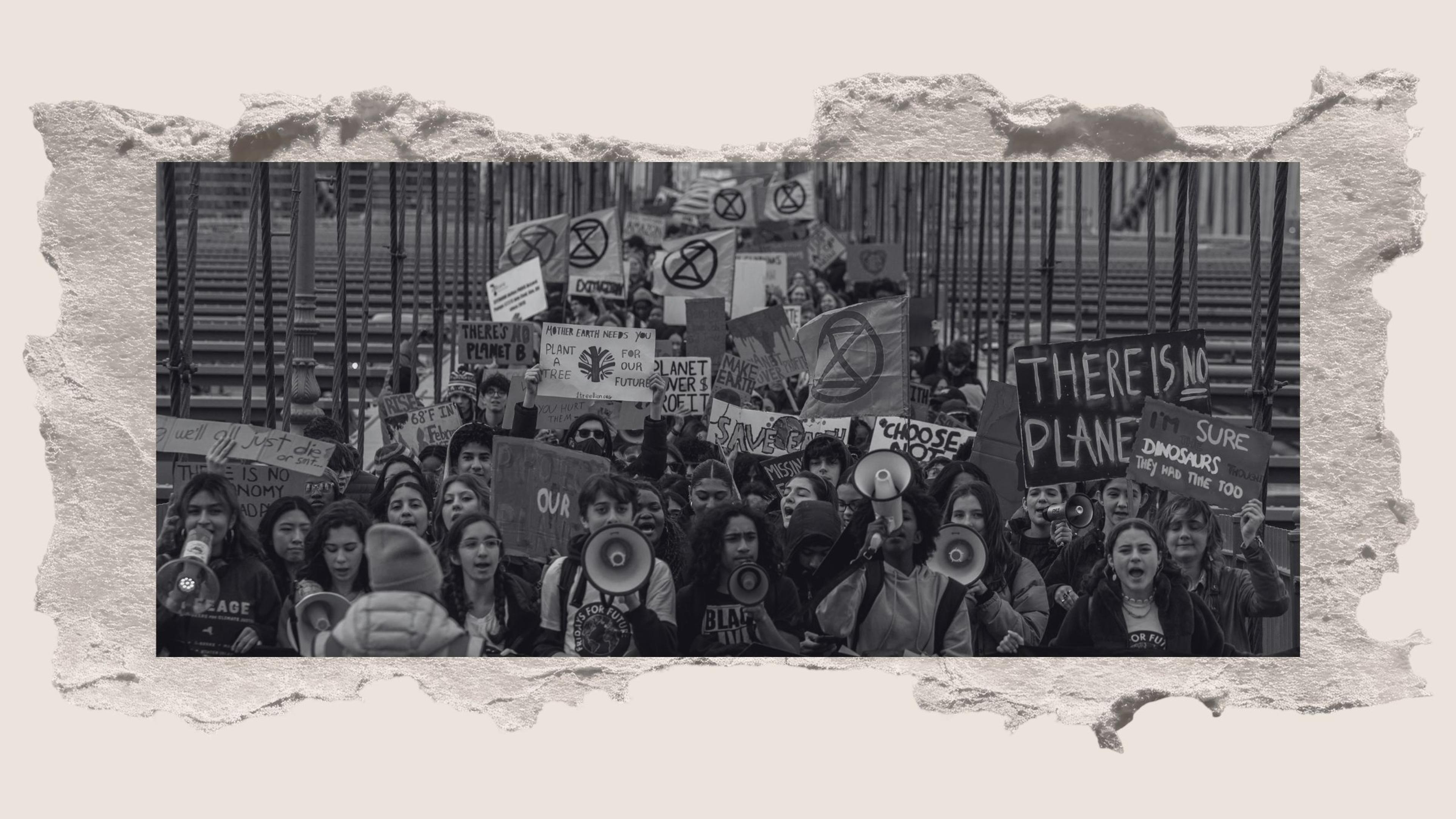
As the world grapples with accelerating climate impacts, a recent generation of activists is emerging as a critical force for change. From courtrooms to city streets, young people are demanding accountability and pushing for policies that align with scientific consensus on limiting global warming. Their efforts come at a time when extreme weather events are becoming more frequent and severe, underscoring the urgency of the crisis.
Recent developments highlight both the growing threats and the rising momentum of youth-led climate action. In early 2024, the U.S. Environmental Protection Agency finalized strengthened regulations on methane emissions from oil and gas operations, a move welcomed by environmental groups as a step toward meeting national climate goals. At the same time, youth plaintiffs in the landmark Juliana v. United States case continued their legal fight, arguing that federal policies promoting fossil fuel development violate their constitutional rights to a stable climate system.
Globally, young activists have been instrumental in shaping national and international climate discourse. Their advocacy has helped elevate issues such as climate justice, intergenerational equity, and the need for a just transition away from fossil fuels. As nations prepare updated nationally determined contributions under the Paris Agreement, the voices of young people are increasingly seen as essential to ensuring ambitious and equitable climate action.
The Urgency of Now: Climate Impacts Accelerate
The physical signs of a changing planet are undeniable. According to the National Oceanic and Atmospheric Administration, 2023 was the warmest year on record globally, with average temperatures 1.18°C above the 20th-century average. This warming is driving more intense heatwaves, heavier rainfall events, and rising sea levels that threaten coastal communities worldwide.
In the United States, the National Climate Assessment reports that the frequency of billion-dollar weather disasters has increased significantly over the past decade. From devastating wildfires in the West to catastrophic flooding in the Northeast and Gulf Coast, these events are inflicting substantial economic and human costs. The Intergovernmental Panel on Climate Change warns that without rapid and deep reductions in greenhouse gas emissions, such extremes will become even more common.
These realities are particularly resonant for younger generations, who face the prospect of living with the long-term consequences of today’s decisions. As one youth activist put it during a 2023 climate summit, “We are not just fighting for our future — we are fighting for our present.”
Youth Leading the Charge: From Protests to Policy
Young people have been at the forefront of climate activism for over a decade, beginning with school strikes inspired by Greta Thunberg’s solitary protest outside the Swedish parliament in 2018. What began as a solo act grew into a global movement, with millions of students participating in coordinated climate strikes across continents.
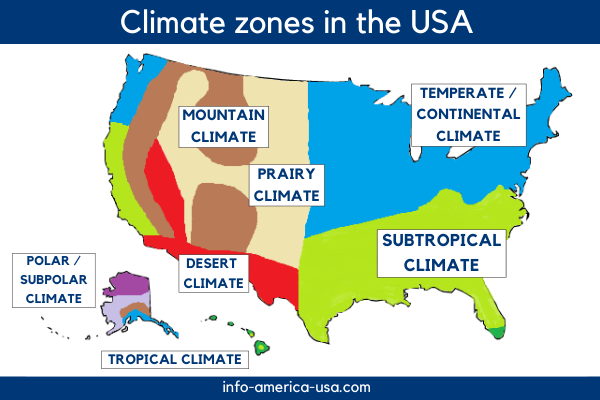
Beyond street protests, youth are increasingly turning to the courts to hold governments accountable. In the United States, cases like Held v. Montana — where young plaintiffs successfully argued that state policies promoting fossil fuels violated their constitutional right to a clean and healthful environment — have set important legal precedents. The Montana Supreme Court upheld the ruling in 2024, marking a significant victory for climate litigation.
Internationally, young people have influenced policy through advocacy at United Nations climate conferences. At COP28 in Dubai, youth delegates pushed for stronger language on fossil fuel phase-down and greater inclusion of indigenous knowledge in climate solutions. Their efforts contributed to the final agreement, which for the first time included explicit language on transitioning away from fossil fuels in energy systems.
Building Power: Organizations and Strategies
A growing infrastructure of youth-led organizations supports sustained climate advocacy. Groups such as Sunrise Movement in the United States have combined grassroots organizing with political engagement, helping to elect candidates who support ambitious climate action and advocating for policies like the Green New Deal.
Other organizations focus on legal innovation. Our Children’s Trust, which backs youth-led climate lawsuits across multiple countries, continues to expand its docket of cases arguing that governments have a fiduciary duty to protect the atmosphere as a public trust resource. In 2023, the organization celebrated a settlement in Hawaii where the state agreed to decarbonize its transportation system by 2045 in response to a lawsuit filed by young plaintiffs.
Education and narrative change are also central to youth climate strategy. Initiatives like the Climate Mental Health Network address the psychological toll of climate anxiety, while media projects led by young creators aim to reframe the climate story as one of agency and possibility rather than despair.
Challenges and the Road Ahead
Despite their growing influence, young climate activists face significant obstacles. Fossil fuel interests continue to wield substantial political influence, and in some regions, environmental defenders face harassment or legal retaliation. A 2023 report by Global Witness documented over 200 killings of land and environmental defenders worldwide, many of them indigenous activists opposing extractive projects.

Within the movement, debates continue over strategy and inclusivity. Some activists emphasize the need to center frontline communities — particularly those in the Global South and indigenous peoples — who contribute least to emissions but suffer most from climate impacts. Others stress the importance of building broad coalitions that include labor, faith groups, and businesses in the push for systemic change.
Looking ahead, the next major opportunity for global climate action comes with the 2025 United Nations Climate Change Conference (COP30) in Belém, Brazil. Youth organizations are already mobilizing to ensure that the voices of young people and marginalized communities are central to the negotiations, particularly as countries prepare to submit updated emissions reduction targets.
As the planet warms and the window for effective action narrows, the role of young people in shaping climate policy remains vital. Their persistence, creativity, and moral clarity offer not just hope, but a tangible pathway toward a more sustainable and just future.
For those looking to stay informed or get involved, official resources include the United Nations Framework Convention on Climate Change website for updates on international negotiations, and the U.S. Climate Resilience Toolkit for information on domestic adaptation efforts. Many youth-led organizations also provide toolkits and guides for starting local climate initiatives.
What role will you play in shaping the climate future? Share your thoughts in the comments below, and help spread the conversation by sharing this article with others who care about the planet’s future.
Keep reading
- Exploring the Islands of the Loire River: Nature and Imagination
- Trump Willing to Drop Iran Nuclear Issue to End Conflict and Open Strait of Hormuz
- Screen Time, Sleep and Mental Health: Family Rules That Change Daily Life (world-today-news.com)
- Reality Star Completes Three-Year Probation After 2023 Arrest (newsdirectory3.com)