
Managing high blood pressure, or hypertension, is a cornerstone of modern preventive cardiology. For millions of patients worldwide, daily medication is a non-negotiable part of maintaining cardiovascular health and reducing the risk of stroke, heart attack, and kidney disease. As a physician, I frequently discuss the importance of adherence to these treatments with my patients in Berlin and beyond. A common concern that arises during these consultations is the potential for side effects. Understanding how different antihypertensive classes compare is essential for both patients and clinicians to ensure long-term treatment success.
Recent analytical efforts have sought to bring greater clarity to the comparative efficacy and side-effect profiles of these essential medications. By synthesizing data from large-scale clinical trials, researchers are providing a clearer picture of how various drug classes—such as ACE inhibitors, calcium channel blockers, and diuretics—affect patients over time. This comparative approach is vital, as the choice of therapy is often a balance between blood pressure control and the patient’s quality of life.
High blood pressure remains a leading risk factor for global mortality, according to the World Health Organization. Because hypertension is often asymptomatic, patients may only become aware of the condition after significant cardiovascular damage has occurred. The selection of an appropriate medication regimen is a critical clinical decision, influenced by comorbidities, age, and individual patient tolerance to specific therapeutic agents.
Understanding Antihypertensive Medication Classes
Antihypertensive drugs are categorized based on their mechanisms of action. Each class interacts with the body’s complex systems for regulating blood pressure, including the renin-angiotensin-aldosterone system (RAAS), the sympathetic nervous system, and the physical dilation of blood vessels. Understanding these mechanisms is the first step in recognizing why different patients may experience varied side effects.
The most commonly prescribed classes include:
- ACE Inhibitors (Angiotensin-Converting Enzyme Inhibitors): These drugs prevent the body from producing angiotensin II, a substance that narrows blood vessels. They are frequently used as a first-line treatment, though some patients report a persistent dry cough as a side effect.
- Calcium Channel Blockers (CCBs): By preventing calcium from entering the muscle cells of the heart and blood vessels, these medications allow vessels to relax and open. Common side effects may include peripheral edema, or swelling in the lower extremities, as noted by the American Heart Association.
- Diuretics: Often called “water pills,” these medications help the kidneys remove excess sodium and water from the body, which can help lower blood pressure.
- Beta-Blockers: These reduce the heart’s workload and lower blood pressure by blocking the effects of epinephrine.
The Role of Clinical Trials in Patient Care
The strength of modern medical practice relies on evidence-based medicine, derived from thousands of clinical trials. These studies are designed to determine not only if a drug works, but how it performs in real-world scenarios. When we analyze the results of hundreds of trials, You can identify patterns in how different patient populations respond to various treatments. This is not about finding a single “best” medication, but rather identifying the right medication for the individual patient.
Clinical trials are strictly regulated to ensure patient safety and data integrity. In the European Union, the European Medicines Agency (EMA) oversees the authorization and monitoring of clinical trials to ensure they meet rigorous ethical and scientific standards. For patients, these trials represent the gold standard for verifying that a drug is both safe and effective before it reaches the pharmacy shelf.
It is important to remember that individual responses to medication can vary significantly. Genetics, diet, existing health conditions, and lifestyle factors all play a role in how a drug is metabolized. A treatment plan that works perfectly for one patient may require adjustment for another. This is why regular follow-up with a primary care physician or cardiologist is non-negotiable.
Navigating Side Effects and Adherence
The primary reason for non-adherence to antihypertensive therapy is often the experience of side effects. If a patient feels unwell, they are less likely to continue their daily regimen. However, stopping blood pressure medication abruptly can lead to a dangerous “rebound” effect, causing blood pressure to spike rapidly. If you are experiencing side effects, the most important step is to contact your healthcare provider immediately rather than discontinuing the medication on your own.
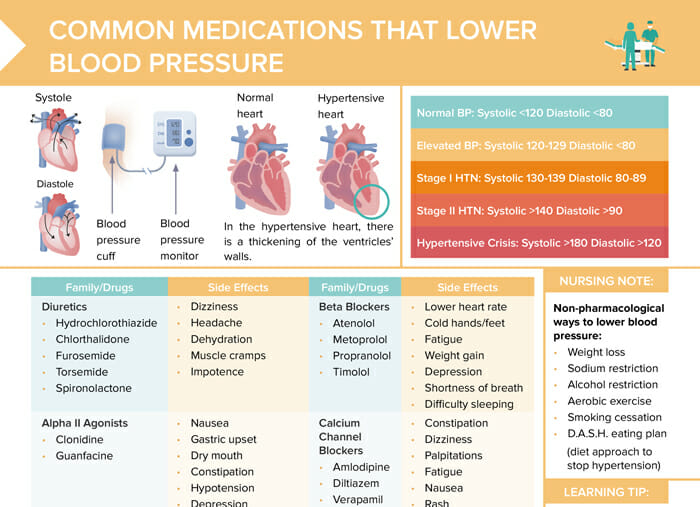
Modern clinical practice emphasizes shared decision-making. If a patient experiences side effects such as fatigue, dizziness, or muscle aches, doctors have a wide array of alternative medications to consider. The goal is to find a regimen that achieves the target blood pressure readings while minimizing the impact on the patient’s daily life.
For those seeking reliable information, I always recommend consulting official resources rather than relying on anecdotal evidence. Organizations like the European Society of Cardiology provide extensive patient-facing materials that explain the nuances of hypertension management and the importance of adhering to prescribed therapy. Staying informed is a powerful tool in taking control of your cardiovascular health.
Next Steps for Patients
If you are currently managing hypertension, the next step is to ensure you have a clear understanding of your current treatment plan and any potential side effects you should monitor. It is recommended to keep a log of your blood pressure readings at home, as these provide your doctor with invaluable data for adjusting your treatment. Be prepared to discuss any symptoms you have noticed at your next scheduled appointment.
As we continue to see advancements in cardiology, the future of hypertension treatment looks promising, with more personalized approaches on the horizon. If you have found this overview helpful, please consider sharing it with others who may be navigating their own health journey. We invite you to leave your comments or questions below; our editorial team reads every submission to better understand the topics that matter most to our readers.
Related reading