
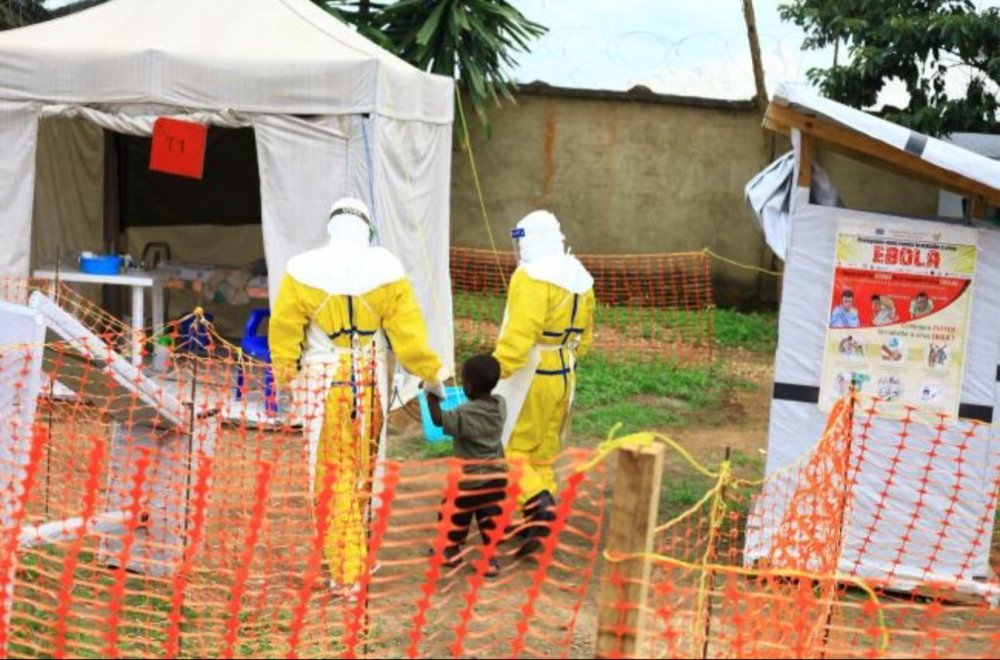
WHO Declares International Health Emergency Amid Ebola Outbreak in DRC and Uganda
The World Health Organization (WHO) has declared a Public Health Emergency of International Concern (PHEIC) following a significant surge in Ebola cases across the Democratic Republic of the Congo (DRC) and Uganda. This emergency declaration follows reports of an escalating outbreak involving a highly lethal variant of the virus, raising urgent concerns regarding regional containment and the availability of medical countermeasures.
Current reports indicate a grim toll in the affected regions, with 88 deaths reported in the DRC and at least one death recorded in Uganda. The situation is compounded by the nature of the active strain; health officials have noted that this specific variant is highly lethal and, critically, lacks a dedicated vaccine or specific targeted treatment.
A Highly Lethal Variant: The Medical Challenge
The primary driver behind the WHO’s emergency declaration is the emergence of a strain that appears to evade existing medical protocols. While the medical community has made significant strides in managing certain species of the virus, this current outbreak presents a specialized threat. The lack of a specific vaccine for this variant means that healthcare providers must rely heavily on intensive supportive care to improve patient survival rates.

In medical terms, the absence of a specific therapeutic means that clinical management focuses on rehydration and the treatment of specific symptoms to mitigate the effects of the virus. For a disease known for its rapid progression and high mortality, the absence of preventative immunization for this specific strain significantly increases the risk of wider transmission if containment measures are not strictly enforced.
Understanding Ebola: Transmission and Symptoms
To understand the gravity of this emergency, it is essential to recognize the biological nature of the pathogen. Ebola disease is caused by viruses belonging to the Orthoebolavirus genus. These are zoonotic viruses, meaning they can spread from animals to humans, and once an outbreak occurs, they spread through direct contact with the blood or body fluids of an infected person or contaminated objects.
The clinical progression of the disease is often categorized into “dry” and “wet” symptoms. Early in the course of illness, patients may experience “dry” symptoms, which include:

- Fever
- Aches and muscle pain
- Headaches
- Fatigue
- Sore throat
As the infection progresses and the patient becomes more severely ill, the disease typically transitions into “wet” symptoms. This stage is significantly more dangerous and can include vomiting, diarrhea, and unexplained bleeding, both internally and externally. The disease can also lead to hepatic and renal dysfunction, often resulting in death due to shock from fluid loss.
The mortality rate for Ebola is notoriously high, historically ranging from 25% to 90%, with an average case fatality rate of approximately 50%. The severity of the outcome is often dictated by the specific viral species involved and the speed at which intensive supportive care is administered.
Comparison of Ebola Virus Species and Available Interventions
A critical point of confusion in public health messaging is the distinction between different species of the virus. Not all Ebola-related diseases are treated with the same tools. While progress has been made with the Ebola virus species, other species that cause large outbreaks remain much harder to combat.

| Virus Species | Disease Name | Vaccine & Treatment Status |
|---|---|---|
| Ebola virus (EBOV) | Ebola virus disease (EVD) | Licensed vaccines and therapeutics are available. |
| Sudan virus (SUDV) | Sudan virus disease (SVD) | No approved vaccine or treatment; candidates are under development. |
| Bundibugyo virus (BDBV) | Bundibugyo virus disease (BVD) | No approved vaccine or treatment; candidates are under development. |
The Critical Importance of Early Intervention
In the absence of a specific vaccine for the current variant, the focus of public health efforts must shift toward intensive supportive care and rapid infection control. Early intensive care—specifically focusing on aggressive rehydration and the management of symptoms—has been proven to improve survival rates significantly.
Outbreak control relies on a comprehensive package of interventions, including:
- Disease Surveillance and Contact Tracing: Identifying infected individuals and monitoring those who have been exposed to prevent further transmission.
- Infection Prevention and Control: Implementing strict protocols in healthcare settings to protect medical staff and other patients.
- Safe and Dignified Burials: Ensuring that deceased individuals are handled according to strict biosafety standards to prevent post-mortem transmission.
- Social Mobilization: Working with local communities to ensure public health guidance is understood and followed.
As the situation in the DRC and Uganda continues to evolve, the international community is looking toward the WHO and regional health ministries for updated data on transmission rates and the deployment of emergency medical resources.
Next Update: We are monitoring for the next official briefing from the World Health Organization regarding the containment strategies and updated casualty figures from the DRC and Uganda health authorities.
Please share this article to ensure your network is informed about these critical public health developments. We welcome your comments and insights below.