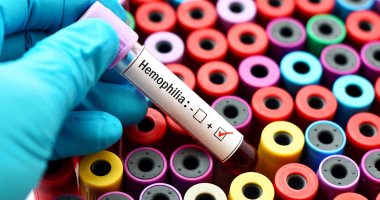
As we navigate the complexities of modern medicine, the global approach to managing rare, chronic conditions remains a critical benchmark for healthcare equity. Hemophilia, a group of inherited bleeding disorders that prevent blood from clotting properly, requires consistent, specialized care that remains out of reach for many patients in resource-limited settings. Recently, there has been a renewed international focus on addressing these disparities, with various global health stakeholders emphasizing the necessity of sustained support for the hemophilia community.
From my perspective as a physician, the challenge is not merely the availability of factor replacement therapies, but the systemic infrastructure required to diagnose and treat these patients effectively. Ensuring that individuals living with hemophilia have access to comprehensive care—including prophylactic treatment and specialized hematology services—is a primary objective for global health organizations committed to improving patient outcomes worldwide. The current discourse centers on fostering collaborative models that bridge the gap between high-income medical capabilities and the urgent needs of underserved populations.
Understanding the Global Burden of Hemophilia
Hemophilia A and B are characterized by a deficiency in clotting factors VIII and IX, respectively. Without these proteins, even minor injuries can lead to significant internal bleeding, particularly into joints and muscles, which can cause long-term disability if left untreated. According to the World Federation of Hemophilia (WFH), the global landscape of care is deeply fractured, with a significant percentage of the world’s hemophilia population living in countries where access to essential medicines is severely restricted or nonexistent.
The push for global support is fundamentally about standardizing care protocols. When international bodies and member states align their efforts, the goal is to move beyond temporary humanitarian donations toward sustainable healthcare systems. This involves training medical professionals in specialized hematology, establishing national hemophilia registries and integrating these services into broader public health frameworks. The World Health Organization (WHO) has long highlighted that strengthening health systems is the only viable path to ensuring that patients with rare diseases are not left behind in the pursuit of universal health coverage.
The Role of International Cooperation
International support for hemophilia care often manifests through multi-stakeholder partnerships. These collaborations frequently involve non-governmental organizations, pharmaceutical manufacturers, and national health ministries working in concert to lower the cost of treatments and improve diagnostic capabilities. For many developing nations, the introduction of centralized procurement strategies has proven to be a vital mechanism for ensuring a steady supply of clotting factor concentrates.
the focus on “support” extends to social and psychological aspects. Living with a lifelong bleeding disorder necessitates robust support networks, patient education, and advocacy. By fostering an environment where patients and their families are empowered through information and community, healthcare systems can significantly improve the quality of life for those affected. As noted in various global health policy forums, the empowerment of patient advocacy groups is a cornerstone of effective disease management in the 21st century.
Key Takeaways for Global Health Equity
- Access to Treatment: The primary obstacle remains the high cost and limited availability of clotting factor concentrates in low- and middle-income countries.
- Diagnostic Infrastructure: Early and accurate diagnosis is essential to preventing the long-term joint damage associated with delayed treatment.
- Systemic Integration: Long-term success depends on integrating hemophilia care into national healthcare systems rather than relying solely on sporadic charitable donations.
- Collaborative Advocacy: Patient-led organizations play a crucial role in shaping health policy and ensuring that the needs of the hemophilia community remain on the international agenda.
Looking Ahead: The Path Toward Sustainable Care
The commitment to supporting hemophilia patients is an ongoing process that requires constant vigilance and political will. As we look toward future international health summits, the focus must remain on measurable outcomes—such as the number of patients receiving regular prophylaxis and the reduction of treatment-related complications. The WFH Humanitarian Aid Program continues to serve as an example of how targeted interventions can provide life-saving support to those in critical need while longer-term systemic changes are implemented.
As a medical professional, I believe the most significant progress will occur when individual countries take ownership of their domestic hemophilia programs, supported by global knowledge exchange and technical assistance. The path forward is challenging, but the collective commitment to human health demands that we continue to advocate for these resources.
How do you view the role of international organizations in shaping local health policy? I invite you to share your thoughts and experiences in the comments section below. For those interested in tracking the progress of global health initiatives, official updates are regularly published through the WHO Newsroom. Let us continue to engage in this vital conversation about the future of global patient care.
Related reading